Standing on the rim of the Grand Canyon, I realized that the true beauty of the USA cannot be captured in any photograph. Over the past few years—while traveling everywhere from Las Vegas to the tranquil mountains—I have made many of those “rookie” mistakes that new travelers often make, such as arriving at the wrong time or blowing my budget.
To save you from those pitfalls, I have put together this guide. It features my 15 favorite best places to visit in USA, along with insider tips that will save you both time and money. After reading this article, you will be able to plan your perfect American trip without any confusion—that is my promise.
Table of Contents
Top 15 Best places to Visit in USA
1. New York City
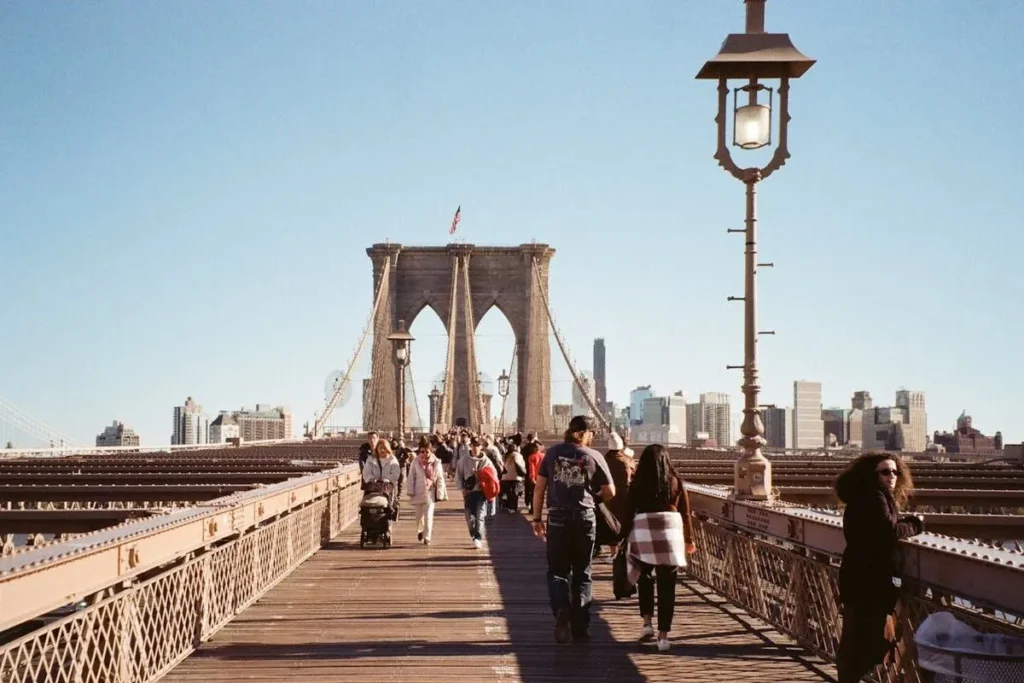
If you’re visiting the USA for the first time and you skip New York City, I will question every life decision you’ve made.
I know that sounds dramatic. But NYC is unlike anything else on the planet. It’s loud, it’s overwhelming, it smells weird in summer, and I have never — not once — left feeling anything other than electrified.
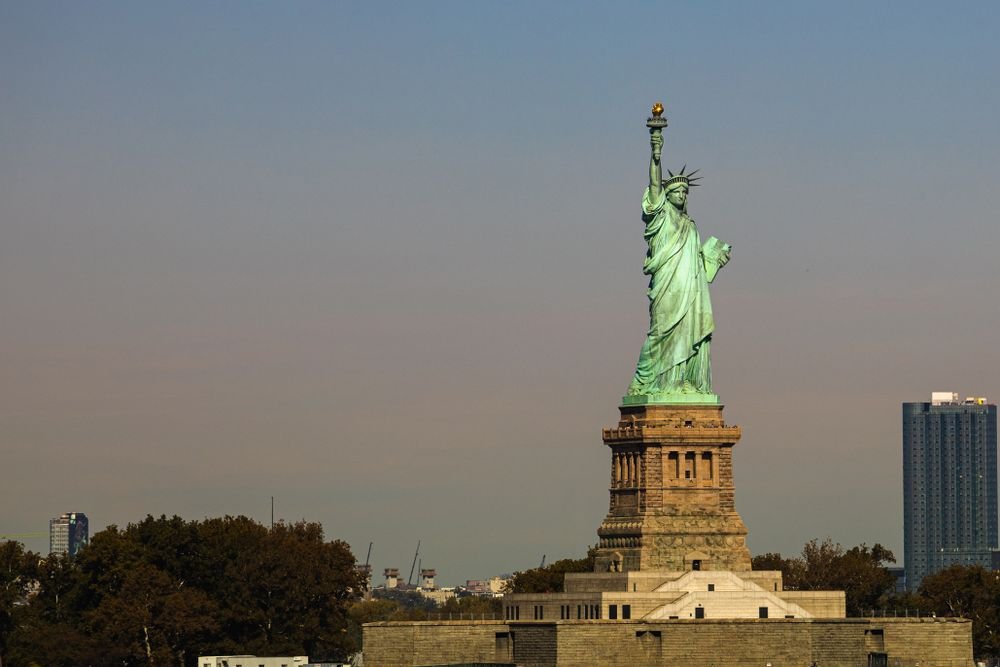
Why first-timers love it: New York delivers the quintessential American experience within walking distance. You can grab an iconic cheap pizza slice for around $1.50–$2.00, watch a Broadway show at night, wake up and jog through Central Park, and still catch the Statue of Liberty before lunch. The variety is genuinely staggering.
Top things to do:
- Walk across the Brooklyn Bridge at sunrise (do it early — the crowds after 9am are relentless).
- Visit the 9/11 Memorial & Museum — it’s emotional and essential.
- Take the free Staten Island Ferry for Manhattan skyline views at no cost
- Explore the High Line — an elevated park built on old railway tracks in Chelsea.
- Spend at least two hours in the Metropolitan Museum of Art (budget a full day if you love art).
- Hit Times Square once, at night, just to say you did — then avoid it forever after.
Best neighborhoods to stay in: Midtown for convenience, Brooklyn for vibe, Lower East Side for budget options.
Budget Estimate:
- Budget: $150–170/night (hostel or budget hotel).
- Mid-range: $250–400/night.
- Meals: $15–25 for casual dining, $50–100+ for a proper restaurant dinner.
How many days: 4–5 days minimum. New York will easily absorb a week.
Best time to visit: September through November. The crowds thin, the weather is perfect (crisp and golden), and the city is at its most photogenic. Avoid July–August unless you love sweating.
Bonus tip: Use OMNY (the tap-to-pay system) for all your travels. You don’t even need a physical card; just tap your phone or smartwatch at the turnstile. The NYC subway is your best friend — learn 3 or 4 lines and you can get almost anywhere for $3.00
2. Grand Canyon, Arizona
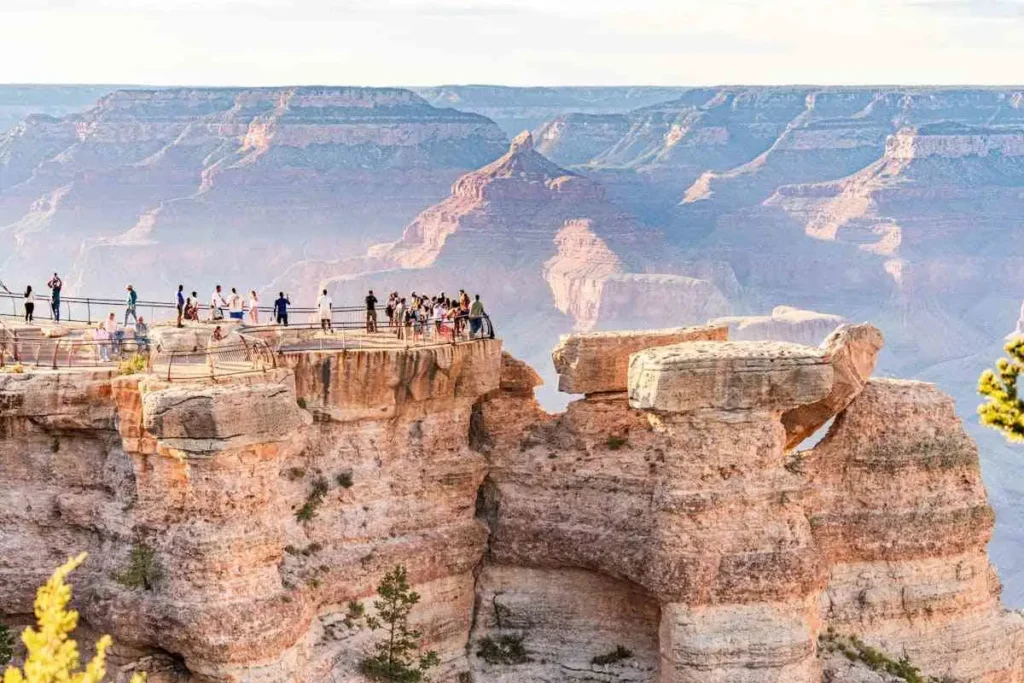
The Grand Canyon is one of those places that earns every superlative used to describe it. Photographs come close, but standing at the rim in person — looking across 277 miles of carved red rock, over a mile straight down — is a different experience entirely.
For anyone asking about the best places to visit in USA for first time, the Grand Canyon is non-negotiable. It is one of the Seven Natural Wonders of the World, and it happens to be located within an easy drive of both Las Vegas and Phoenix.
Top things to do at the Grand Canyon:
- Walk the South Rim Trail — a 13-mile paved path with multiple incredible viewpoints
- Hike the Bright Angel Trail at least a mile or two down to feel the real scale of the canyon
- Catch sunrise from Mather Point — worth setting an alarm for
- Drive Desert View Drive, a 25-mile scenic road along the eastern rim
- Consider a helicopter tour if your budget allows — the aerial perspective is extraordinary
Getting there: Fly into Las Vegas (4.5 hours by car) or Phoenix (3.5 hours). You can also take the Grand Canyon Railway from Williams, Arizona
Estimated budget:
- Park entrance: $35 per vehicle (private car) or $20 per person if entering by foot, bicycle, or shuttle.
- Lodging nearby in Tusayan, AZ: $150–350/night
- Camping at Mather Campground inside the park: $18–36/night (reservations required months in advance)
Best time to go: March through May and September through November. Summer brings intense heat in the inner canyon — temperatures at the bottom can exceed 110°F, which makes unprepared hiking genuinely dangerous. Winter is quieter and surprisingly beautiful with occasional snow on the rim.
Warning: Always carry a refillable water bottle. Dehydration is the biggest risk here, especially during summer hikes.
Bonus tip: Download the NPS App and save the Grand Canyon map for offline use before you arrive, as cell service is very spotty inside the park
3. Las Vegas, Nevada
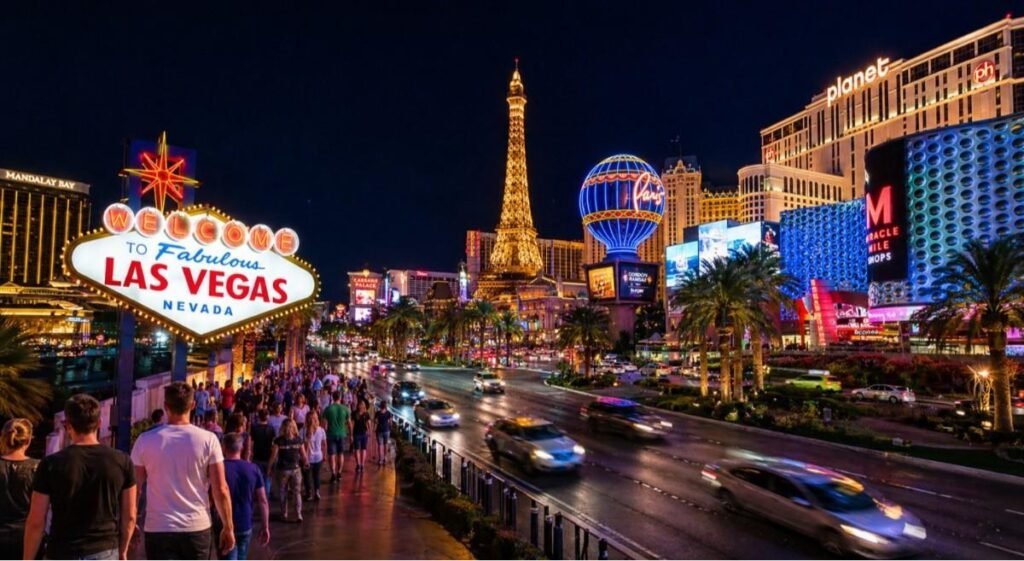
Las Vegas might just be the most uniquely American destination on this list. There is nowhere else quite like it — and for anyone looking for the best places to visit in USA for first time, it consistently earns its spot near the top.
The city has evolved well beyond its gambling reputation. Today, Las Vegas is home to some of the country’s best restaurants, world-class entertainment, and day trips to some of the most dramatic natural scenery in the Southwest.
Top things to do in Las Vegas:
- Walk the Strip from end to end at night — the scale and energy are unlike anything else.
- Watch the Bellagio Fountains (free, runs every 30 minutes in the evenings).
- Take a day trip to the Grand Canyon South Rim — about 4.5 hours by car and one of the most impressive natural sights in the world.
- Visit Fremont Street in Old Vegas for a very different atmosphere from the Strip
- Catch a live show — residency concerts, Cirque du Soleil, and comedy acts run year round.
- Experience The Sphere: Witness the world’s largest spherical structure—a mind-bending immersive theater with a 16K LED screen that has redefined the Vegas skyline.
- Visit the Neon Museum at Night: A glowing “boneyard” of iconic vintage Vegas signs that offers a perfect blend of history and stunning photography.
Estimated budget:
- Hotels on the Strip: $100–120/night on weeknights, $250–400/night on weekends.
- Meals: $20–35 for casual dining, $50–100 for a proper sit-down restaurant.
- Entertainment: $50–200 per person depending on the show.
2026 Updated information:
- Resort Fees Warning (Value): “When budgeting, keep in mind that the prices hotels display do not include the $40–$50 per night Resort Fee. This fee must be paid separately at the time of check-out.”
- The Deuce Bus (Practical Tip): “Uber and taxis on the Strip are very expensive. Use ‘The Deuce’ (a double-decker bus service), which runs 24/7 and is very affordable.”
- Hydration Alert (Expertise): “The heat in Vegas (100°F+) causes dehydration not only outdoors but also indoors due to the air conditioning. Carry water with you everywhere.”
Best time to go: Spring (March–May) and fall (September–November) offer the most comfortable temperatures. Summer in Las Vegas reaches extreme heat — well above 100°F — which makes outdoor activities difficult and potentially unsafe.
Important Tip: If you get tired of the crowds on the Strip, head to Red Rock Canyon (just 20 minutes away). In 2026, advance reservations are required for entry, so be sure to book ahead of time. Additionally, Fremont Street offers affordable food and free live music—options that will prove significantly cheaper than those on the Strip.
4. San Francisco, California
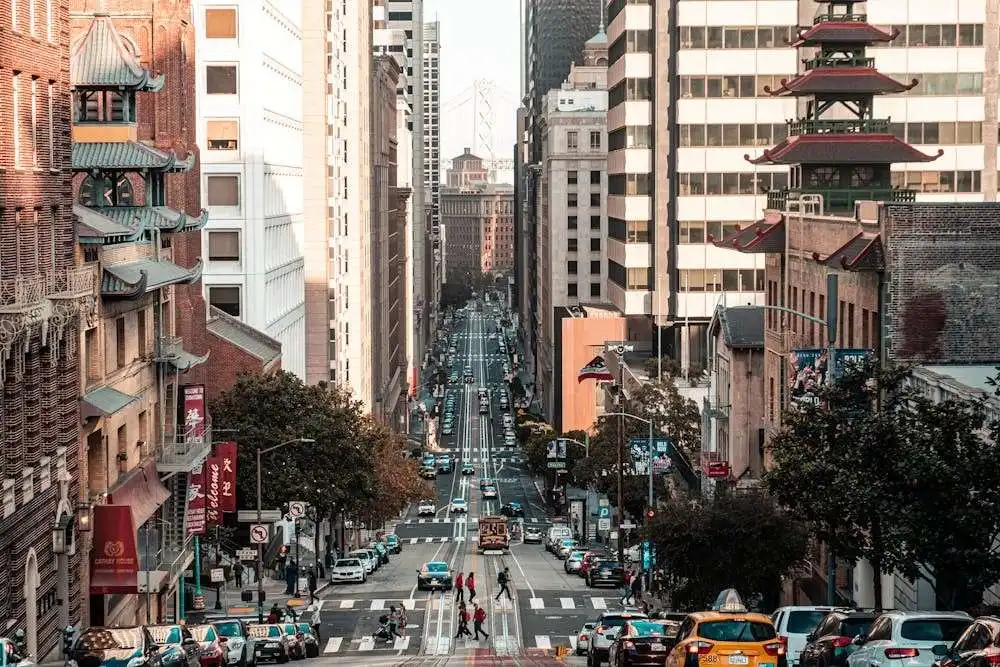
San Francisco is one of those cities that makes you feel smarter just by being there. It has a specific, slightly smug intellectual energy that I mean entirely as a compliment.
It’s also genuinely one of the most beautiful cities in the USA, with hills that roll dramatically into the bay, Victorian row houses painted in pastels, and fog that rolls through the Golden Gate like something out of a painting.
Top things to do:
- Walk or cycle across the Golden Gate Bridge (rent bikes at Fisherman’s Wharf).
- Visit Alcatraz Island — book tickets at least 1-2 months ahead, the audio tour is excellent.
- Explore the Ferry Building Marketplace on a Tuesday or Saturday (farmers market).
- Ride a cable car at least once, even just for a block or two.
- Take a day trip to Muir Woods — ancient redwood trees just 45 minutes from the city.
- Wander through the Mission District for murals, taquerias, and the best burritos of your life.
Budget estimate:
- Accommodation: $200–350/night (budget to mid-range).
- Meals: $20–35 casual, $60–120 for nicer restaurants.
- Getting around: BART, Muni, and walking — you don’t strictly need a car in the city.
Best time to visit: September and October — summer is genuinely cold and foggy. Mark Twain allegedly said “The coldest winter I ever spent was a summer in San Francisco.” That’s not entirely wrong.
First Time USA Visitors Pro Tips
- Clipper Card (Transport): “Download the Clipper Card app on your phone. It works for BART, Muni, and even Cable Cars. It’s much faster than buying paper tickets.”
- Safety Tip (Car Break-ins): “Never leave any bags or valuables visible inside your car, even for a minute. Smash-and-grabs are very common in tourist areas.
Pro tip: If you want to see the Golden Gate Bridge without the crowds, head to Marshall’s Beach or Battery Spencer for the best photo ops. Also, for Muir Woods, remember to book your parking or shuttle weeks in advance via their official website—they don’t allow walk-ins.
5. Chicago, Illinois
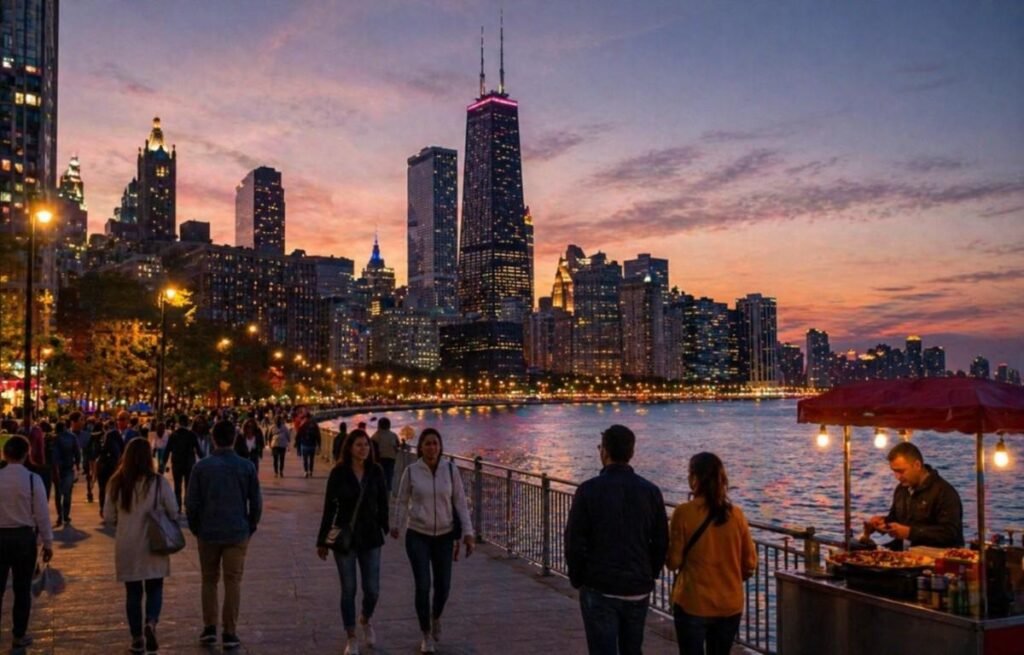
Chicago is one of those American cities that consistently surprises first-time visitors. Many international travelers overlook it in favor of the coasts — which means those who do visit often find it to be the highlight of their entire trip.
The architecture alone justifies including Chicago among the best places to visit in USA for first time travelers. Chicago essentially invented the modern skyscraper, and the city’s skyline reflects that history in spectacular fashion. Add world-class museums, a renowned food scene, and the lakefront, and Chicago becomes very hard to argue against.
Top things to do in Chicago:
- Take an Architecture Boat Tour on the Chicago River — one of the best ways to understand the city and genuinely one of the most informative and enjoyable tours available anywhere in the country.
- Visit Millennium Park and see Cloud Gate (known as “The Bean”).
- Go to the 360 Chicago observation deck or the Willis Tower Skydeck for city views
- Walk the Magnificent Mile along Michigan Avenue.
- Eat deep-dish pizza — Lou Malnati’s and Pequod’s are both excellent.
- Spend time at the Art Institute of Chicago, which holds one of the finest permanent collections in the country.
Estimated budget:
- Accommodation: $160–$250/night.
- Architecture Boat Tour: $50–$65per person (book ahead in summer).
- Deep-dish pizza: $30–$45 for a pie.
Free Exploration: Chicago can be expensive, but the Lincoln Park Zoo is absolutely free! It is one of the country’s select few high-quality free zoos. Additionally, don’t forget to take a stroll along the Chicago Riverwalk; its vibrant cafes and photo spots are sure to make your day.
Best time to go: May through June and September through October. Chicago winters are genuinely harsh — wind chills regularly drop well below freezing and the city earns its “Windy City” reputation. Summer is warm and vibrant, with outdoor festivals running most weekends.
Pro-Tips for 2026: Smart Transit with Ventra: To explore Chicago, the CTA (L-Train and Bus) is the best and most affordable option—far better than taking a taxi. You can download the Ventra App or simply pay for your ride directly using “Tap-to-Pay” (contactless) on your phone or smartwatch. No physical card is required!
The “L” Train View: If you want to admire the city’s architecture from above without taking a boat tour, be sure to take a ride on the Brown Line (The Loop). This train winds its way through the buildings, offering you a unique perspective of the skyline.
6. Miami, Florida
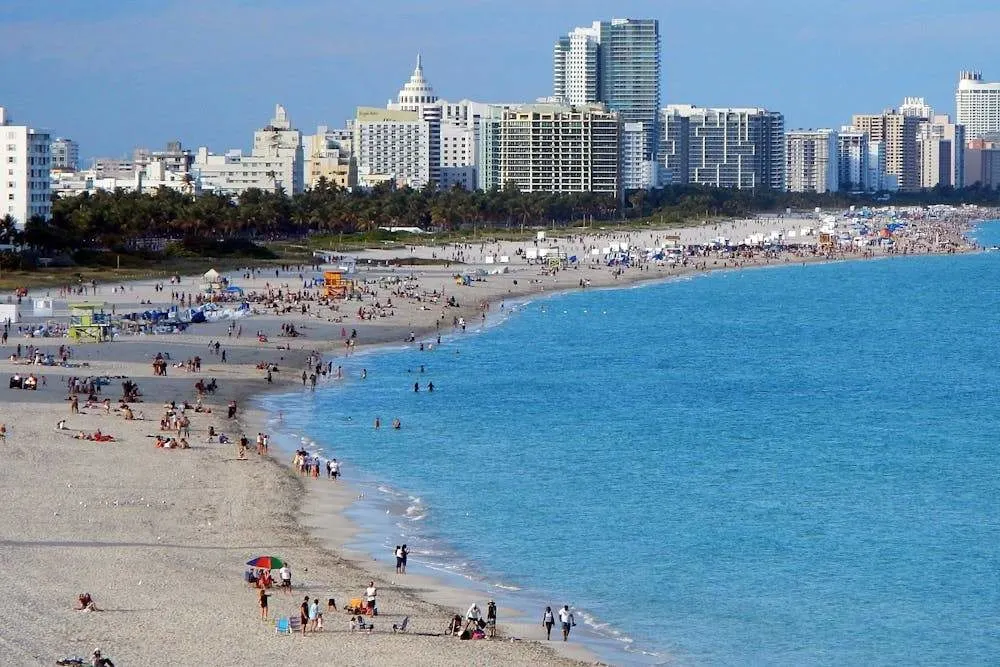
Miami stands apart from other major American cities in feel and atmosphere. It is colorful, warm year-round, heavily influenced by Latin American and Caribbean culture, and home to one of the most recognizable beachfronts in the world.
For anyone putting together a list of best places to visit in USA for first time, Miami offers a combination — ocean, nightlife, art, food, and nature — that is hard to find in one place anywhere else in the country.
Top things to do:
- Spend a morning walking Ocean Drive in South Beach and watching the Art Deco architecture.
- Visit the Wynwood Walls — an open-air street art museum that’s become one of Miami’s best attractions.
- Take a boat tour through the Everglades (book a half-day airboat tour — it’s wild)
- Explore Little Havana on a weekend, especially Calle Ocho.
- Overnight trip to Key West recommended— the drive down the Overseas Highway alone is worth it .
If you are planning to visit the iconic Wynwood Walls in Miami, remember that entry is now ticketed. To avoid scams and long queues, make sure to visit their official website to book your tickets in advance.
Budget Estimate:
- Accommodation: $160–220/night (budget), $350–600/night (South Beach hotels).
- Meals: Cuban coffee and pastelitos from a ventanita = $3. A dinner on Ocean Drive = $80.
First Time Miami Visitor Tips (2026 Update)
- Skip the Traffic: Miami traffic is legendary. Use the Free Trolley to get around local neighborhoods, or take the Brightline train for a quick trip to Orlando.
- Wynwood Access: Unlike the old days, Wynwood Walls now requires a paid ticket. Book your slot online before you go to avoid long lines.
- Ocean Drive Pricing: Be careful with restaurants on Ocean Drive; many add an automatic 18-20% service charge (gratuity) to the bill. Always check your receipt before adding an extra tip.
- Parking Hack: Parking in South Beach is extremely expensive. Look for Public Parking Garages (like the ones on 7th or 13th Street) instead of street parking to save $20–$30.
How many days: 3–4 days.
Best time to visit: November through April (dry season). May–October is hurricane season and intensely humid.
7. Los Angeles, California – The Entertainment Capital
Los Angeles is a city that takes a little effort to understand — but rewards that effort generously. For first-time visitors looking for the best places to visit in USA, LA offers something rare: the beach, the desert, and the mountains all within a 90-minute drive of each other.
Beyond the famous Hollywood landmarks, the city has one of the most diverse food scenes in the country, world-class museums, stunning hiking trails, and neighborhoods that feel like entirely different cities from each other.
Top things to do in Los Angeles:
- Spend a morning at Santa Monica Pier and Venice Beach.
- Hike to the Hollywood Sign via the Brush Canyon Trail.
- Visit the Getty Center — spectacular architecture, impressive art collection, and panoramic city views, all free to enter.
- Experience the future of film at the Academy Museum of Motion Pictures — a must-visit for every movie buff.
- Watch sunset from Griffith Observatory — one of the best views in the entire city.
- Explore Grand Central Market downtown for an excellent cross-section of LA’s food culture.
- Take a Warner Bros. or Universal Studios tour if entertainment history interests you.
Estimated budget:
- Accommodation: $180–280/night (budget), $350–600/night (mid to upscale areas like Santa Monica or West Hollywood) .
- Car rental: $60–100/day (strongly recommended — LA’s public transit is limited) .
- Meals: $20–35 for casual dining, $50–100+ for nicer restaurants.
Recommended time: 4–6 days.
Best time to go: October through April. June and early July bring overcast skies most mornings — a local phenomenon called “June Gloom.” The clearest, sunniest weather is actually in fall and early spring.
First Time LA Visitor Pro-Tips (2026)
- Traffic Hack: Never drive across the city between 4 PM and 7 PM. Use this time to explore the neighborhood you are already in, or you will spend 2 hours in traffic.
- Parking Tip: Download the ParkWhiz or SpotHero app. Parking in Santa Monica or Downtown can cost $30–$50, but these apps help you find spots for half the price.
- Hidden Gem: Skip the crowds at Griffith Observatory for a while and visit Echo Park Lake for a classic swan boat ride with a stunning view of the DTLA skyline.
8 . Seattle, Washington
Seattle sits at the intersection of urban culture and stunning natural scenery. The city is surrounded by Puget Sound to the west, the Cascade Range to the east, and is within a two-hour drive of some of the best hiking and national park landscapes in the Pacific Northwest.
Top things to do:
- Visit Pike Place Market early (before 9am) when it’s still local — watch fishmongers throw whole salmon.
- Take the ferry to Bainbridge Island for views of the Seattle skyline and the Olympic Mountains.
- Visit the Museum of Pop Culture (MoPOP) — wild building, great exhibits on music, sci-fi, and pop culture history.
- Drive up to Mount Rainier on a clear day (about 1.5 hours south).
- Walk the Olympic Sculpture Park along the waterfront.
Budget estimate:
- Accommodation: $160–250/night.
- World-class coffee: $5–9 per cup (worth every penny — this is the origin point).
Best time to visit: July–September. Seattle gets significant rainfall October through May.
Bonus Tips:
- ORCA Card: To get around the city, use an ORCA card or the Transit GO app. It is valid on buses, light rail, and streetcars.
- Link Light Rail (Transport): To travel from the airport to the city, opt for the Link Light Rail instead of a taxi. It gets you downtown for just $3 and helps you avoid traffic.
- Ballard Locks: Be sure to include Ballard Locks (Hiram M. Chittenden Locks) in your list of ‘top things to do’—watching salmon climb the ‘ladder’ here is a unique and free experience.
- Local Secret: Don’t carry an umbrella! Most Seattleites prefer a good waterproof rain shell (jacket) as the wind often makes umbrellas useless.
9. Yellowstone National Park, Wyoming
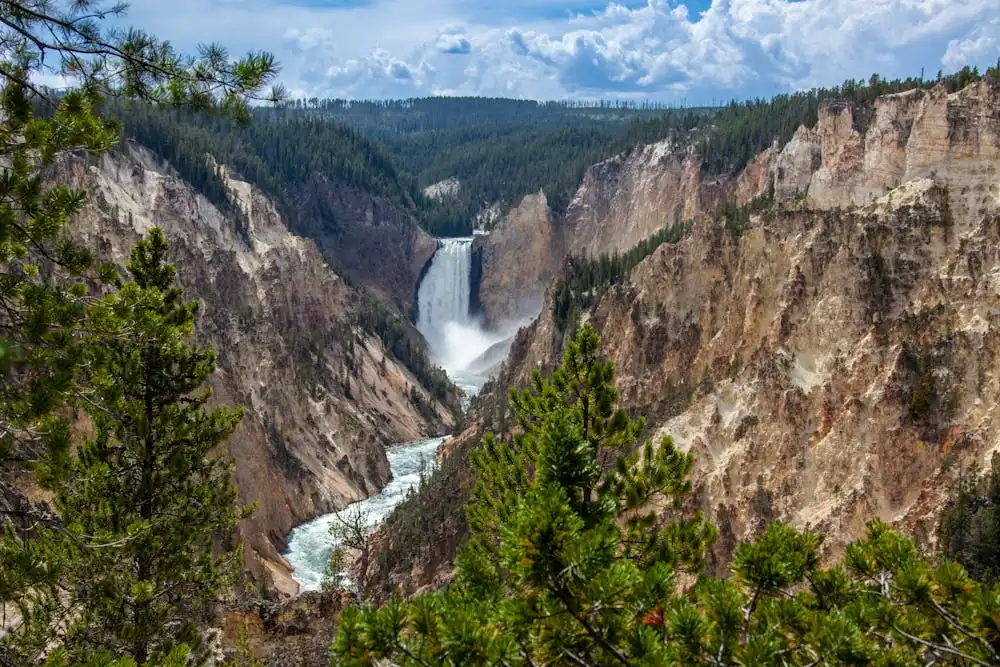
Yellowstone is the world’s first national park, established in 1872, and it remains one of the most extraordinary natural places on earth. Geysers, hot springs, bison herds, wolves, grizzly bears, and dramatic canyon scenery all coexist within the park’s nearly 3,500 square miles.
For anyone exploring the best places to visit in USA for first time from a natural wonders perspective, Yellowstone is essential.
Top things to do in Yellowstone:
- Watch Old Faithful erupt — predictable roughly every 90 minutes.
- Walk the Grand Prismatic Spring boardwalk — the vivid colors of the thermal pool are unlike anything else in the park.
- Drive the Grand Loop Road with stops at every major viewpoint.
- Spend time in Lamar Valley for wolf and bison sightings.
- Explore Hayden Valley for grizzly bear and elk activity.
Estimated budget:
- Park entrance: $35 per vehicle (covers all passengers), valid for 7 days. Currently, there is no extra surcharge for international visitors .
- Lodging inside the park: $150–500/night (book 6–12 months ahead — this is not an exaggeration).
- Campgrounds: $30–55/night.
Recommended time: 4–5 days to cover the main sections of the park.
Best time to go: June through September for full road access and peak wildlife activity. May and October are quieter and still offer excellent wildlife viewing
Bonus Tips:
- There is absolutely no cell service inside the park. Download the [NPS App] and save offline maps in advance.
- To spot wolves and bears in Lamar Valley, arrive before 6 AM; don’t forget to bring binoculars.
- Always carry bear spray and avoid hiking alone. This is grizzly country, and safety is paramount.
10. Washington D.C.
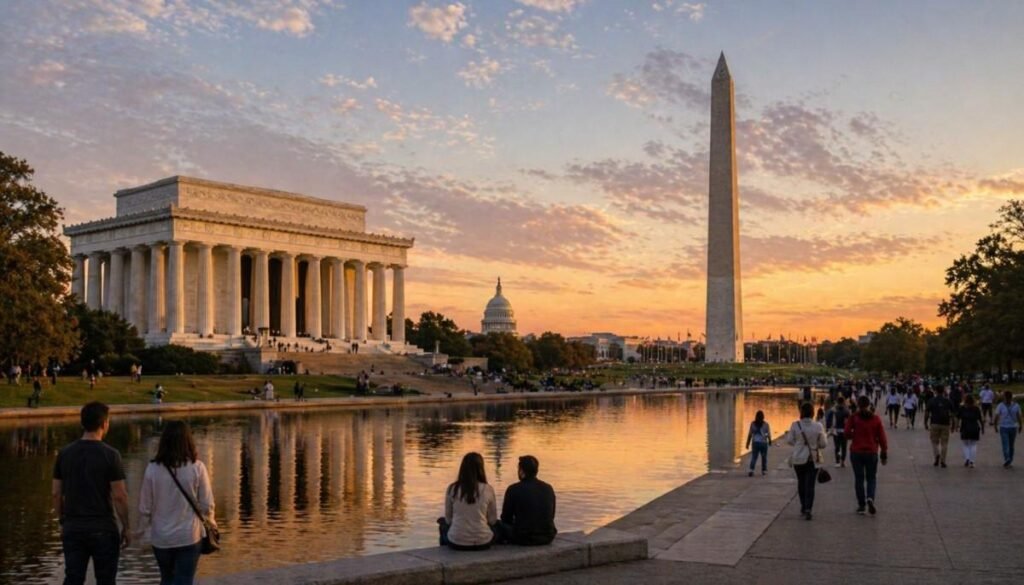
Washington D.C. is one of the most accessible major destinations in the country from a budget perspective — because the majority of its most significant attractions are free to visit. The Smithsonian Institution alone operates 19 museums and galleries, all without an admission charge.
Top things to do in Washington D.C.:
- Walk the entire National Mall from the Lincoln Memorial to the Capitol building — plan for at least a half day.
- Visit the Smithsonian museums: the National Air and Space Museum and the National Museum of Natural History are both exceptional.
- See the Jefferson Memorial and the Tidal Basin during cherry blossom season in late March and early April.
- Tour the Library of Congress — the interior is one of the most beautiful public spaces in the country.
- Explore Georgetown for restaurants, cafes, and the historic C&O Canal towpath.
Estimated budget:
- Accommodation: $180–300/night.
- Most major attractions: Free.
Recommended time: 3 days.
Best time to visit: (Warning) The crowds are extremely heavy during the Cherry Blossom season (late March/April),so that hotel rates double during this time.
Expert Tips for Washington D.C. (2026)
- Book Your Free Passes: Most Smithsonian museums are free, but the Air and Space Museum and Library of Congress require advance timed-entry passes. Book them 2-4 weeks ahead on their official websites.
- The Smart Way to Pay: Don’t waste time at ticket machines. Use Apple Pay or Google Pay directly at the Metro turnstiles for a seamless travel experience.
- Water and Walking: The National Mall is much bigger than it looks on maps (about 2 miles). Wear your most comfortable walking shoes and carry a refillable water bottle.
- See the Pandas: 2026 is a great year to visit the National Zoo as the Giant Pandas are back! Remember, entry is free but requires a pre-booked pass.
11. Sedona, Arizona
Sedona is one of the more surprising entries on any list of the best places to visit in USA for first time travelers — but those who make the trip are consistently glad they did.
The red sandstone formations that surround the town create some of the most photographed scenery in the American Southwest. The combination of dramatic natural beauty, excellent hiking, and a relaxed town atmosphere makes Sedona a destination that works for a wide range of travelers.
Top things to do in Sedona:
- Hike Cathedral Rock Trail — short and steep, with views at the top that justify every step.
- Drive Oak Creek Canyon, a scenic 16-mile route through red rock formations.
- Watch sunrise from Airport Mesa — a short walk from the parking area rewards you with 360-degree views over the red rock landscape.
- Book a Pink Jeep Tour for access to backcountry terrain that most visitors never see.
- Visit Tlaquepaque Arts & Shopping Village for local galleries and crafts.
Estimated budget:
- Accommodation: $250–$400+ /night .
- Hiking: Mostly free, with some trailhead day-use parking fees of $5.
First Time Sedona Visitor Pro-Tips (2026 Update)
- Use the Free Shuttle: Most popular trailheads (like Cathedral Rock) no longer allow private parking. Use the free Sedona Shuttle; it’s convenient and saves you from traffic stress.
- Book Your Jeep Tour Early: Pink Jeep Tours are iconic but fill up fast. Book at least 2 weeks in advance, especially for sunset slots.
- Dark Sky Magic: Sedona is an International Dark Sky Community. Head out after dinner for incredible stargazing—the Milky Way is often visible to the naked eye.
- Red Rock Pass: Keep a $5 Red Rock Pass handy (you can buy it at machines or online) if you plan to park your car at any trailhead outside the shuttle zone.
Best time to go: March through May and October through November.
Pro Tip: Download the Sedona Shuttle app in advance to check the shuttle schedule, as it gets crowded on weekends.
12. Savannah, Georgia
Savannah is one of the most walkable and visually distinctive cities in the American South. The historic district is built around a series of tree-shaded public squares draped in Spanish moss, and the entire area is remarkably well-preserved.
Top things to do in Savannah:
- Walk through Forsyth Park in the morning light.
- Take an evening ghost tour — Savannah has a rich history and the tours are genuinely entertaining.
- Visit Bonaventure Cemetery.
- Have lunch at Mrs. Wilkes’ Dining Room — family-style Southern cooking at a long communal table, cash only, arrive early.
- Stroll along River Street for waterfront views and local shops.
Estimated budget:
- Accommodation: $180–300/night.
- Mrs. Wilkes’ Dining Room: approximately $35–$40 per person.
Recommended time: 2–3 days.
Best time to go: March through May and October through November.
First Time Savannah Visitor Pro-Tips (2026 Update)
- Free Transportation: Save your money! Use the DOT Express Shuttle for a free and easy way to get around the Historic District and River Street.
- To-Go Cups: Enjoy the city’s unique law that allows you to carry an open beverage in the Historic District—just make sure it’s in a 16oz plastic cup.
- Bonaventure Cemetery: It’s a 15-minute drive from downtown. Visit early in the morning to beat the humidity and the crowds for the best photos.
- Parking Hack: Avoid parking on the street during street sweeping days (check the signs!), or you will definitely get a ticket. Use public parking garages like the Bryan St. Garage for peace of mind.
13. Glacier National Park, Montana
Glacier National Park is one of the most remote destinations on this list — and one of the most rewarding. Often called the “Crown of the Continent,” it offers a raw, genuinely wild experience that national parks closer to major cities simply cannot replicate.
Top things to do in Glacier:
- Drive the Going-to-the-Sun Road — a 50-mile mountain highway through the heart of the park, widely considered one of the most scenic drives in North America.
- Hike to Hidden Lake Overlook from Logan Pass.
- Paddle Lake McDonald, where the water is so clear the multicolored rocks on the bottom are visible from the surface.
- Watch for mountain goats near Logan Pass — they appear regularly and come remarkably close.
Estimated budget:
- Park entrance: $35 per vehicle.
- Accommodation in nearby Whitefish or West Glacier: $200–400/night.
Best time to go: Mid-July through mid-September. Going-to-the-Sun Road typically opens fully in late June and closes to vehicle traffic in October.
Recommended time: 3–4 days
First Time Glacier Visitor Pro-Tips (2026 Update)
- Use the Free Shuttle: If you don’t want to deal with Logan Pass parking stress, park your car at the Apgar Visitor Center and take the free shuttle.
- Reservation is Key: You MUST book a vehicle reservation online months in advance to drive the Going-to-the-Sun Road. Without it, you cannot enter the park’s main areas during peak hours.
- Check Road Status: The Going-to-the-Sun Road often doesn’t fully open until early July due to snow. Always check the official NPS website for live road conditions before you drive.
- Grizzly Safety: This is bear country. Always carry bear spray in an easy-to-reach holster and make noise while hiking to avoid surprising a bear.
14. Charleston, South Carolina
Charleston is a city that preserves its history with remarkable care. The antebellum architecture, the cobblestone streets, and the antique horse-drawn carriages all create an atmosphere that feels genuinely different from most American cities.
Top things to do in Charleston:
- Walk the historic downtown district, particularly Rainbow Row — a stretch of colorful Georgian-style row houses
- Visit Magnolia Plantation and Gardens, especially during spring bloom season
- Take a boat tour to Fort Sumter, the site where the Civil War began in 1861
- Try shrimp and grits — the defining dish of Lowcountry cuisine
- Explore the City Market for locally crafted sweetgrass baskets, a Charleston tradition
Recommended time: 2–3 days.
Best time to go: March through May and September through November
Bonus Tips:
- Comfortable Shoes: Those beautiful cobblestone streets are very uneven. Avoid heels and wear comfortable walking shoes to explore Rainbow Row.
- Ride for Free: Save your money and use the free DASH shuttle to get around the downtown historic area.
- Book Ahead: Popular spots like Magnolia Plantation and Fort Sumter tours fill up fast. Always book your tickets online at least 3-5 days before your visit.
15. Honolulu, Hawaii
Hawaii is technically part of the USA and completely unlike anywhere else in it. Honolulu on the island of Oahu gives you the best introduction: iconic beaches, rich history, surf culture, and an extraordinary food scene with strong Japanese and Filipino influences.
Top things to do:
- Waikiki Beach — yes, it’s touristy, yes, it’s still gorgeous.
- Pearl Harbor and the USS Arizona Memorial (book ahead, it fills up.)
- Hike Diamond Head Crater for panoramic views of Honolulu.
- Watch surfers at the North Shore (November–February for big wave season).
- Try a plate lunch — the most honest local food experience you’ll find.
Budget estimate:
- Flights from mainland USA: $300–600 return.
- Accommodation: $250–450/night.
- Food: $15–20 for local plate lunch spots, $40–80 for restaurants.
How many days: 5–7 days.
Best time to visit: April–May and September–October (shoulder seasons with fewer crowds and better rates).
First Time Honolulu Visitor Pro-Tips (2026 Update)
- Book Your Hikes: You now need advance reservations for Diamond Head and Hanauma Bay. Don’t show up without a QR code on your phone.
- Reef-Safe Only: It is illegal to use non-reef-safe sunscreen in Hawaii. Protect the ocean and buy your sunscreen locally at ABC Stores.
- Skip the Car in Waikiki: Parking in Waikiki can cost $50/day. Use the Waikiki Trolley or TheBus (public transit) for an affordable way to see the island.
- North Shore Traffic: If you are visiting the North Shore during the big wave season (Nov-Feb), leave Waikiki by 7 AM or you will be stuck in traffic for hours.
Practical Tips for First-Time Visitors to the USA
After years of traveling across the country and talking to hundreds of first-time visitors, these are the things I wish someone had told me before my first trip.
Transport — the most important decision you’ll make:
The USA is built around cars. In most cities and especially any rural destination, you will need to rent one. The exceptions are New York City (subway is excellent), Washington D.C. (Metro is solid), and to a lesser extent San Francisco and Chicago. Everywhere else — particularly Los Angeles, Miami, and any national park — a rental car is essentially mandatory.
Budget $60–100/day for a basic car rental. Book through Costco Travel, AutoSlash, or directly through the rental company — and book early. Car rental prices in the USA can surge dramatically at peak times.
Tipping culture — understand it before you go:
Tipping in the USA is not optional in most situations — it’s how service industry workers make their living. The baseline:
- Restaurants: 20%–22% of the pre-tax bill.
- Bars: $1–2 per drink, or 15–20% on a tab.
- Taxi/rideshare: 15–20%.
- Hotel housekeeping: $3–5 per night.
- Tour guides: 15–20% minimum.
This will add up — factor it into your budget.
Phone and data:
In 2026, forget physical SIM cards as most new US phones are eSIM only. It is highly recommended to use eSIM apps like Airalo or Holafly. You can activate them before you land, avoiding long airport lines. A reliable unlimited data plan typically costs around $50–$70 for 30 days. For the best coverage across the USA, choose networks like T-Mobile, AT&T, or Verizon.
Health and travel insurance:
This one is not optional. Healthcare in the USA is extraordinarily expensive. A minor emergency room visit can cost $1,500–5,000 without insurance. A serious injury or illness can result in bills in the hundreds of thousands. Buy travel insurance that specifically covers US medical costs — it’s typically $50–150 for a 2-week trip and it’s the best money you’ll spend.
Safety:
The USA is a safe country for tourists in the vast majority of destinations on this list. Standard urban precautions apply: don’t flash expensive gear in unfamiliar neighborhoods at night, be aware of your surroundings, and use common sense. Research specific neighborhoods before you go — even great cities have areas that are better avoided.
Packing for the USA:
The USA’s climate varies enormously. A trip from New York to Miami to Yellowstone in the same month requires three completely different wardrobes. Key universal items:
- Comfortable walking shoes (you will walk far more than you expect.)
- A light layer for overcooled air conditioning (restaurants, buses, and hotels are often frigidly cold.)
- Sunscreen (buy it there — it’s cheaper and available everywhere.)
- A refillable water bottle (tap water is safe to drink across the country.)
Currency and payments:
The US dollar is the only currency you need. Credit cards are accepted almost everywhere — Visa and Mastercard universally, While America is moving towards a cashless society, always keep $40–60 in small bills for small vendors, tips, and places like Mrs. Wilkes’ in Savannah that remain cash-only.ATMs are available at every bank and many convenience stores. Avoid airport ATMs — the fees are high. Withdraw cash from a bank ATM inside a grocery store or CVS/Walgreens pharmacy for minimal fees.
Extra Tips that work in major cities
- Cashless Society: By 2026, America has become nearly 100% cashless. Be sure to carry Apple Pay, Google Pay, or an affordable ‘Forex Card’ with you. Many places no longer accept cash.
- National Park Reservations: Simply showing up at a National Park is not enough in 2026, advance entry reservations are mandatory for most parks (such as Glacier, Zion, and Arches.)
- Tap-to-Pay Everywhere: From NYC subways to local coffee shops, just tap your phone or smartwatch to pay. It’s faster and more secure.
- Offline Maps: Before heading to National Parks like Yellowstone or Grand Canyon, download Google Maps for offline use, as cell reception disappears in the wilderness.
- Download ‘SpotHero’: If you are driving in cities like LA or Chicago, use the SpotHero app to find and book cheap parking in advance.
If you wish to obtain detailed information about every city in the USA, you must read this blog post—”Best Travel Tips for the USA.” It features details on the best hotels and cafes in each city, free attractions to visit, day-wise itineraries, and a wealth of other information. I sincerely hope you enjoyed this blog post; reading it should resolve all your doubts regarding your USA trip, enabling you to plan your journey with ease.
Frequently Asked Questions
1 What are some budget-friendly places to visit in the USA?
Ans: There are numerous places to visit in the U.S.A, however, the challenge is that most destinations here tend to be luxurious and expensive, which often makes them inaccessible to the average traveler. For this reason, I have curated a list of the top 5 affordable places in the USA—spots that are completely pocket-friendly and offer a next-level experience without breaking the bank.
1 Philadelphia
2 Great Smoky Mountains
3 Salt Lake City
4 Albuquerque, New Mexico
5 San Antonio, Texas
2 Which month should one visit the USA to keep travel expenses low?
Ans: January to March (Lowest Prices): Flights and hotels are at their cheapest during these months. Travel volume drops after the Christmas and New Year holidays have ended. If you don’t mind the cold, this is the best time to save money.
3 How much does a first trip to the USA cost?
Ans: A realistic daily budget varies by style:
- Budget traveler: $120–150/day (hostel, self-catering some meals, public transit.)
- Mid-range: $250–350/day (decent hotel, mix of eating out and cooking, some activities.)
- Comfortable: $500+/day (good hotels, all meals out, tours and experiences.)
Flights are typically the biggest expense — transatlantic and transpacific fares can run $600–1,500+ depending on origin and timing. Book 2–4 months ahead for the best prices.
4 How can we reduce transportation costs in the USA?
Ans: Buses (Cheapest Option): In the USA, FlixBus and Greyhound are the most affordable options. If you book in advance, interstate tickets can be found for $20–$40.
Tap to Pay: Instead of getting a separate card in every city, simply “tap” using Apple/Google Pay or a contactless card.
5 Where should one start their trips in the USA?
Ans: My advice is to start your trip in cities like Washington D.C. or Chicago. These places are more affordable than NYC, offer numerous free attractions, and provide a cheap and easy route to New York. This will help you keep your budget in check right from the start, allowing you to enjoy the ‘luxury’ of New York City at the end of your trip without any financial stress.