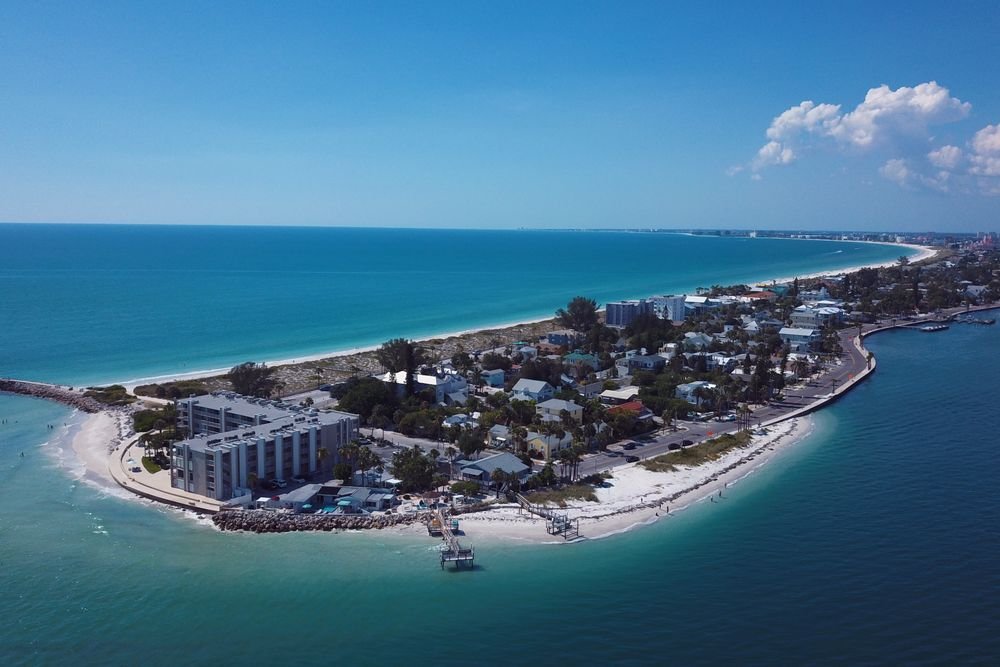
I’m going to be completely honest with you.
I’ve made every mistake a traveler can possibly make in August—not just once, but repeatedly. I once booked a trip to a “beautiful tropical island” in August, only to spend two of the seven days huddled inside my hotel while a massive tropical storm raged outside. Another year, I picked an island I thought was a “hidden gem”—one I kept reading about in articles—only to discover that I wasn’t the only one who had read them. The beach was packed with tourists, and I ended up paying $30 for a single cocktail.
After visiting over 26 islands across the U.S. and its territories over the past eight years—dealing with delayed ferries, tracking NOAA weather radars, and packing way too much bug spray—I’ve finally figured out which U.S. islands genuinely deliver in late summer. The reality is, August weather is tricky.
The truth is, August weather varies wildly across the country. In some regions, it’s peak hurricane season; in others, the heat is downright suffocating. But for the spots on this list, late summer hits the absolute sweet spot. Whether you crave raw adventure or want a quiet family escape—I’ve personally tested 16 of these 18 best islands to visit in August across the USA. Having spent my own summers dealing with these exact microclimates, I’ll tell you what to skip, where to eat, and share the kind of insider details that travel guides usually leave out.
An essential tip for traveling in August (2026 update): Before checking the list, keep two key things in mind for your island trip—always book your ferry at least four weeks in advance, and be sure to check for jellyfish or sea nettle warnings for beaches on the Atlantic side, as their numbers peak during this month.
1. Mackinac Island, Michigan
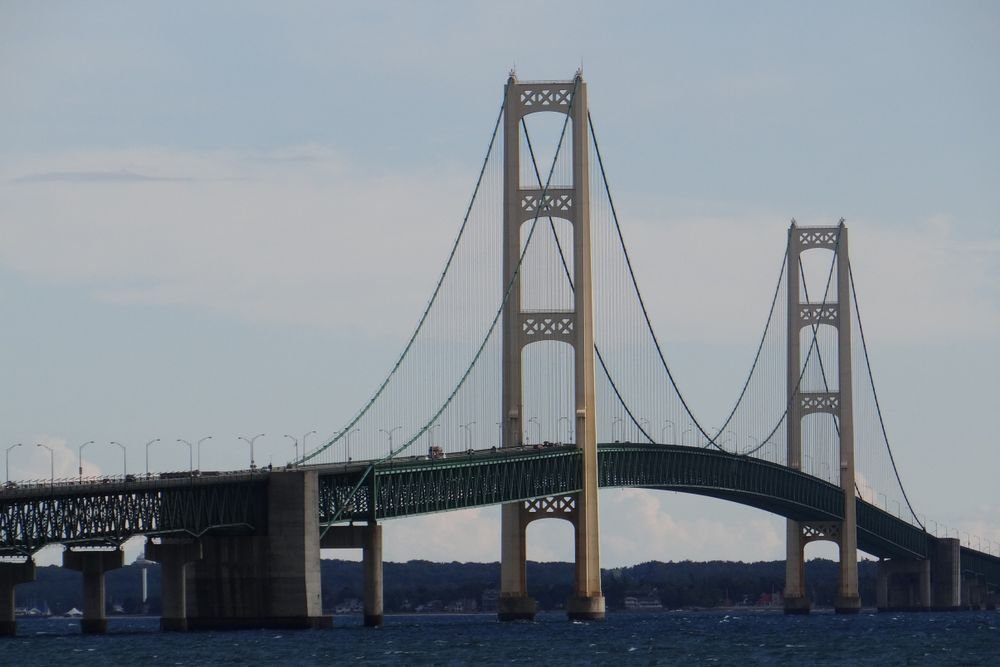
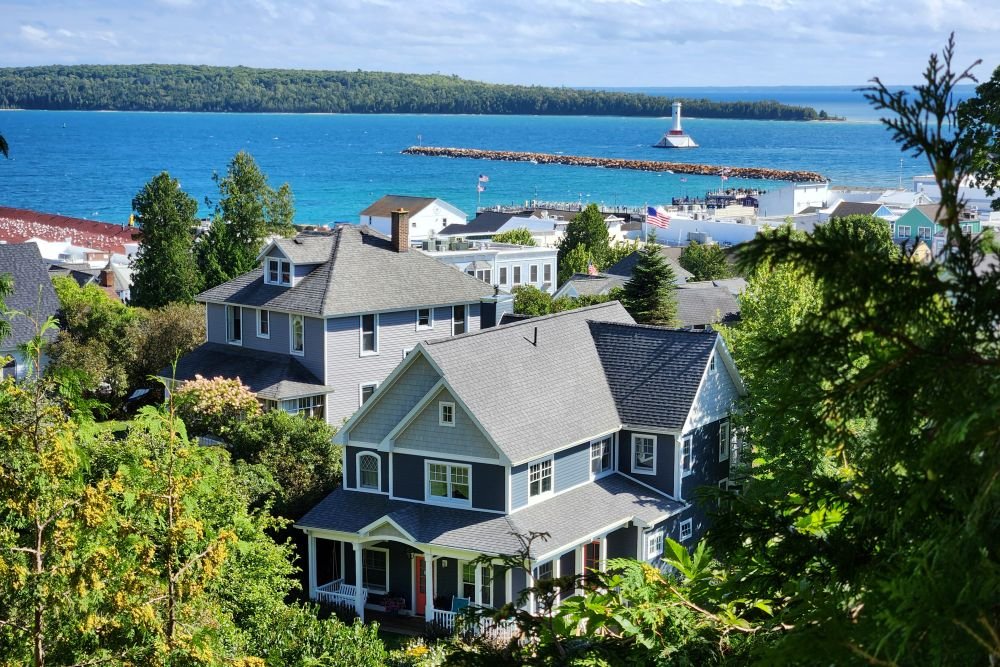
Imagine stepping off a ferry to find not a single car in sight. No engine noise. No traffic. Just the rhythmic clip-clop of horse hooves on cobbled streets, the aroma of fresh fudge wafting from wooden storefronts, and the shimmering waters of Lake Huron framing it all.
This is Mackinac Island in August—a place that feels as though someone hit “pause” on the modern world.
I arrived by ferry one August morning, rented a bicycle from a shop on Main Street, and circled the entire island—a route of about eight miles—before lunch. The Grand Hotel boasts a 660-foot-long porch; even if you aren’t staying there, it’s a delightful spot for a stroll. The local fudge is legendary for a reason—watching it being hand-paddled on massive marble slabs right behind the glass windows is pure theater. At Fort Mackinac (dating back to the 1780s), don’t just watch the staff in period costumes fire the noon cannon; ask them about the soldiers’ actual summer diets back then—their historical knowledge is incredible.
An experience you’ll never forget: cycling the eight-mile perimeter road that hugs the island’s edge. On the water side, you’ll spot freighters passing through the Straits. On the forest side, you’ll ride past limestone arches and meadows filled with wildflowers. I completed this loop three times in a single day. I have no regrets.
A piece of honest advice: the famous Mackinac Island fudge isn’t just a tourist trap; it is genuinely delicious. Visit Ryba’s, Murdick’s, and at least two other shops. Compare them seriously. It’s essential research.
- How to get there: Catch a high-speed ferry from Mackinaw City or St. Ignace via Shepler’s Mackinac Island Ferry ($39 adult round-trip) or the Mackinac Island Ferry Company (formerly Arnold Transit/Star Line, costing $37 round-trip). Note: Both lines charge a online booking fee, and hauling your personal bicycle across will run you an extra $21.
- Best places to stay: Grand Hotel (luxury with the famous 660-foot porch), Mission Point Resort (excellent mid-range value with a massive lakeside lawn).
- Estimated budget: $140–$260/day (considering that the average cost of bike rental in 2026 is $15–$20/hour and parking at the ferry dock costs approximately $15/day).
Tip for avoiding crowds in August: August is peak season for family outings, so Main Street gets extremely crowded with cyclists by 2 PM. If you want to avoid erratic riders—people who haven’t cycled in a decade—head to the Perimeter Loop by 8:30 AM.
2. Maui, Hawaii
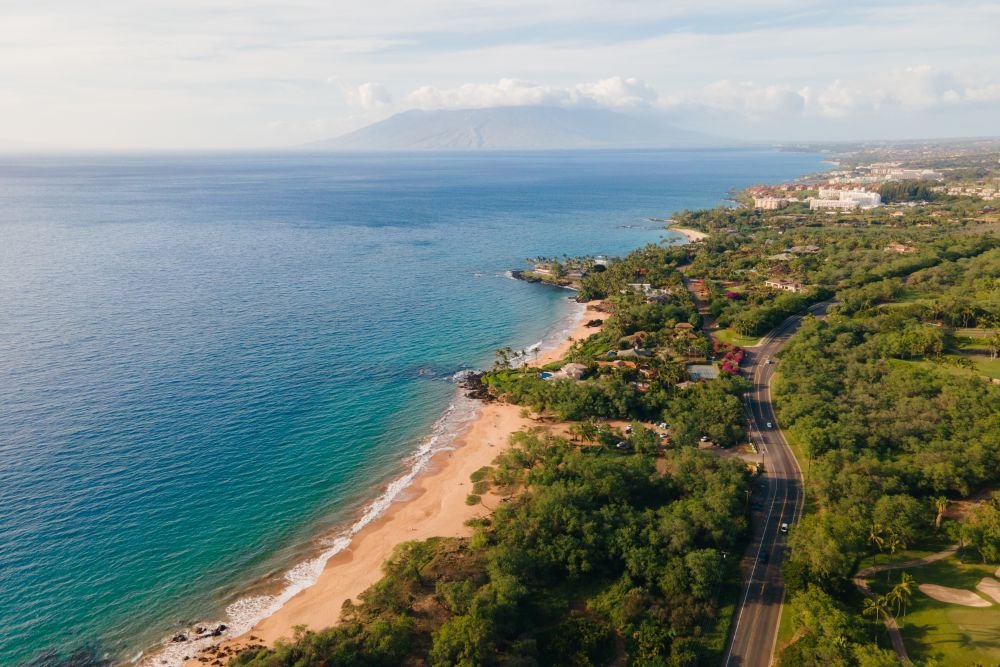
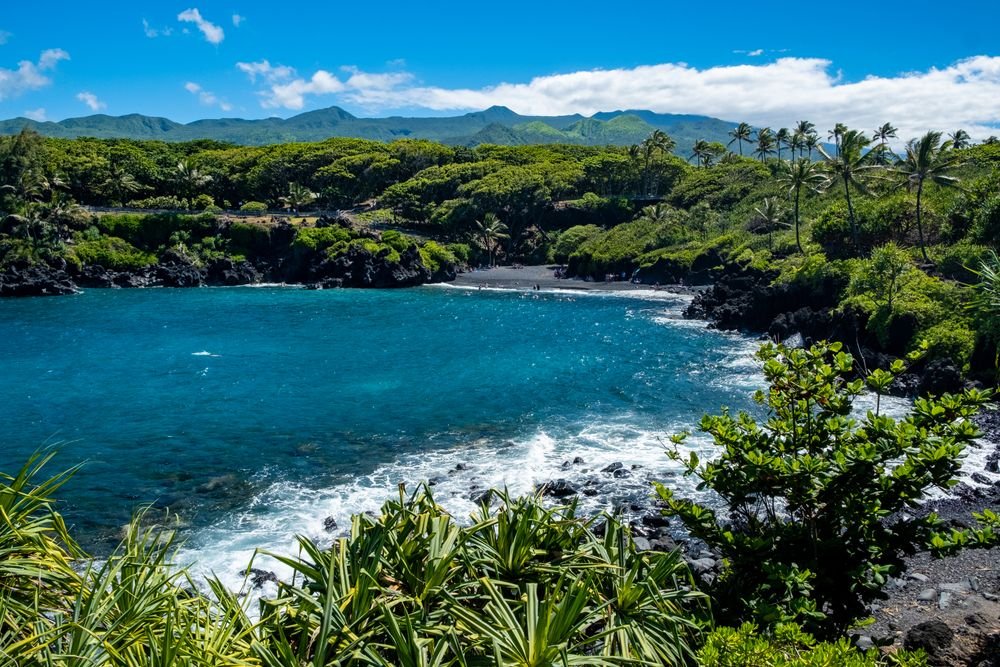
“Maui is a summer favorite, but its travel dynamics have completely shifted. While resort pockets like Kaanapali and Wailea see a massive rush in August, historic Lahaina is still mindfully rebuilding after the devastating fires. If you visit West Maui, go to support the local businesses that have reopened, but don’t expect a typical crowded shopping district.
During my recent high-summer trip, I found that the true soul of the island lives away from the major resort bubbles. I spent my days snorkeling the crescent-shaped Molokini Crater in 100-foot visibility, grabbing a sticky, condensed-milk-drizzled shave ice from Ululani’s, and rubbing the sleep from my eyes during a freezing midnight drive.
That last part might sound strange, but when you stand there at an altitude of 10,000 feet—despite the cold and fatigue—and watch the pink light spread across the volcanic crater, you understand why people travel across the Pacific Ocean to experience exactly that.
- August Weather: Temperatures along the coast range from 82–88°F, but at the summit of Haleakalā, they drop to as low as 40°F.
- Risk of Storms: Low, but the tropical storm season in the Central Pacific begins in August, so always keep an eye on local NOAA updates.
- Best Area to Stay: Kihei (best for affordable condos and local food trucks) or Wailea (for high-end luxury resorts).
- Don’t Miss: A morning snorkel charter to Molokini Crater. Insider Tip: Book an early 6:30 AM boat to beat the choppy August afternoon trade winds.
- Crucial Haleakalā Reservation Warning (2026 Update): Do not just show up at Haleakalā at 3 AM expecting to drive up. The National Park Service requires a specific vehicle reservation for sunrise viewing (3:00 AM to 7:00 AM). Tickets open 60 days in advance on Recreation.gov and sell out within minutes. Also, pack a heavy winter jacket—it drops to a biting 40°F at the 10,000-foot summit, even in mid-August!
3. Hilton Head Island, South Carolina
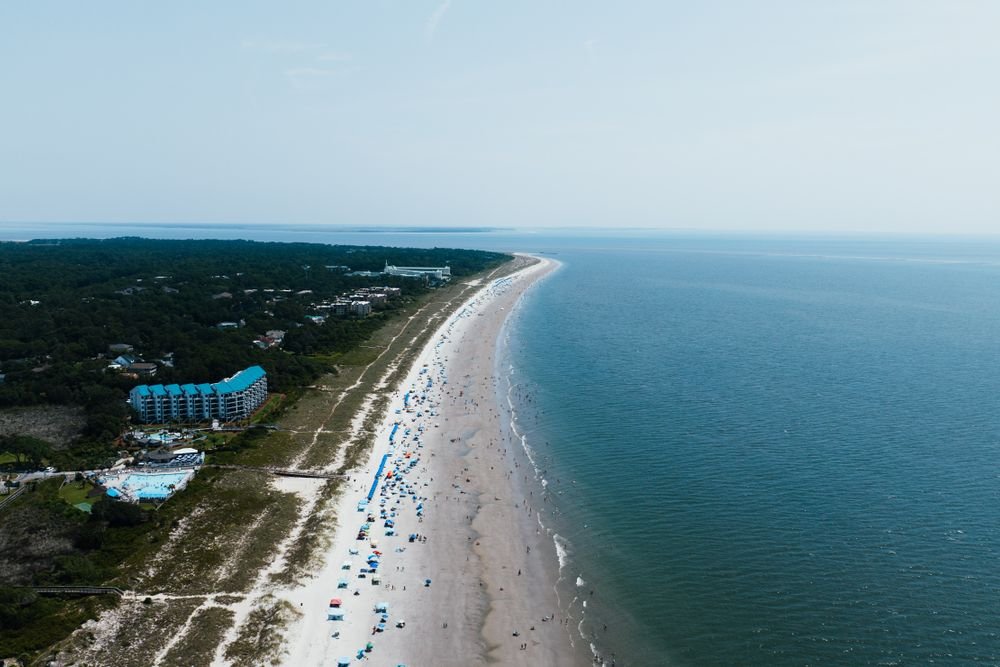
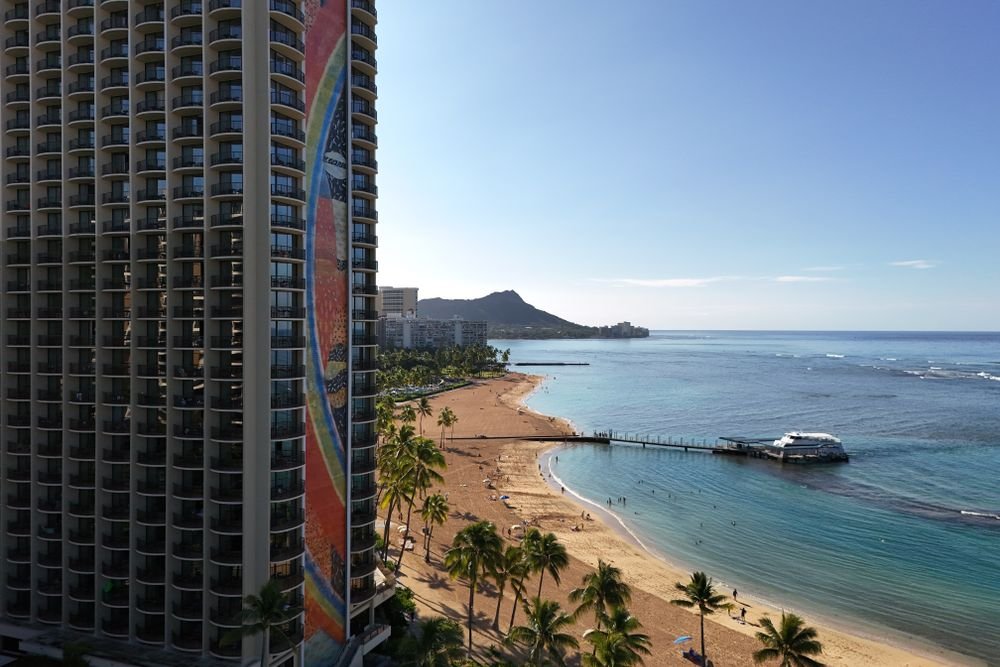
Hilton Head is known for golf—boasting 25 courses, some of which are world-class—and for this reason, many non-golfers overlook it. That is a mistake.
The island features a 12-mile stretch of Atlantic coastline that is wide, flat, and cleaner than almost any other beach on the East Coast. Coligny Beach is the island’s liveliest public beach—offering volleyball, paddleboard rentals, and great food trucks within walking distance—and while the atmosphere is vibrant in August, it never feels uncomfortably crowded.
At the island’s northern end, outfitter groups like Outside Hilton Head or local eco-guides organize small-batch guided kayak tours through the Lowcountry salt marshes. As you paddle the tidal creeks, you navigate right through the feeding grounds of resident bottlenose dolphins that often come remarkably close to your kayak. I went on a Wednesday morning in August and spotted 11 different dolphins during the two-hour paddle. There were no other tours nearby—just the marsh, the sky, and the dolphins.
Hilton Head boasts a fantastic network of bike paths, with over 60 miles of designated trails winding through tree-shaded areas and along the waterfront. I rented a classic beach cruiser—which cost around $35 to $45 on average in 2026—and spent two days with it riding along moss-covered paths without ever touching a car’s ignition.
- August weather: 85–90°F; warm sea water, perfect for swimming
- Best for: Active families, couples, golfers, cyclists, and wildlife enthusiasts
- Estimated Budget: $180–$350/day (Peak August hotel rates are stable, but oceanfront villas carry a hefty premium).
August No-See-Ums Alert: The marsh areas get fiercely buggy around dusk in August. Pack bug spray containing picaridin or DEET, and avoid beach walking right after an August afternoon rain shower when sand fleas (no-see-ums) are most active.
4. Key West, Florida
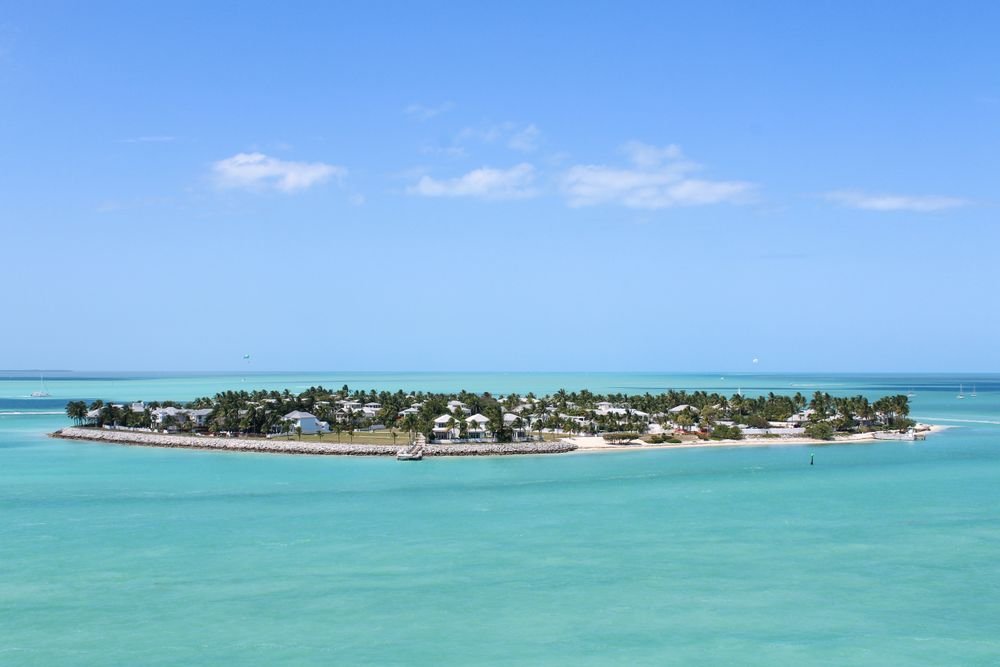
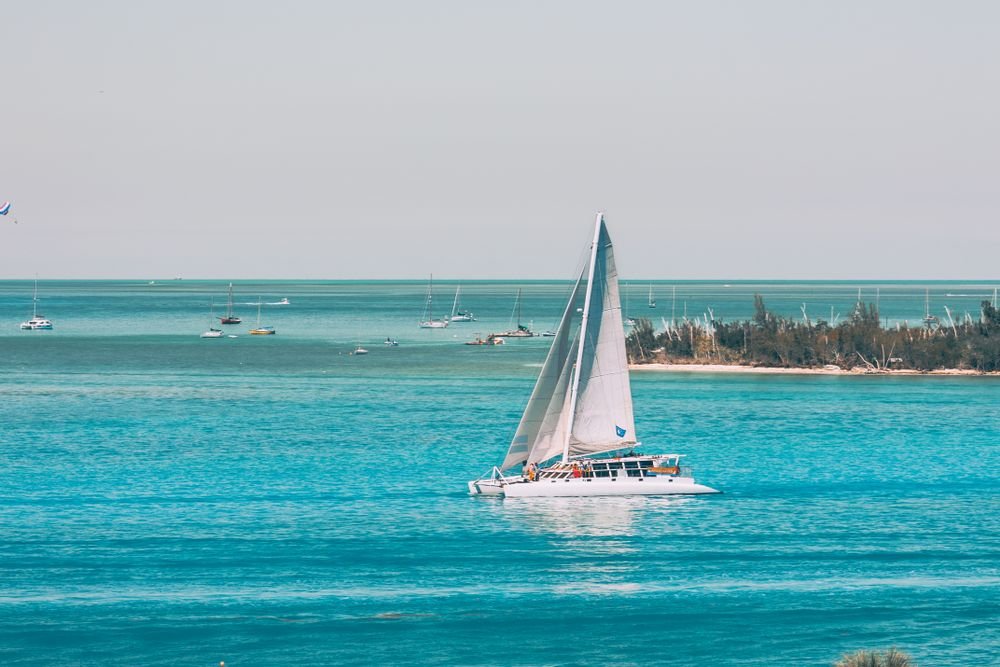
Let me be clear right away about choosing Key West in August: the heat there is intense. It isn’t just a mild subtropical climate; it is sweltering and humid—and yes, it sits right in the path of Atlantic hurricanes.
Yet, it easily ranks among the best islands to visit in August if you know how to game the system. With winter ‘snowbirds’ long gone, 2026 hotel inventories show price drops of 30% to 40%. The aggressive tourist crowds evaporate, leaving behind the island’s authentic, slow-paced, fun-loving character.
The Florida Keys National Marine Sanctuary, surrounding Key West, boasts some of the best diving and snorkeling spots in Florida—featuring brain coral, fan coral, moray eels, sea turtles, and a fish population that rivals the Caribbean.
In August, I cycled to the Hemingway House and took the guided tour with only three other people. I watched the sunset at Mallory Square alongside actual locals. I ate the best Key lime pie of my life at Kermit’s Key West Key Lime Shoppe (the historic Elizabeth Street storefront by the bight, avoiding the chaotic Duval Street foot traffic)
- August weather: Temperatures range from 87–91°F with high humidity—opt for morning hours for outdoor activities.
- Important Note: August falls within hurricane season. Book flexible, refundable travel rates and download the NHC (National Hurricane Center) app. Local Insider Rule: Remember that the Florida Keys operate on a strict single-highway evacuation plan. If a major storm points toward Monroe County, visitors are legally ordered to clear out early via the Overseas Highway.
- Hurricane Risk: Moderate. While August marks the ramp-up of tropical cycles, actual direct landfalls are statistically rare, making most summer days completely sunny and clear.
5. St. John, U.S. Virgin Islands
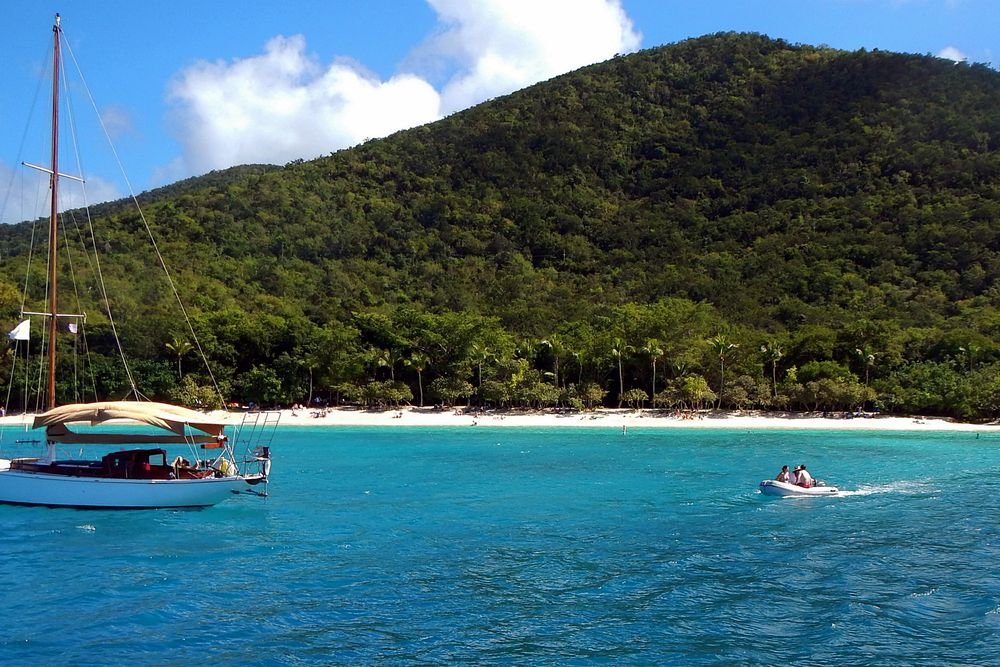
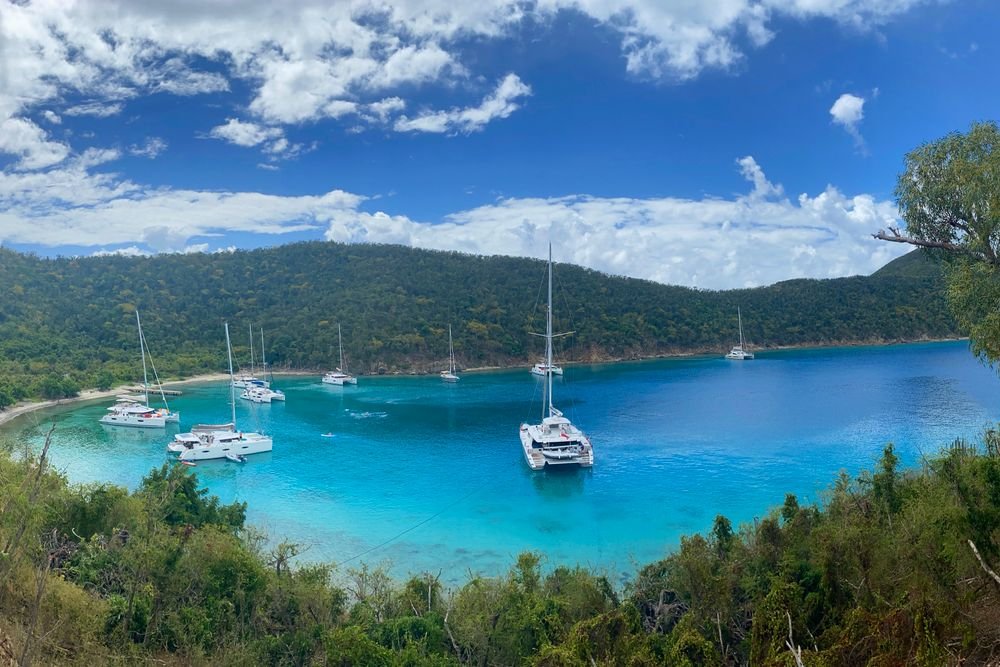
Two-thirds of St. John is the Virgin Islands National Park—meaning it will never be developed or overdeveloped, and it will always look just as it does today.
I arrived by ferry from St. Thomas on a humid August morning and spent five days here that I still consider some of the best travel days of my life. The Trunk Bay Underwater Snorkel Trail is exactly what it sounds like: a marked snorkeling path winding through a living coral reef, complete with signs identifying the marine life you are swimming past. I snorkeled there twice.
The hiking trails in VINP are excellent in August, though I would recommend starting before 7 AM to beat the heat. The Ram Head Trail ends at a cliff overlooking the Caribbean—a view that left many in my group completely speechless.
Maho Bay offers the best shallow-water beach snorkeling on St. John; dozens of green sea turtles graze on the seagrass beds just 20 to 30 feet from the shoreline, completely unfazed by swimmers.
- August Travel Impact: Visiting St. John in late summer drops luxury villa rentals by 25% to 35%.
- Trunk Bay Entry Fee (2026): $5 per adult (kids 15 and under are free). Insider Tip: Unlike many remote parks, standard America the Beautiful federal annual, senior, or access passes are accepted here to fully cover your day pass entry.
- August Ferry Route Alert: Due to late-summer trade winds, the passenger ferry ride from Red Hook (St. Thomas) to Cruz Bay (St. John) can get quite rough. If you are prone to motion sickness, secure a seat on the lower deck rather than the open-air upper deck.
6. Tybee Island, Georgia
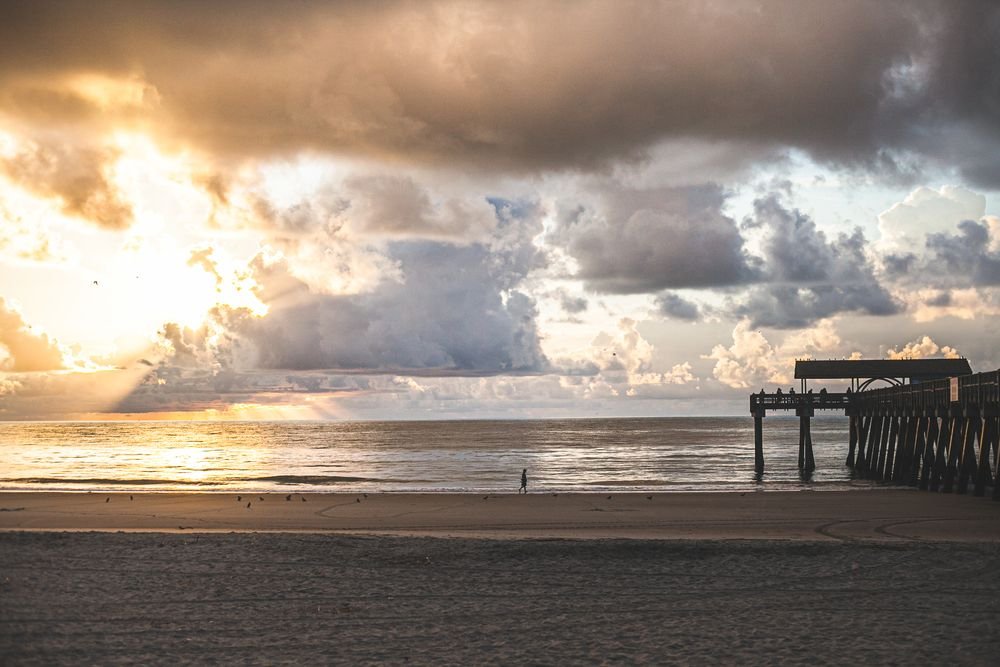
Located 18 miles east of Savannah at the mouth of the Savannah River, Tybee Island is—without a doubt—the most unpretentious beach destination on the entire East Coast.
There are no Michelin-starred restaurants here. There is no row of boutique hotels. There are no spots specifically staged for Instagram.
What you will find here is a three-mile stretch of white-sand beach, an active lighthouse you can climb for $12, a massive plate of lowcountry boil at The Crab Shack (the legendary spot where you dine over a real alligator pond), and that slow, salt-in-the-air Southern coastal grit that modern resort towns completely lack.
The Tybee Island Light Station—Georgia’s oldest and tallest lighthouse—has been in continuous operation since 1736. Climbing its 178 steps offers spectacular views of the Atlantic Ocean, Georgia’s coastal islands, and, on clear days, the distant city of Savannah. At $12 (which beautifully includes admission to Battery Garland and two hours of free on-site parking), it is an absolute steal.
Crucial Insider Tip: The Light Station is completely closed every Tuesday, so plan your week accordingly! Daily eco-cruises from popular local companies like ‘Captain Mike’s Dolphin Tours‘ depart directly from ‘Lazaretto Creek Marina’ (summer fares are around $35 per adult). The bottlenose dolphins inhabiting these tidal waters are very sociable—they often race alongside the boat and enjoy riding its wake. I have been on dolphin tours in many states, but Tybee’s tours offer the most reliable dolphin sightings.
- August Weather: 84–90°F with intense coastal humidity and typical late-afternoon Southern thunderstorms.
- Best Area to Stay: Mid-Beach or North Beach if you want a quiet historic cottage vibe, away from the noisy pier foot traffic.
- Dolphin Tracker Note: August morning cruises from Lazaretto Creek are highly recommended to avoid both the peak mid-day heat and rougher afternoon currents.
7. Big Island (Hawaii Island)
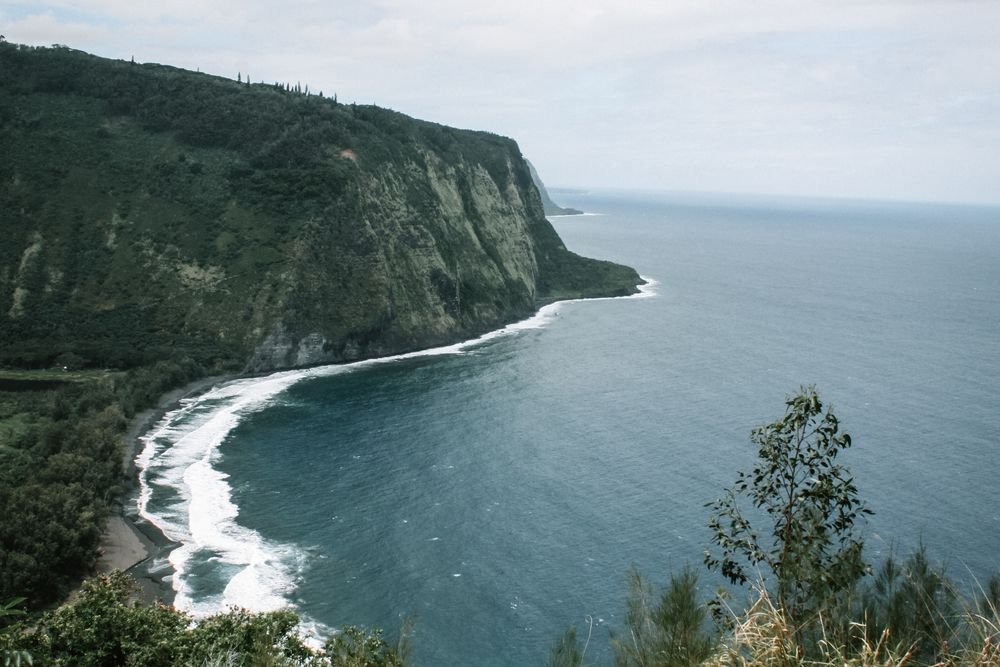
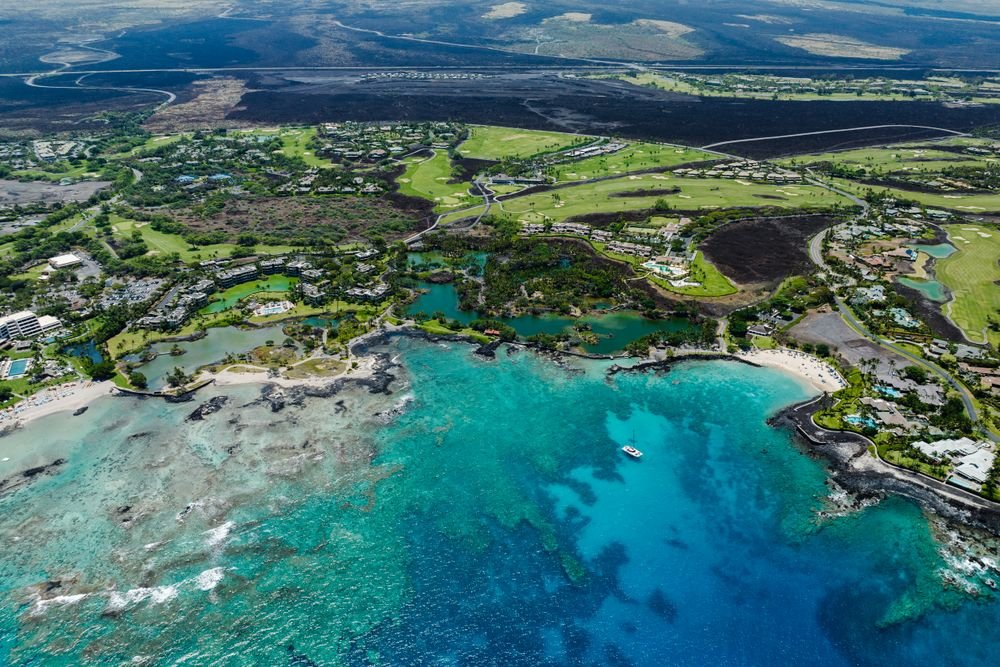
The Big Island easily stands out as one of the best islands to visit in August because of its unmatched climate diversity. I rented a Jeep and drove from Hilo’s pouring tropical rainforest at 9 AM to Kona’s barren lava fields by midday. By 3 PM, I reached the Mauna Kea Visitor Center at 9,200 feet, pulling a heavy winter parka out of my own backpack—since the visitor center doesn’t rent jackets and the air was a biting 40°F. I then drove to the 13,796-foot summit for a sunset that literally sits above the cloud layer; the colors in the sky were unlike anything I could name.
At night, I explored Hawaii Volcanoes National Park to witness Kilauea’s summit activity. Depending on the exact episodic eruption phases active in 2026, watching the raw volcanic energy from the Halemaʻumaʻu overlook under a pitch-black August sky is humbling. No camera sensor can capture that depth. The park stays open 24/7 in August and the summer weather on the Kona coast is near-perfect. South Point—technically the southernmost tip of the United States—is a remote spot requiring a 45-minute drive from the main populated areas. Standing there, you feel like you are at the edge of the world—because, in reality, you are.
- Best for: Adventure seekers, geology enthusiasts, and families who enjoy a variety of activities.
- August Weather: Sunny and dry on the Kona coast (75–88°F), while Hilo remains tropical and significantly wetter.
- Estimated Budget: $220–$390/day per person (Keeping in mind 2026 high-summer demand, peak rental car rates, and mandatory Mauna Kea 4×4 gas costs).
Pro tip: Don’t miss the Manta Ray snorkeling experience on the Kona coast. They come at night to feed on plankton attracted by underwater lights. At 9 PM, I was swimming face-down in the Pacific Ocean, watching an eight-foot manta ray circling beneath me. That was when I decided that every penny spent on the trip had been absolutely worth it.
8. Oahu, Hawaii
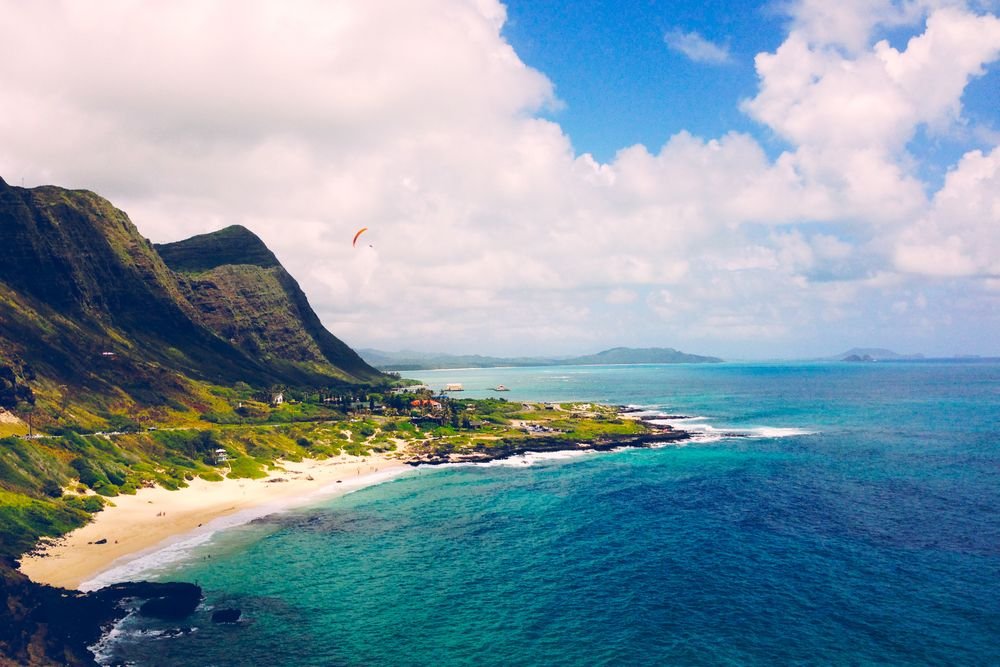
People often overlook Oahu, dismissing it as “too touristy.” They aren’t wrong when it comes to Waikiki. However, Oahu is an island with a city-like vibe—it possesses many layers that most tourists never discover.
During my late-summer stays, I always pitch my base in Kailua on the Windward Coast instead of the hectic high-rises of Waikiki. Kailua Beach is arguably one of the best islands to visit in August hotspots for raw relaxation, offering completely glassy waters at 7 AM. I love paddleboarding across the turquoise lagoon straight to the Popoia Island bird sanctuary (Flat Island), grabbing a classic condensed-milk-drizzled shave ice from historic Matsumoto Shave Ice in Haleiwa, and taking the scenic coastal cruise back as the golden light bathed everything in an amber glow.
Oahu in August: The winter surfing season on the North Shore hasn’t started yet, making swimming possible and the scenery stunning. While South Oahu’s Hanauma Bay is a snorkeling paradise, it requires strict planning. Crucial 2026 Rule: The preserve is strictly closed every Monday and Tuesday to let the marine ecosystem rest, meaning you can only visit from Wednesday through Sunday. Out-of-state visitors must secure a $25 park voucher exactly two days in advance at 7 AM HST via their official Honolulu parks portal, as slots evaporate within three minutes.
- August Weather: Average temperatures range from 82–88°F, and Hawaii’s cool trade winds keep the atmosphere very pleasant.
Best Places to Stay: Kailua (if you prefer quiet mornings and renting a home in a local neighborhood) or Honolulu/Waikiki (if you want vibrant nightlife and plenty of dining options).
Estimated Budget: $200–$450 per person/day (Oahu offers a wide range of budget options—you can save money by eating affordably at local shrimp trucks on the North Shore or splurge at luxury resorts like Kahala).
9. Kauai, Hawaii
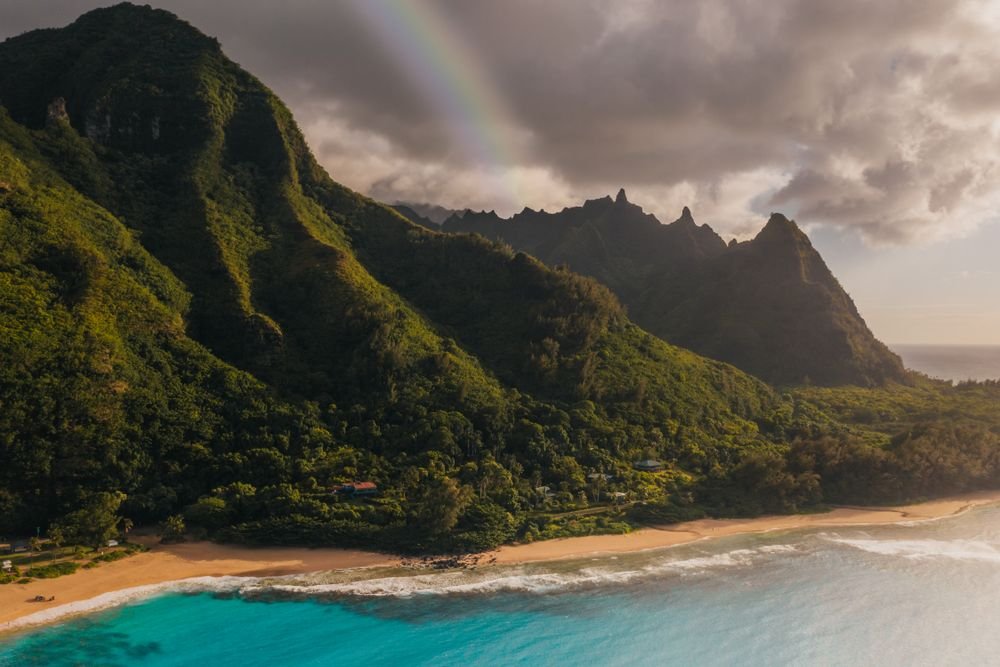
If Maui is the crowd-pleasing superstar, then Kauai is the island for those who take beauty seriously.
I arrived in Lihue on an afternoon following an August storm, with the Na Pali coastline still shrouded in clouds. By the time I started the Kalalau Trail the next morning, the sky had burst into a shade of blue that I truly cannot describe in a way that does justice to reality.
What sets Kauai apart from the other islands I’ve visited is this: there isn’t a single building taller than a palm tree—by local law. The island has worked hard to avoid becoming another Honolulu, and it shows in every stunning direction.
- Kalalau Camping Permit (Required): $35/night per person (Non-residents). Crucial 2026 Warning: This permit does not include parking. You must separately book your overnight vehicle slot at GoHaena.com exactly 30 days in advance, or book the North Shore Shuttle.
- Na Pali Coast Catamaran: $210–$260 per person. Booking a morning luxury catamaran via legendary outfits like Capt Andy’s or Holo Holo Charters out of Port Allen is worth every single penny to beat the choppy afternoon swells.
- Estimated budget: $350–$600/day for a couple (accommodation, specialty groceries, and essential rental cars cost more on Kauai during the summer season, making it one of Hawaii’s most expensive vacation destinations).
Don’t miss: Waimea Canyon. It is known as the Grand Canyon of the Pacific, and in this instance, the comparison is no exaggeration. Insider Tip: Drive up around 9:00 AM in August the late afternoon mountain evaporation patterns usually bring heavy mist that can completely white out the canyon views by 2:00 PM.
10. Chincoteague Island, Virginia
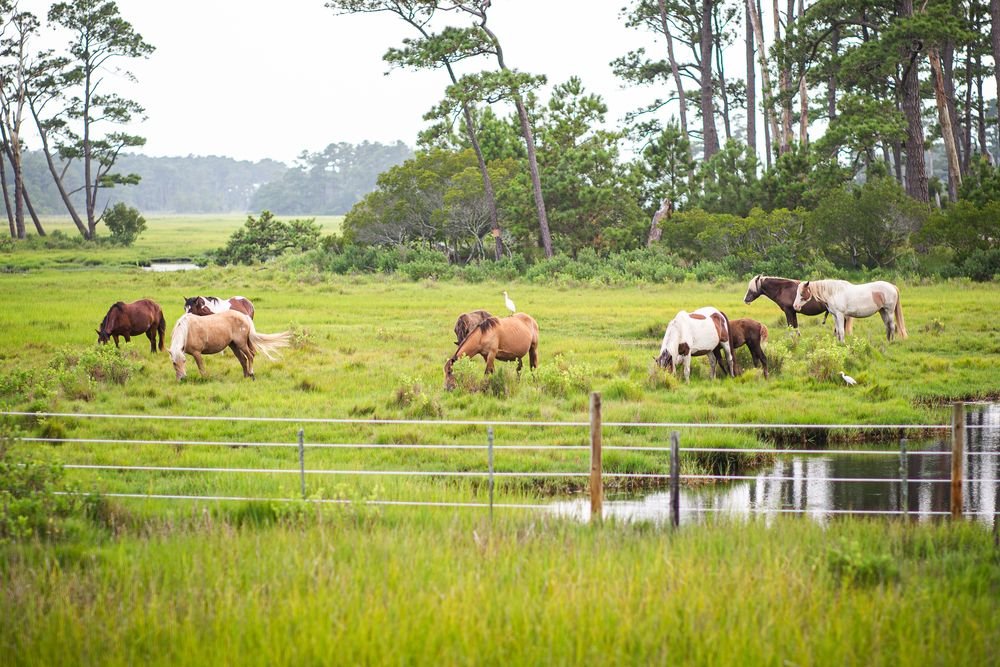
Directly across the channel from Assateague lies Chincoteague, a place vastly different from its wild neighbor: it is a small, inhabited fishing town dotted with oyster farms and crab shacks. The seafood here is simple and unpretentious, serving as a reminder of the true essence of coastal America.
While Assateague is a wilderness area, Chincoteague is a community; together, they make a perfect pairing.
Chincoteague oysters have a distinctive character—plump, briny, and incredibly flavorful thanks to the cold, clear waters of Chincoteague Bay—and while wild harvesting is closed in summer to protect spawning, local aquaculture farms provide fresh, clean triploid oysters all through August.’Island Creamery’ on Maddox Boulevard serves the best ice cream in Virginia. I stand by that claim.
Instead of checking out historical decoy museums which have recently closed down, rent a pontoon boat or book an evening eco-cruise out of the town docks. August sunsets over the Chincoteague salt marshes offer the best lighting to spot the famous wild ponies grazing right on the water’s edge.
- August Weather: 78–86°F, warm ocean waters with mild mid-Atlantic summer breezes.
- Don’t Miss: Island Creamery on Maddox Boulevard—grab a scoop of ‘Marsh Mud’ (their famous rich chocolate flavor).
- Estimated Budget: $130–$240/day per person (Highly affordable compared to typical commercial East Coast boardwalks).
11. Martha’s Vineyard, Massachusetts
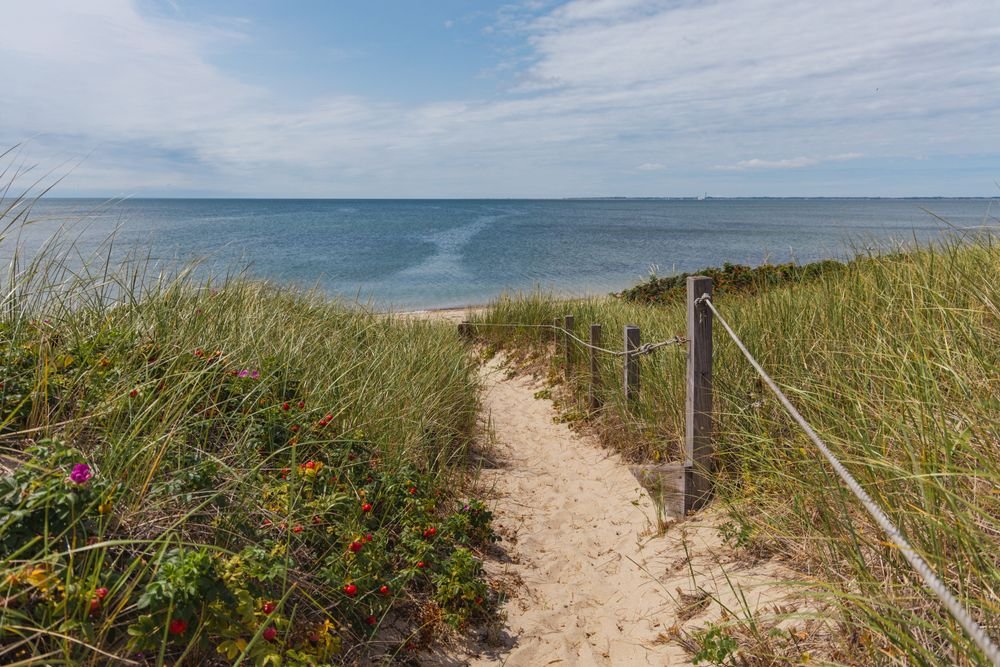
Martha’s Vineyard has a distinct reputation—as a presidential vacation spot, a summer haunt for celebrities, and a place with jaw-droppingly high prices—and that perception isn’t entirely wrong. But there is much more to the story than just that.
August is truly magical on the Vineyard. The island’s six distinct towns each have their own unique character, and the island is large enough (spanning roughly 100 square miles) that, despite the summer crowds, you can find quiet spots if you venture beyond the hubs of Oak Bluffs and Edgartown.
The ‘Gingerbread Cottages’ of Oak Bluffs—a cluster of 300 brightly colored Victorian Carpenter-Gothic homes in the Campground area—are among the most beautiful, unique, and photogenic streets I have ever seen in New England. Walking through them in the August light—with geraniums blooming in window boxes and neighbors chatting on small porches—feels like stepping into a real-life dollhouse. Insider Tip: If you sync your visit with mid-August, you’ll catch the legendary Grand Illumination Night, a historic single-evening tradition where the entire campground is lit up solely by thousands of vintage paper lanterns.
The Gay Head (Aquinnah) Cliffs on the island’s western tip are spectacular; these are towering, 150-foot-high coastal cliffs featuring layers of multicolored clay. Crucial 2026 Warning: Do not attempt to hike down or touch the clay; it is a sacred Wampanoag tribal landmark, and climbing the face carries a steep federal fine. Watching the sunset safely from the designated upper overlook in August, the cliffs shift in color from ochre to deep red and finally to purple. It is the kind of view that makes even an amateur photographer feel like a professional.
- August Weather: 72–82°F, sunny beach days with crisp, cooler New England evening breezes.
- Best Transportation Tip: Never bring a car on the ferry in August unless booked 6 months early. Rent a moped or use the highly efficient VTA (Vineyard Transit Authority) island buses for $8 a day.
- Estimated Budget: $250–$550/day per person (August is ultra-peak season; dining and boutique hotels carry a heavy high-summer premium).
12. Molokai, Hawaii
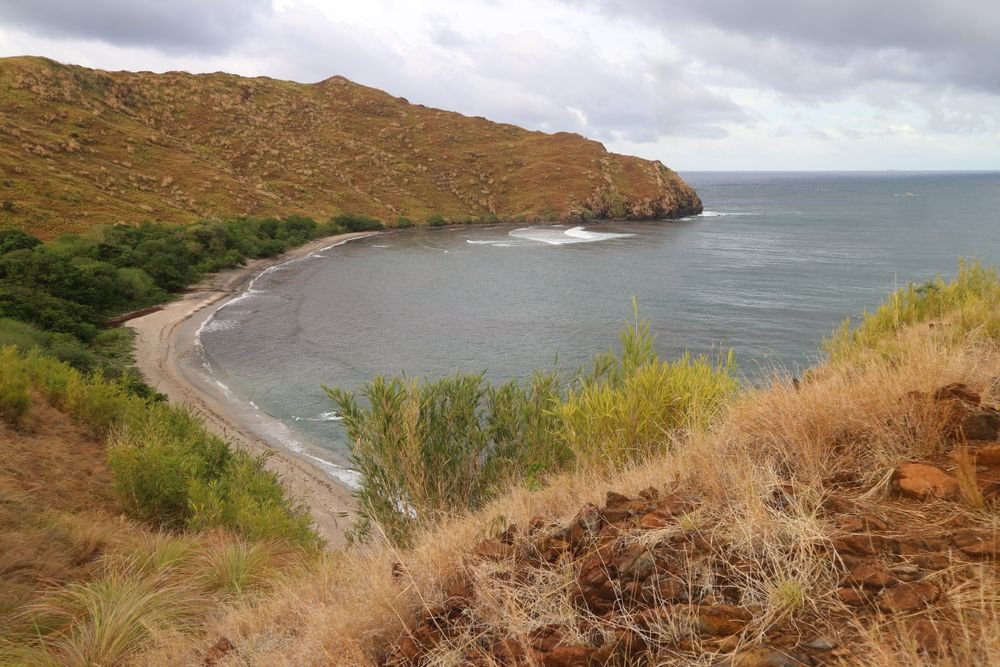
The people of Molokai voted overwhelmingly against tourism development—and won. There are no resort hotels or traffic lights on the island, and the locals proudly uphold traditional Hawaiian farming, fishing, and community values. I went there because I had grown tired of feeling like a mere ‘consumer’ in the places I had visited previously. I stayed for three days, and upon returning, I felt as though I had truly visited an authentic place.
The Kalaupapa Trail descends a grueling 1,700-foot sea cliff via 26 sharp switchbacks into the historic Hansen’s disease isolation settlement. Crucial 2026 Update: You can no longer access this sacred ground independently. Starting July 2026, the National Park Service has launched official, highly restricted ranger-led hiking tours ($20 pass plus a $1 fee via Recreation.gov) on select weekdays. Completing this solemn 8-mile trek in the heavy August humidity is emotionally heavy and physically exhausting, but deeply moving.
The truest thing I can say about Molokai is this: if you go expecting entertainment, you will be disappointed. But if you are willing to slow down and observe closely, it is the most meaningful island on this list.
- Best for: Travelers who want to experience real Hawaiian culture
- Estimated Budget: $140–$250/day per person (Since there are no public buses, renting a car at the tiny Hoolehua airport is mandatory, which impacts costs).
- August Weather: 75–85°F, mostly hot and dry on the west beaches, with heavy humidity along the northern pali cliffs.
Honest Warning: There are no stoplights or resort franchises here. The only real ‘nightlife’ is walking down a dark Kaunakakai alleyway past 10 PM to grab a hot, cream-cheese-stuffed loaf straight from the oven at Kanemitsu Bakery‘s famous back door. It is wonderfully raw.
13. Fire Island, New York
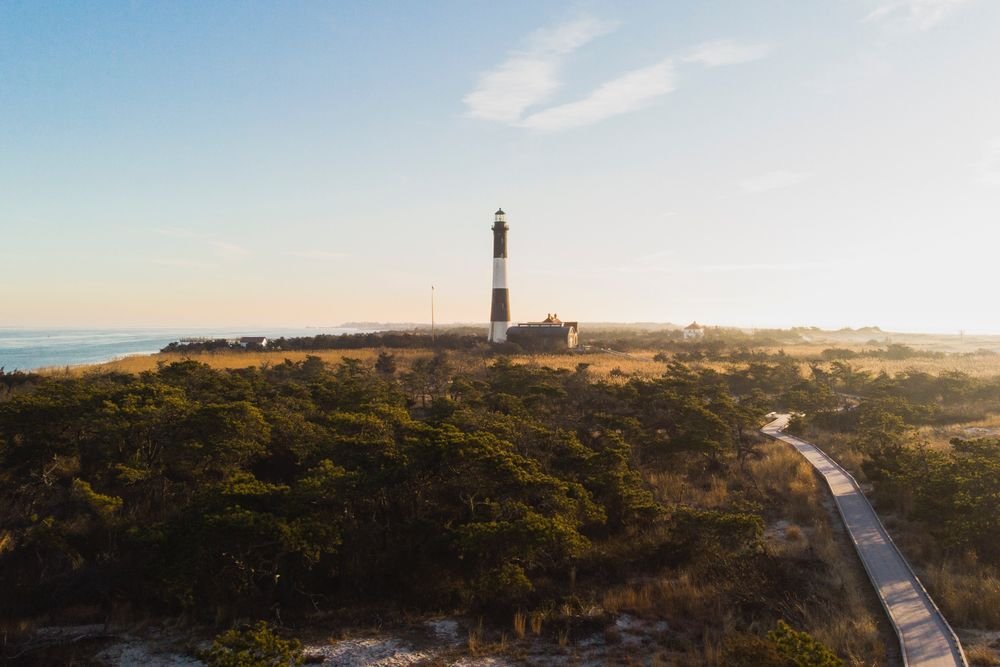
Fire Island is a 32-mile-long barrier island situated off the southern shore of Long Island. There are no roads or facilities for vehicular traffic here; instead, wooden boardwalks serve as the pathways. A ferry ride from Bay Shore or Sayville drops you off at a place where it is hard to believe you have left New York City behind—even though you are just an hour away from Manhattan.
Cherry Grove and Fire Island Pines are historic LGBTQ+ communities with a cultural legacy dating back to the 1950s. These communities were established with great care and often in secrecy; today, they flourish with a sense of belonging and pride that is truly heartwarming to witness from the outside.
The ‘Sunken Forest’—a maritime holly and shadberry forest growing in a low-lying area between sand dunes, at or below sea level—is one of the most unique and beautiful natural sites found on any island along the East Coast. The ocean beach here is warm and excellent for swimming, while the waters on the bay side are calm and ideal for children. The sunsets over the ‘Great South Bay’ in August are legendary—and for good reason.
- Getting There: Catch a passenger ferry from Bay Shore, Sayville, or Patchogue (Adult round-trips average around $26 to $28 in 2026, depending on your destination beach).
- August weather: 78–84°F, warm Atlantic water perfect for swimming
- Best For: LGBTQ+ travelers (The Pines/Cherry Grove), car-free family escapes, and coastal hikers.
Estimated Budget: $150–$300/day (Day trips from NYC are highly affordable, but beach house rentals in August carry a heavy summer premium).
August Mosquito Alert: While the Sunken Forest canopy is beautiful in August, the lack of wind between the dunes creates a haven for aggressive mosquitoes and deer flies. Do not step onto the boardwalk trail without applying strong bug repellent first!
14. Puerto Rico
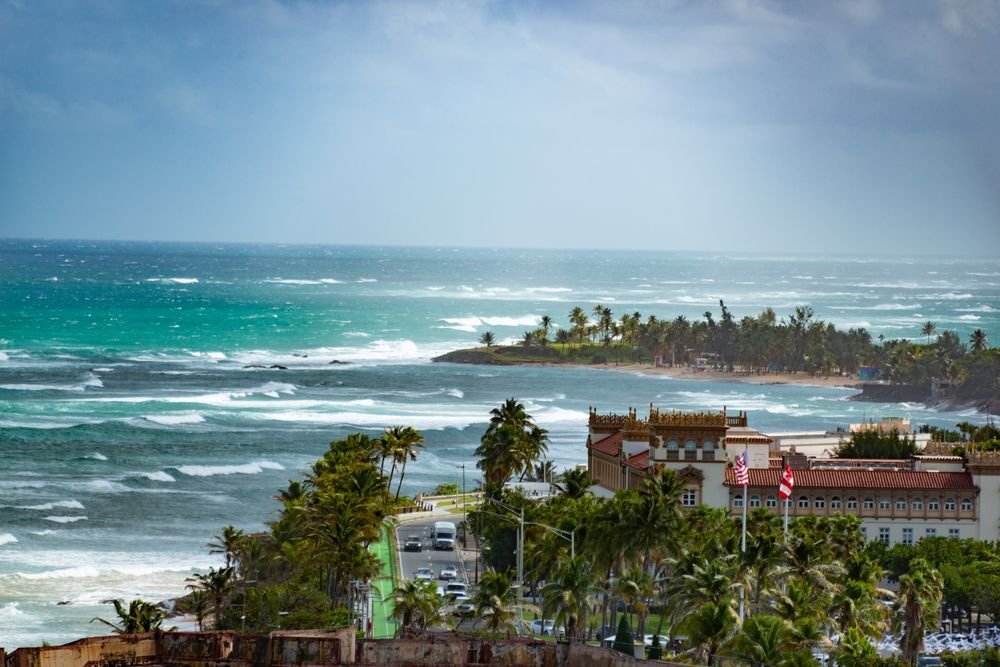
Let me be clear: Puerto Rico is the most underrated island under U.S. control. It boasts a 500-year-old Spanish fort, some of the world’s best rum, a bioluminescent bay perfect for night kayaking, and a dining scene (especially in Santurce and La Placita) that rivals any major U.S. city.
August brings the heat to Old San Juan, yet exploring remains easy. I used to wander the cobblestone streets of Old San Juan before 9 a.m., when the golden light hit the blue stones and the streets were still quiet. I ate mofongo for breakfast, lunch, and dinner on different days and never got tired of it.
The experience that truly amazed me was paddling through the red mangroves into Laguna Grande in Fajardo during the 8:30 PM eco-session (note: midnight launches are strictly prohibited by local eco-laws). With every deep slice of the paddle, trillions of microscopic dinoflagellates exploded into an ethereal blue-green fire under the pitch-black canopy. Crucial Insider Rule: Plan your trip strictly around the new moon cycle; if you book during a full moon, the natural overhead lunar light will completely wash out the glowing water effect.
Island-hopping tip: To reach the outer reefs, take the modern passenger ferry from Ceiba Terminal to Culebra. The one-way fare for adults is just $2.25, plus a mandatory $2 environmental fee for non-residents (always book weeks in advance via the ‘City Experience’ app). Once there, take a local open-air ‘público’ shuttle straight to Flamenco Beach—its clear turquoise waters and pristine white sand easily make it the most spectacular spot across all U.S. territories.
- August Weather: 84–89°F; hot, tropical, and heavily humid, with a standard chance of short afternoon showers.
- August Storm Status: While August sits squarely in the Atlantic hurricane cycle, direct strikes are statistically low. Just book fully refundable hotels and track the local NOAA alerts closely.
- Estimated Budget: $120–$260/day per person (San Juan’s high-summer resort pricing is highly competitive, offering luxury stays for a fraction of winter rates).
15. Coronado Island, California
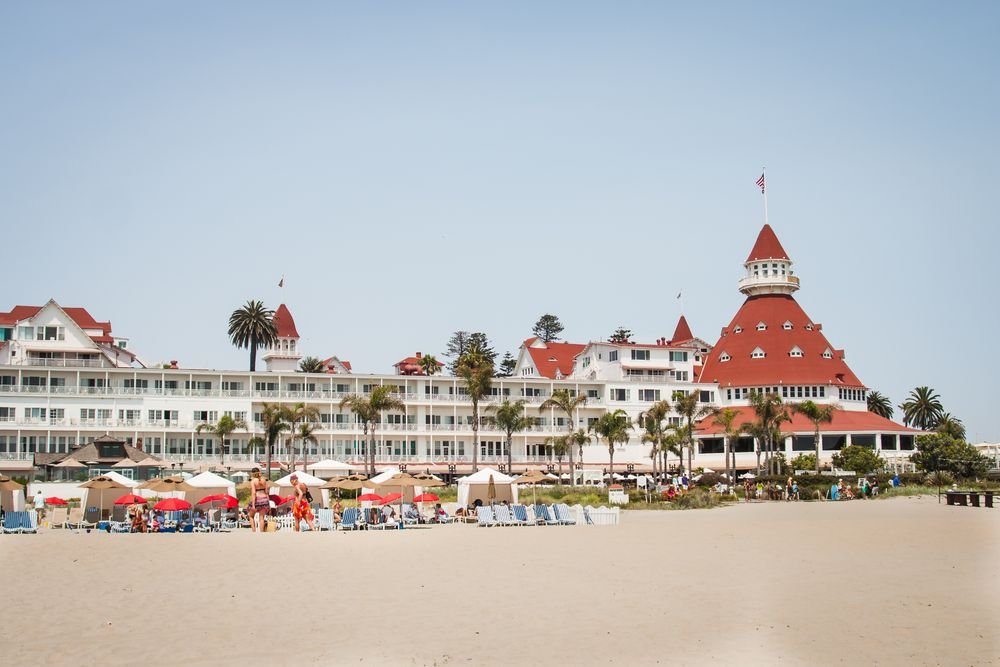
Although technically a peninsula connected to the mainland by a narrow strip of sand, Coronado functions like an island in every sense—separated from San Diego by a wide bay, accessible via a spectacular 200-foot-high bridge or a ferry, and possessing a distinct identity separate from the city across the water.
The Hotel del Coronado—built in 1888, it was the first building in California to feature electric lighting (installed by Thomas Edison himself)—is a magnificent example of Victorian architecture, characterized by red-roofed turrets and white woodwork. Even if you don’t stay here (room rates start at $400/night in August), you can stroll through the grounds; the beachfront is open to the public. Insider Update: The resort is looking sharper than ever, having recently completed a comprehensive $550 million historic restoration that earned it a spot on TIME’s World’s Greatest Places list.
The Coronado Beach bike path runs along the water’s edge with the San Diego skyline constantly visible in the background—making it one of California’s most beautiful urban cycling routes. Rent a “beach cruiser” for $15 an hour and enjoy a ride during the “golden hour” (sunset), accompanied by the reflection of the skyline in the bay.
- August Weather: 72–78°F; pristine Southern California sunshine with cooling Pacific marine layers.
- Getting There: Catch the Flagship Ferry from Broadway Pier or the Convention Center (15-minute crossing, costing $9 each way; kids under 4 ride free).
- Estimated Budget: $120–$250/day per person (Highly economical if you stick to public beach parks, local taco shops, and ferry travel).
16. St. Thomas, US Virgin Islands
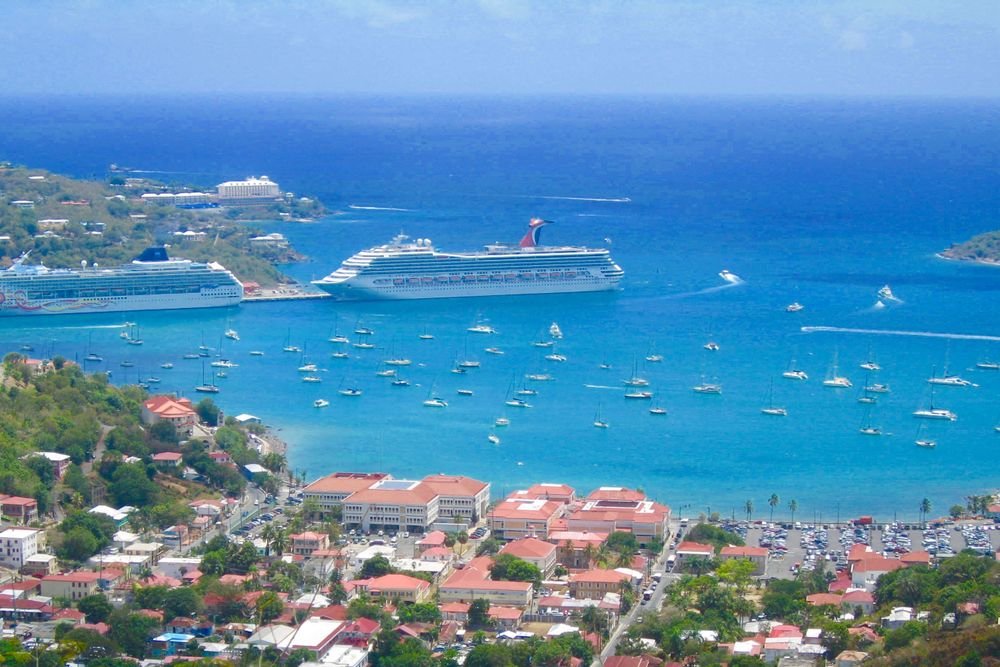
Travelers who use the word “touristy” as a pejorative might label St. Thomas just that. I, however, would describe it as “convenient and genuinely beautiful all at once.”
Charlotte Amalie stands out among the best islands to visit in August for its colonial architecture. Beyond the duty-free jewelry shops, walking up the historic 99 Steps (built from 18th-century Danish ship ballast bricks) gives you an incredible panoramic view of the harbor. Afterward, cooling off in the perfectly horseshoe-shaped, calm waters of Magens Bay feels incredibly refreshing in the high August heat.
My absolute favorite memory from late summer was chartering a small catamaran for a half-day sail out of Red Hook and dropping anchor in an unplanned, empty cove. Just cutting the engine, eating fresh mangoes, and watching brown pelicans dive-bomb for baitfish was exactly the slow-paced Caribbean escape I had been chasing.
- August Weather: 83–89°F; hot and tropical with sudden, cooling late-afternoon Caribbean rain showers.
- August Travel Advantage: High-summer hotel rates drop by 25% to 35% compared to winter, making luxury beachfront stays around Sapphire Beach highly accessible.
- Estimated Budget: $150–$320/day per person (Highly flexible depending on whether you dine at local open-air roadside shacks or high-end marina grills).
17. Lanai, Hawaii
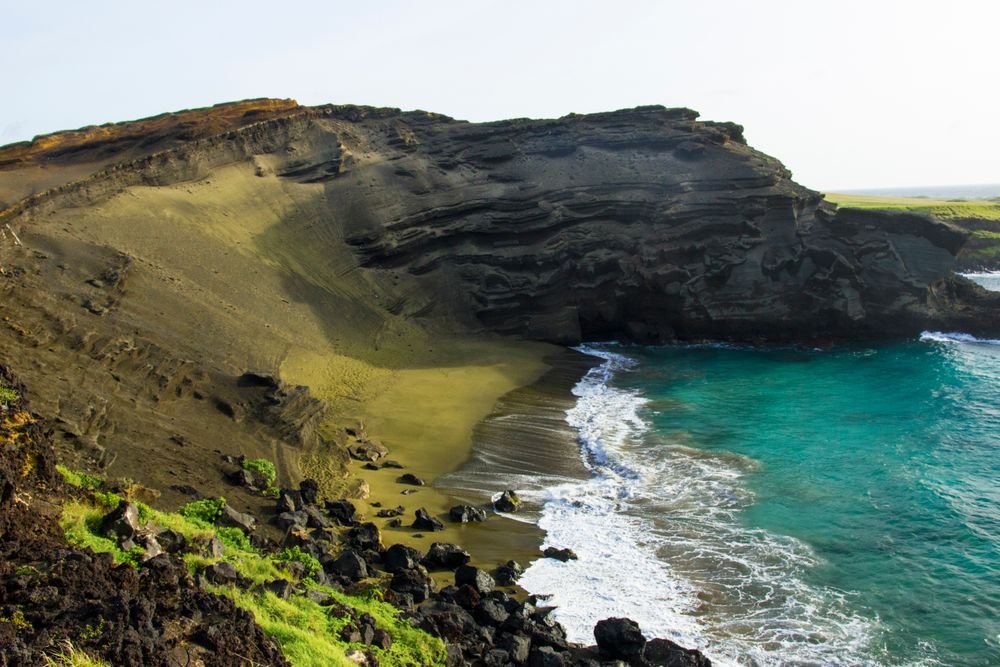
Most of Lanai is owned by Larry Ellison (yes, the billionaire from Oracle), and the island is home to two ‘Four Seasons’ resorts. It is small and quiet, yet special without being ostentatious—if you catch my drift.
The weather here is fantastic in August, and the island is incredibly peaceful. I rented a 4×4 vehicle and drove myself to ‘Shipwreck Beach.’ I also visited ‘Keahiakawelo’ (Garden of the Gods)—a moon-like landscape of red rocks—arriving during the ‘golden hour’ (sunset), when the light bathes everything in a deep red hue.
The ‘Munro Trail’—a 13-mile mountain biking and hiking route winding through pine forests, offering spectacular views of five Hawaiian islands—is an experience I will never forget.
A note on the budget: Lanai targets the ultra-luxury market. In 2026, high-summer nightly rates at the beachfront Four Seasons Resort Lanai start at a steep $1,150, while the charmingly rustic Hotel Lanai in the plantation town center serves as the only mid-range tier, starting around $380 per night. It remains an elite destination best suited for a premium getaway.
- August Weather: 74–84°F; beautifully sunny and arid across the south coast, with breezy afternoon gusts.
- Transportation Crucial Tip: Renting an official high-clearance 4×4 vehicle is mandatory—unpaved red dirt trails leading to Shipwreck Beach will easily puncture or damage a standard compact car.
- Estimated Budget: $280–$550/day per person (Excluding ultra-luxury lodging, as daily Jeep rentals and remote shipping costs drive up food and fuel costs heavily).
18. Mount Desert Island, Maine
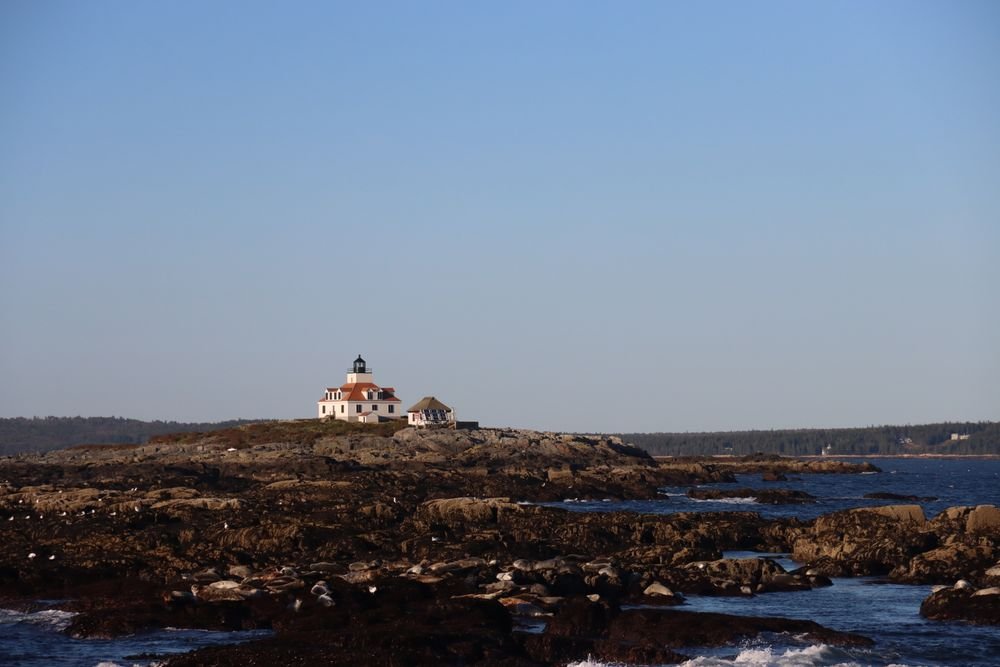
Mount Desert Island features a distinctive granite formation—the summit of Cadillac Mountain—where, from early October to early March, you can witness the first sunrise in the United States.
In August, you miss this specific window by a few weeks, but you gain incredible late-summer weather. Crucial 2026 Driving Rule: Driving to the peak between May and October requires a mandatory $6 Cadillac Summit Road vehicle reservation booked via Recreation.gov. Tickets are released in two windows (30% at 90 days out and 70% exactly two days before at 10 AM ET), so secure yours early if you plan to cruise up. Beyond the peak, August is the prime month for sea kayaking amidst pink granite cliffs, with the deep scent of balsam fir forests beautifully mingling with the salty Atlantic air.
Acadia National Park covers much of the island and is one of America’s most beautiful national parks—offering a unique blend of mountains and sea that is easily explored on foot. The crystal-clear waters of Jordan Pond mirror the reflections of the two dome-shaped mountains rising behind them. I sat at the historic Jordan Pond House, enjoyed their legendary warm, hollow ‘popovers’ with strawberry jam, and simply soaked in the lawn views. Insider Strategy: Finding a car parking spot here in August is an absolute nightmare. Skip the stress completely by taking the free Island Explorer bus shuttle directly from the Hulls Cove Visitor Center straight to the restaurant gates.
The 45-mile network of carriage roads, built by John D. Rockefeller Jr. in the early 1900s, is now reserved for hikers, cyclists, and horseback riders. In August, these smooth gravel paths wind through the shade of birch and maple trees, where the dappled sunlight creates a magical atmosphere—a beauty that compels you to pause and take it all in at a leisurely pace.
Nestled on the island’s eastern shore, the village of Bar Harbor bustles with tourists, but it is truly delightful in August—offering fresh lobster rolls, art galleries, kayak rentals, and whale-watching tours that depart from the pier every morning.
- August Weather: 65–78°F; perfectly cool and sunny for daytime tracking, dropping into the crisp 50s at night.
- Best Area to Stay: Bar Harbor (for immediate harbor walk access and infinite seafood taverns) or Southwest Harbor (if you prefer the local ‘quiet side’ of the island).
- Estimated Budget: $180–$350/day per person (August is prime peak season across DownEast Maine, making boutique lodging prices skyrocket).
Frequently Asked Questions
Q1 Which tropical US islands have the lowest hurricane risk in August?
Ans: Compared to Florida or the Caribbean, the Hawaiian Islands (Maui, Oahu, Kauai, and Lanai) face a significantly lower statistical risk of disruptions caused by major tropical storms during August. Although the Central Pacific cyclone season technically begins in late summer, direct landfalls are rare, making these islands a very reliable choice for summer vacations.
Q2. Can I plan an island getaway and a national park visit together in August?
Ans: Absolutely! At places like Mount Desert Island (Maine), you can enjoy pristine beaches while also exploring the magnificent trails of Acadia National Park. If you prefer to skip the islands and focus instead on high mountain peaks or valleys, be sure to read my detailed roadmap on the [Best National Parks to Visit in August (2026 Honest Guide] link block. It will help you discover which major parks are at their most beautiful during this time—without the heavy summer crowds.