Let me be upfront—I’ve had trouble traveling at the wrong time before. Once, I drove 14 hours to Yellowstone in mid-July, got stuck in a traffic jam inside the park gates for 45 minutes, and watched “Old Faithful” erupt while standing shoulder-to-shoulder with about 3,000 strangers. It was… okay. But I don’t travel just for an “okay” experience.
That experience changed everything. Since then, I’ve been on a quest to find the perfect time to visit, exploring America’s vast wilderness over the last 15 years. After visiting almost every major national park in the U.S.—and through a process of trial, error, and finally finding the right timing—I can say with confidence: September is the perfect time, and I have compiled this guide to the best national parks to visit in September based on actual trail conditions and data.
Pro Tip: While September offers relief from summer crowds, keep in mind that popular parks like Yosemite, Glacier, and Acadia still require advanced vehicle or permit reservations for certain routes even after Labor Day. Always secure them online through the official U.S. National Park Service Portal a few weeks prior.
Here is why September is special, based on my own experiences:
- Crowds thin out significantly—the peak summer travel season ends right after Labor Day weekend.
- Campsites and permits are easier to secure.
- Wildlife is highly active—animals are busy feeding in preparation for winter.
- The weather is ideal for long hikes—neither too hot nor too cold.
- By mid-September, the leaves in higher-altitude areas begin to change color (autumn foliage).
- You can take advantage of the National Park Service fee-free day on National Public Lands Day (September 26, 2026) to enter the parks without an entrance fee.
Now, let me tell you about the 20 best parks I’ve personally visited in September. I haven’t ranked them solely based on their beauty, but rather on how incredible the experience of visiting them is during September.
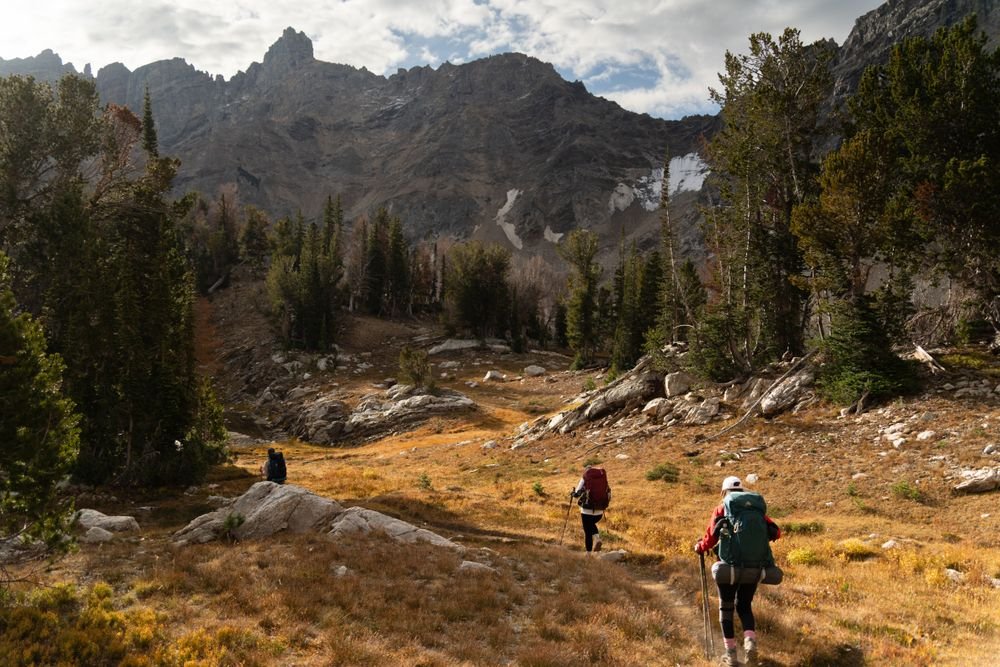
1. Yellowstone National Park, Wyoming
Everyone who visits Yellowstone in July has a story about getting stuck in traffic for an hour or seeing a crowd of 200 people gather around a bison trying to cross the road. I have such stories too. That is why I now visit Yellowstone only in September.
There is another thing about September: grizzly bears gorge on whitebark pine nuts before hibernating for the winter, so there is a lot of bear activity in Lamar Valley and Hayden Valley. I have spotted grizzly bears on three of my four trips to Yellowstone in September. On one occasion—during a trip in 2025—I watched a female grizzly and her two cubs through my spotting scope from a safe distance of at least 100 yards for 45 minutes, while everyone else was waiting near Old Faithful for the next eruption.
Quick Park Facts
- Location: Northwestern Wyoming.
- My September Rating: 9/10 (Geysers + Fall wildlife combo).
- September Avg Temps: 64°F to 38°F.
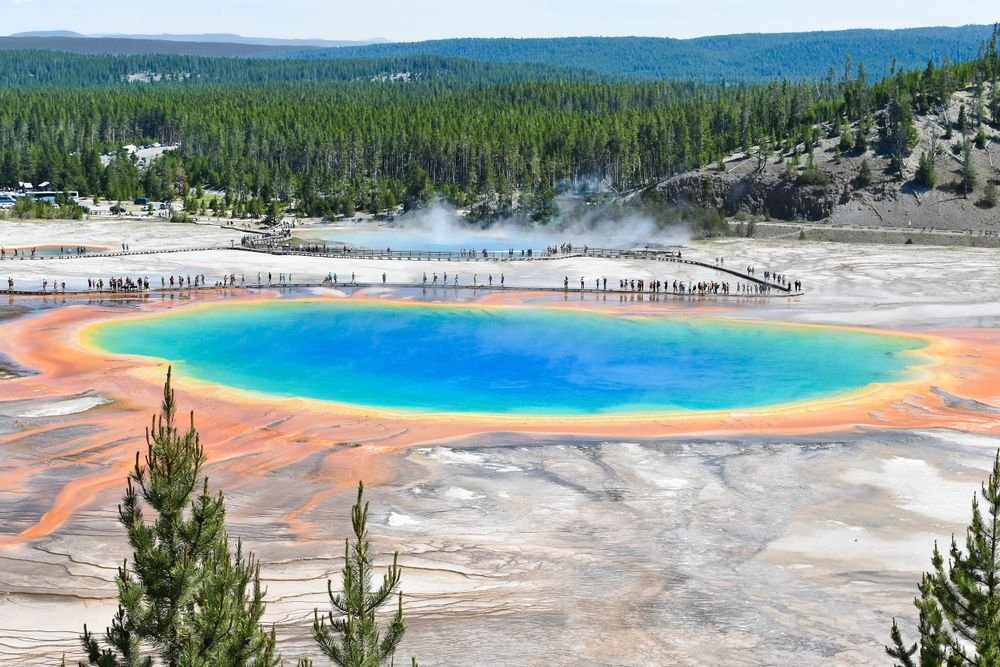
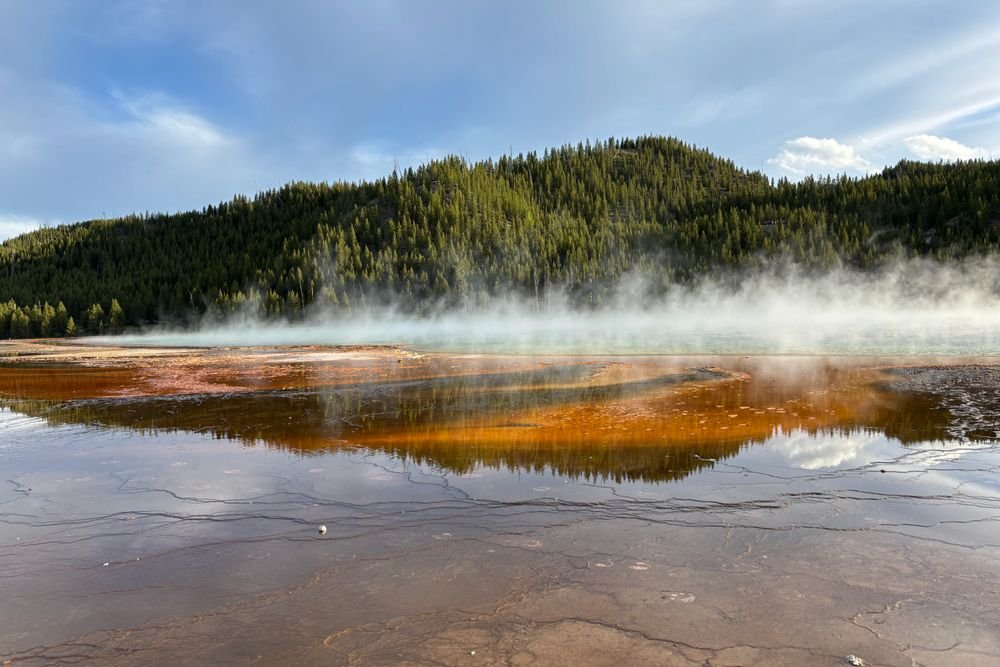
Must-see: Lamar Valley, Old Faithful, and Grand Prismatic Spring in the early morning (their colors look best in cooler weather).
Note for September 2026: The National Park Service is undergoing major bridge repairs near Mammoth Hot Springs, which includes full nighttime closures after September 7, 2026. Check live conditions via the official Yellowstone NPS Road Status Portal before driving.
Fee information for 2026: While US residents pay standard rates, a new $100 per person ‘non-resident fee’ will apply to international visitors aged 16 and older starting this season, as detailed on the official NPS Fees & Passes Page.
2. Acadia National Park, Maine
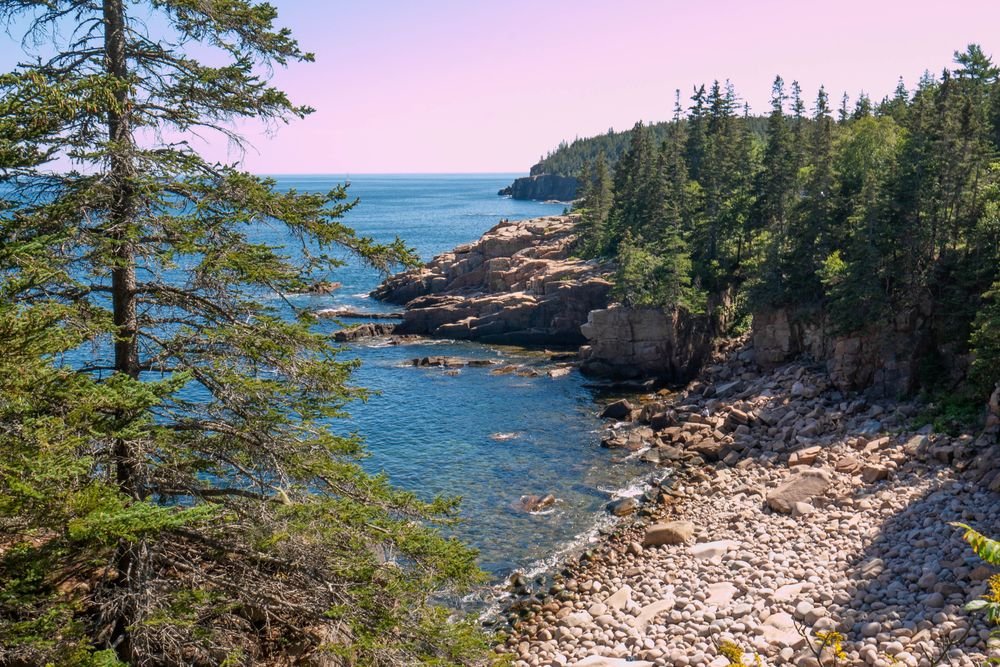
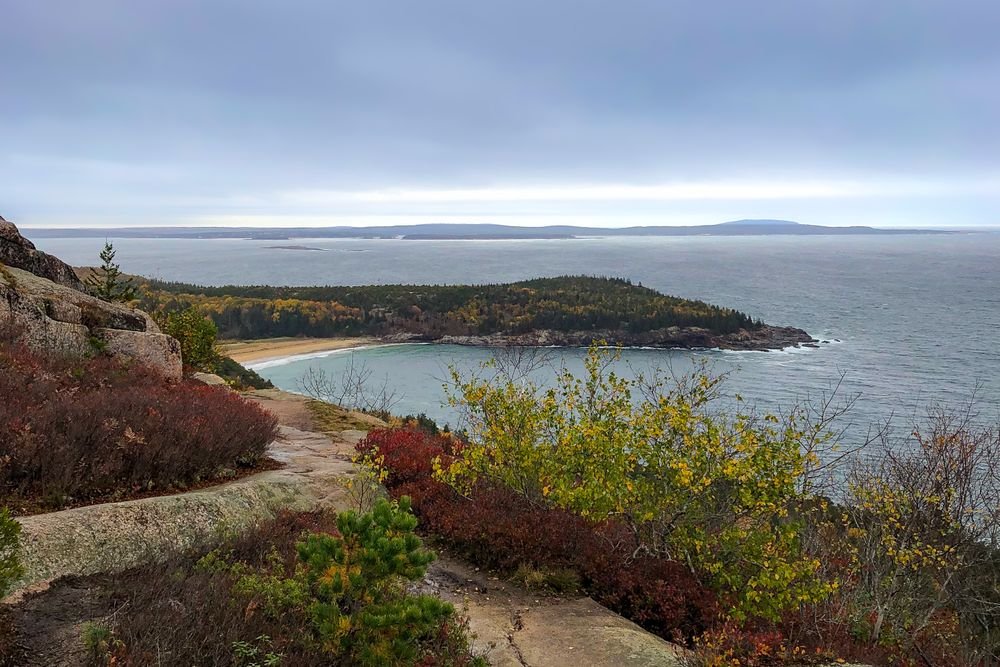
Every time someone asks me about East Coast national parks, Acadia is my immediate answer. Not because it’s the biggest or the most dramatic, but because the combination of ocean, mountains, rocky coastline, and forest in one compact, beautifully designed park is genuinely unmatched on this side of the country.
Bar Harbor — the charming town that serves as Acadia’s gateway — is at its best in September. Summer turns it into an absolute zoo of cruise ship day-trippers and peak-season pricing. After Labor Day, it becomes an actual town again. Restaurants have tables. Parking exists. People are pleasant.
My most memorable September moment here: reaching the top of the Precipice Trail (a difficult uphill path with iron stairs/rungs) on a clear September afternoon and seeing peregrine falcons soaring on the updrafts below. In summer, this trail is sometimes closed to protect nesting falcons — but by September, it’s usually open and less crowded.
The park itself: Cadillac Mountain at sunrise in September is one of the great morning experiences I’ve had in 15 years of travel. You’re standing at the highest point on the US Atlantic coast north of Brazil, watching the sun come up over the ocean, with the first hints of fall color in the trees below you. I’ve done this twice and would do it ten more times.
Quick Park Facts
- Location: Mount Desert Island, Maine.
- My September Rating: 9.5/10 — Where fall starts first.
- September Crowd Level: Moderate (Drops significantly after Labor Day weekend).
Must-dos: Watching the sunrise from Cadillac Mountain (requires a $6 vehicle reservation; 30% are released 90 days ahead and 70% just 2 days prior at 10 AM EST on Recreation.gov), the Precipice Trail, and biking on the Carriage Roads.
A helpful tip: The Precipice Trail is one of the most thrilling day hikes on the East Coast; it features rungs and ladders set into steep rock faces. If you have a fear of heights, try the Beehive Trail first.
Note for September 2026: To reduce traffic, the park’s free ‘Island Explorer’ shuttle buses operate until mid-September, but keep in mind that they do not go to the summit of Cadillac Mountain. You will need to drive your own vehicle there with a valid permit.
3. Great Smoky Mountains National Park
The Great Smoky Mountains is the most visited national park in the country — not Olympic, not Yellowstone, not Grand Canyon. The Smokies. Over 12 million visitors per year. It’s a people’s park, close to enormous population centers on the East Coast, and beloved by generations of American families.
September is the window between brutal summer humidity (July and August here can be oppressively hot and humid) and the spectacular but overcrowded peak fall foliage of October. You get perfect hiking temperatures, early fall color beginning at the higher elevations, and crowds that are meaningful but not summer-level suffocating.
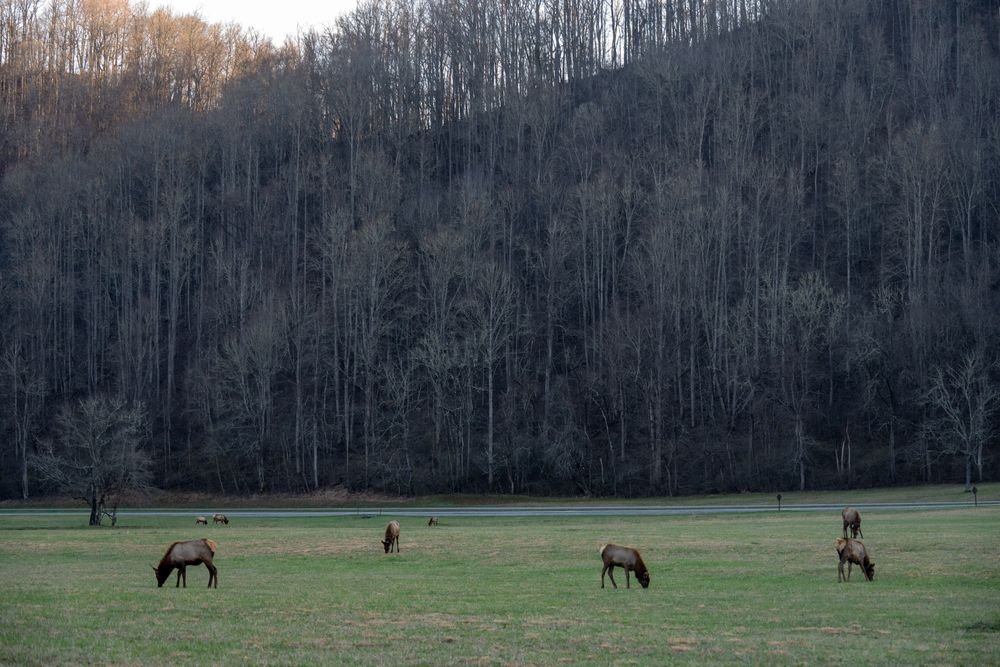
The elk herd near Cataloochee Valley — a remote part of the park accessible via a winding mountain road — is in full rut in late September. I hiked the Alum Cave Trail on a Tuesday in late September and was able to see much of the trail alone. The forest was beginning to change — reds and oranges were appearing in the upper canopy of the trees, and wildflowers were blooming along the trail. While driving, I had to stop the car twice to enjoy the view of the morning mist that had covered the valleys.
Quick Park Facts
- Location: On the TN/NC border.
- September Crowd Level: Moderate to High (Much quieter on weekdays; weekends get busy with early leaf-peepers.
- My September Rating: 8/10 — Early fall color preview
Must-sees: Alum Cave Trail (one of the best trails in the Smokies), Kuwohi (formerly known as Clingmans Dome, the park’s highest point), Cades Cove Loop (wildlife and historic buildings).
Note for September 2026: Remember that parking inside the park for more than 15 minutes requires a valid Park It Forward parking tag ($5/day or $15/week). You can purchase and print this online in advance via the official NPS Great Smoky Mountains Fees Portal, as there are no sales at the trailheads.
A piece of honest advice: avoid visiting the Smokies on any weekend in September. Visiting the park during the week is a completely different experience.
4. Glacier National Park, Montana
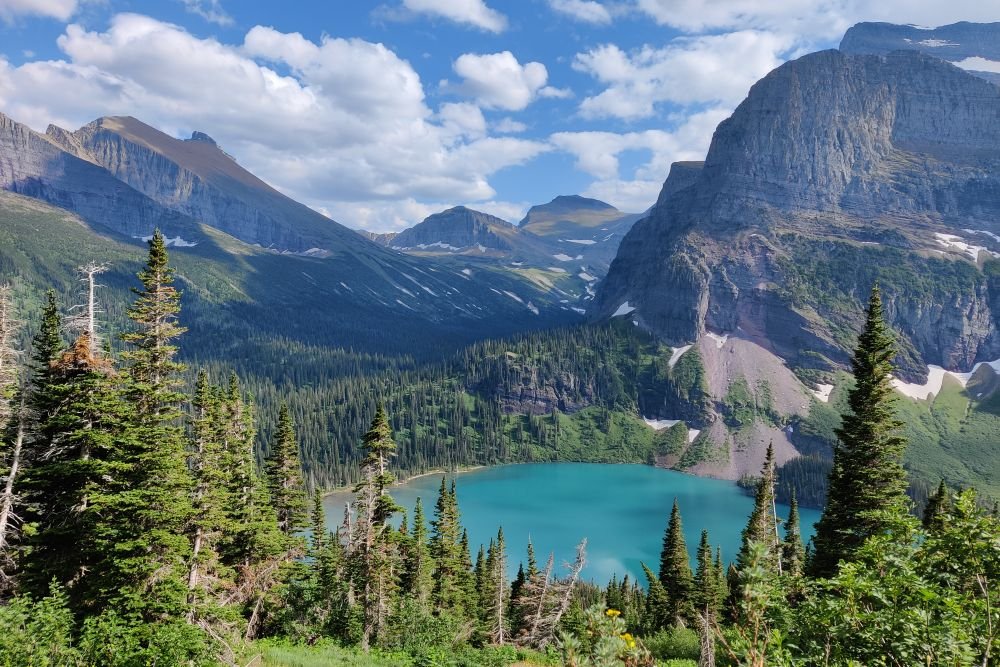
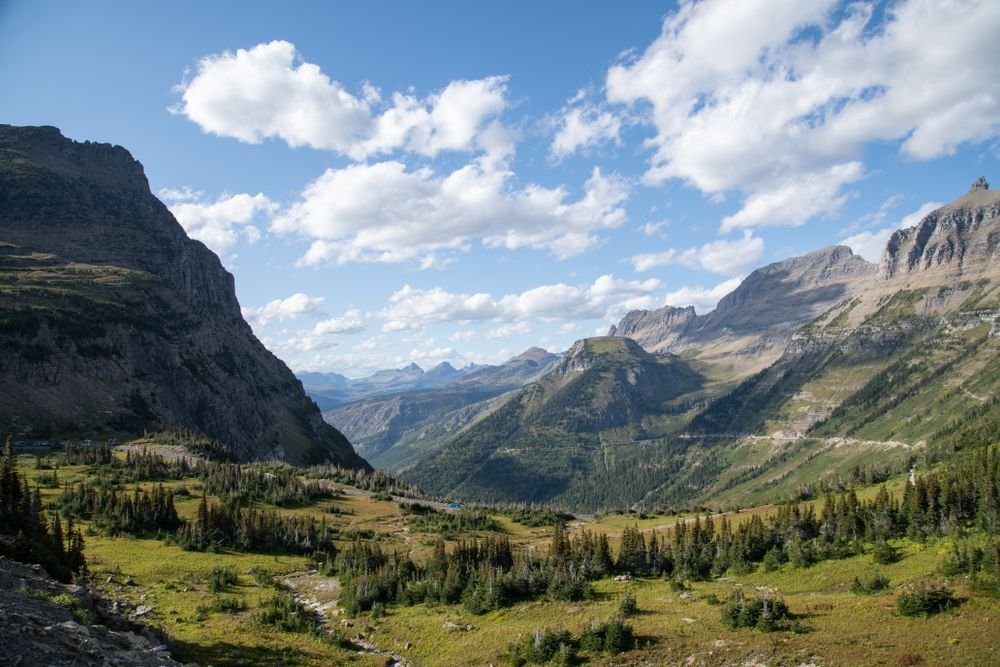
I’ll start right here, because I have spent more days in Glacier during September than anywhere else, and it is here that I have felt more alive than at any other place on Earth.
In September, the ‘Going-to-the-Sun Road’ remains fully open. You don’t encounter the crowds at Logan Pass that you see in July. One Thursday in early September, I hiked the ‘Highline Trail’ and spent twenty minutes watching a grizzly bear cross a snowfield below me. It was just me and two other hikers; aside from the sound of the wind, there was absolute silence. You don’t find moments like that in August.
By late September, the larch trees turn golden—a stunning sight against the grey granite rocks—and the first snow begins to settle on the peaks. It looks like a painting that is almost too beautiful to be real. If you want great hiking, the period from early to mid-September is best; but if you want to see colorful scenery and don’t mind the morning chill, late September is the ideal time.
A useful tip based on experience: book your accommodation at the ‘Many Glacier Hotel’ or ‘Lake McDonald Lodge’ as soon as reservations open (usually a year in advance). I learned this the hard way—by sleeping in my car during my second trip.
Quick Park Facts
- Location: Northwestern Montana.
- September Crowd Level: Low to Moderate (Drops drastically after Labor Day, making trailheads much easier to access).
- My September Rating: 10/10 (This is the ultimate park for September).
Note for September 2026: Keep in mind that the park’s official Logan Pass Shuttle Service completely ends for the season after Labor Day (September 7, 2026). For the rest of September, you must have your own vehicle to explore the Going-to-the-Sun Road.
Additionally, be aware of planned post-Labor Day roadwork on the west side of the Going-to-the-Sun Road, which introduces full nighttime closures between Avalanche Creek and Logan Pass. Always check the official Glacier NPS Road Status Portal for daily construction windows before driving.
5. Channel Islands National Park, California
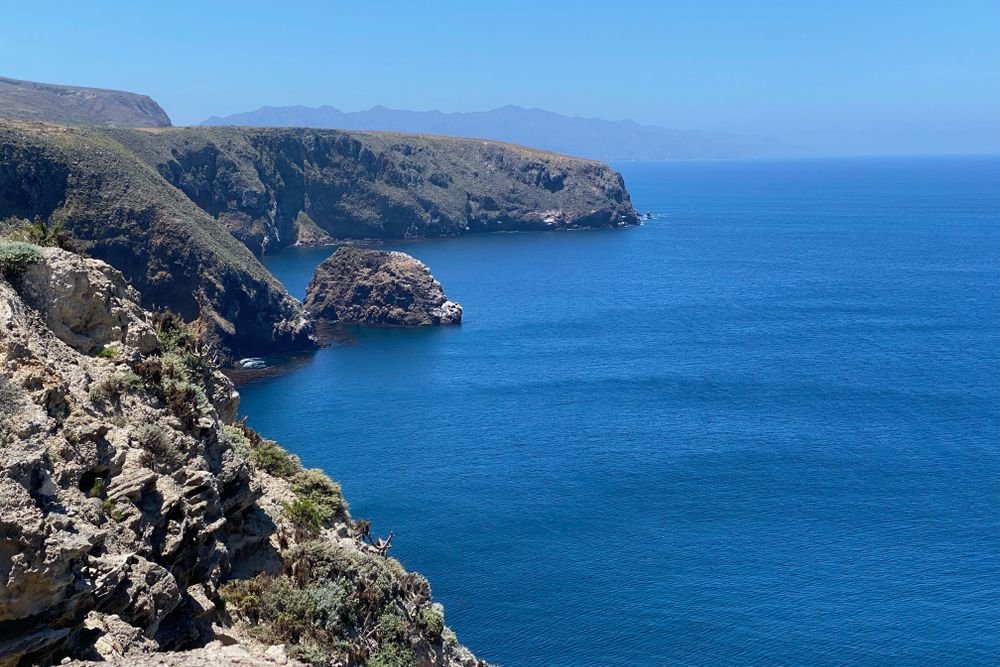
Most people drive past Ventura on the 101 and have no idea they’re 11 miles from a national park. Channel Islands require a boat or ferry to reach, and that barrier keeps the crowds low and the experience wild.
September is ideal because the Pacific water is at its warmest for snorkeling and kayaking (it’s still cold — around 62°F — but warmer than any other month). The kelp forests around Santa Cruz Island, the largest island in the park, are stunning for snorkeling. Sea lions bark from every rock.
I spent two days camping on Santa Cruz in September 2015. I kayaked in the huge sea caves on the north shore of the island. I saw sea lions. I woke up early in the morning to see a whale floating on the surface of the water 200 yards from my tent, its breath clearly visible in the cool air. I was the only one on that stretch of beach. This could happen to you in California in September.
Quick Park Facts
- Location: Off the coast of Ventura, Southern California.
- September Crowd Level: Very Low (One of the least visited parks, keeping it incredibly peaceful).
- My September Rating: 9.5/10 (The absolute best month for ocean clarity and water sports).
Must-sees: Snorkeling/kayaking around Anacapa, sea lion colonies, and catching the sunrise over Inspiration Point or Cathedral Cove on Anacapa Island.
A piece of honest advice: there are no cars or public shuttles on these islands—you will have to get around entirely on foot. Book your ferry several months in advance exclusively with ‘Island Packers Cruises,’ the park’s official boat service.
6. Zion National Park, Utah
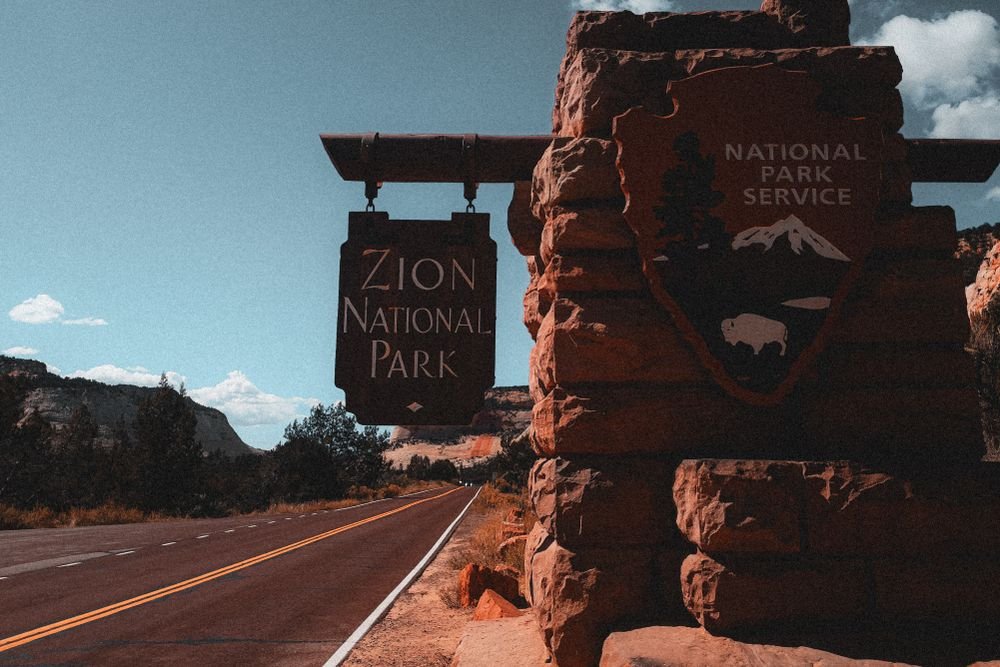
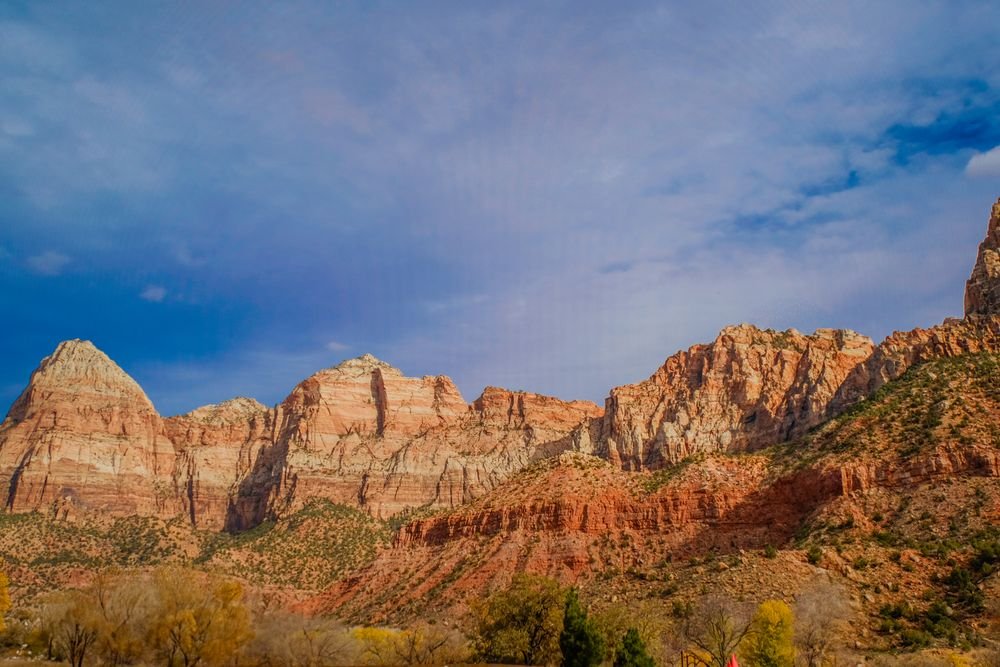
Zion is one of the most visited national parks in the country—attracting 4.5 million visitors annually—with the majority arriving in July and August. I know this because I was one of them back in 2008; I spent 45 minutes waiting for the shuttle and hiked ‘Angels Landing,’ where so many people were navigating the chain-assisted sections that it felt less like an adventure and more like a slow-moving queue at an amusement park.
In September, the vibe at Zion changes. It isn’t empty—it never is—but it feels much more open and spacious, proving why it ranks among the best national parks to visit in September for hikers seeking a unique trail experience.
The best thing to do there in September is hike ‘The Narrows.’ It is a ‘slot canyon’ hike where you walk through the Virgin River, moving upstream between red sandstone walls that narrow to just 20 feet across while towering up to 2,000 feet overhead. Water levels drop toward the end of summer, making September one of the best months for this hike. The canyon stays naturally cool, even when the outside temperature hovers around 80°F (approximately 27°C).
I undertook the ‘Top-Down Narrows’ hike—which requires a permit—in September 2021. We entered the canyon from the top at 7 a.m. For the first four hours, we were virtually alone. There was nothing but the sound of the river, the red sandstone walls, and the sky—visible far above as a narrow blue ribbon. The crowds picked up during the final mile as we neared the exit to the main canyon. Yet, those morning hours spent in solitude within the slot canyon made all the planning and effort worthwhile.
Critical note from experience: September does bring afternoon thunderstorms in Utah, and flash flooding in the Narrows is a real, life-threatening danger. Always check the flash flood risk before entering. The park issues daily risk levels — I never enter the canyon unless the park’s official daily rating is strictly “Not Expected”—regardless of how clear the blue sky looks directly overhead.
Location: Southwestern Utah.
September Avg Temps: 82°F – 55°F.
My September Rating: 9/10 — Best time for The Narrows.
Advice: Flash floods can occur in The Narrows without warning—so, in addition to the forecast for Zion, check the National Weather Service forecast for weather in the upper reaches of the canyon.
Safety and transportation information for September 2026: The Zion Canyon Shuttle operates daily throughout September, meaning private vehicles are not permitted on the Scenic Drive. Additionally, before entering the water, be sure to check the Zion NPS ‘Current Conditions Portal’ for the latest health advisory regarding toxic cyanobacteria in the Virgin River.
7. Olympic National Park, Washington
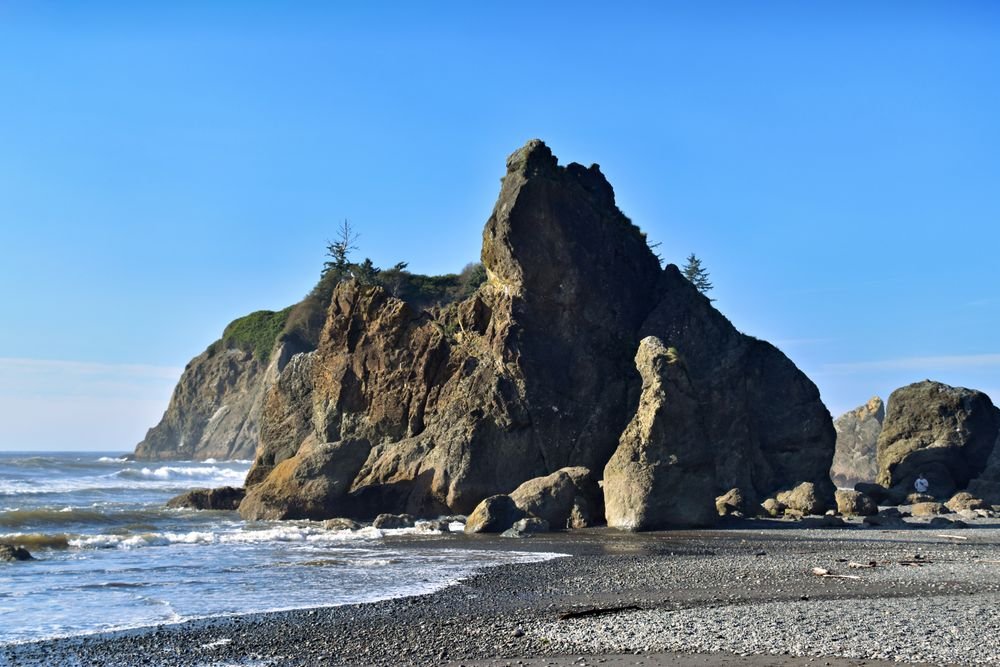
The park encompasses three distinct ecosystems: a temperate rainforest that feels like a setting from a fantasy novel; a rugged Pacific coastline featuring towering sea stacks and tide pools; and alpine meadows offering mountain vistas. I spent four days there in September, and each day felt like a completely different trip.
In fact, September is one of the driest months in Olympic—even within the rainforest. I hiked the ‘Hall of Mosses’ trail without rain gear and stayed dry. The stretch of Ruby Beach was misty, cinematic, and beautifully framed by sea stacks. (Note: Avoid Rialto Beach this season, as Mora Road faces a full construction closure through October 15, 2026). Hurricane Ridge offered unexpectedly clear views of the Olympic Mountains. And after a long day, the experience at Sol Duc Hot Springs is the kind of highlight around which you plan your entire itinerary.
- Location: Olympic Peninsula, Washington.
- My September Rating: 9/10 — Three ecosystems in one park.
- September Avg Temps: 65°F – 47°F.
Pro tip: September is the best time to visit, falling between the rainy season and the summer crowds. Don’t forget to visit Sol Duc Hot Springs—it’s a great place to relax after a long hike.
Note for September 2026: Because of active seasonal washouts and road rehabilitation projects, make sure to monitor real-time infrastructure alerts on the official Olympic NPS Current Road Conditions Portal before map routing your trip.
8. Rocky Mountain National Park, Colorado
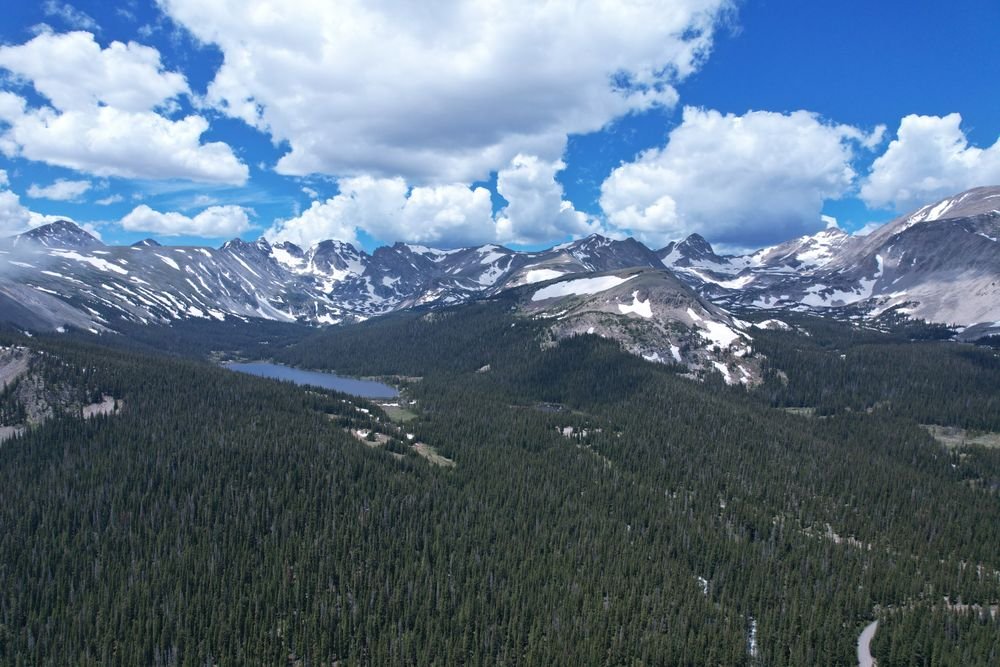
If I had to choose just one wildlife experience from my 15 years of visiting national parks, it would be witnessing the elk “rut” (their vocalizations and behavior during mating season) in Rocky Mountain National Park in September. Nothing else compares to it.
Just imagine: it is 5:45 AM. You are standing in a dew-covered meadow near Moraine Park. The sun hasn’t even risen from behind the mountains yet. And then—a sound that resonates deep within your chest. A bull elk, weighing perhaps 700 pounds, lets out a powerful call (bugling) to assert his dominance across the meadow; steam rises from his massive antlers into the cool air. Other bull elk near the trees respond in kind. That is what the sights and sounds of RMNP are like in September.
I have experienced this early-morning elk encounter four times now, and it affects me just as deeply every single time. It is the kind of experience that stirs your emotions, even if you can’t quite put your finger on why.
Beyond the thrilling spectacle of the elk, September also brings a golden transformation to the aspen trees. At lower elevations, the aspens begin to change color during the third week of September, offering what is perhaps the most underrated yet magnificent autumn foliage experience in the country.
Quick Park Facts
- Location: Northern Colorado.
- September Crowd Level: High (The autumn foliage and elk rut attract massive weekend crowds, though weekdays are slightly more relaxed).
- My September Rating: 9.5/10 (The absolute peak month for wildlife enthusiasts and photographers).
Must-see: Trail Ridge Road, Bear Lake trails (requires a strict Timed Entry Option 1 Permit between 5 AM and 6 PM; reservations open on the first of each month on Recreation.gov), and Horseshoe Park at sunset..
Pro tip: Visit Horseshoe Park in the evening for a near-guaranteed chance to see elk during the mating season (rut).
Note for September 2026: If you plan to drive along the famous ‘Trail Ridge Road,’ be aware that intermittent weekday delays may occur due to seasonal road maintenance. Always secure your ‘Timed Entry Pass’ before starting your trip and check the official Rocky Mountain NPS Timed Entry Guide for the latest information on road closures.
9. North Cascades National Park, Washington
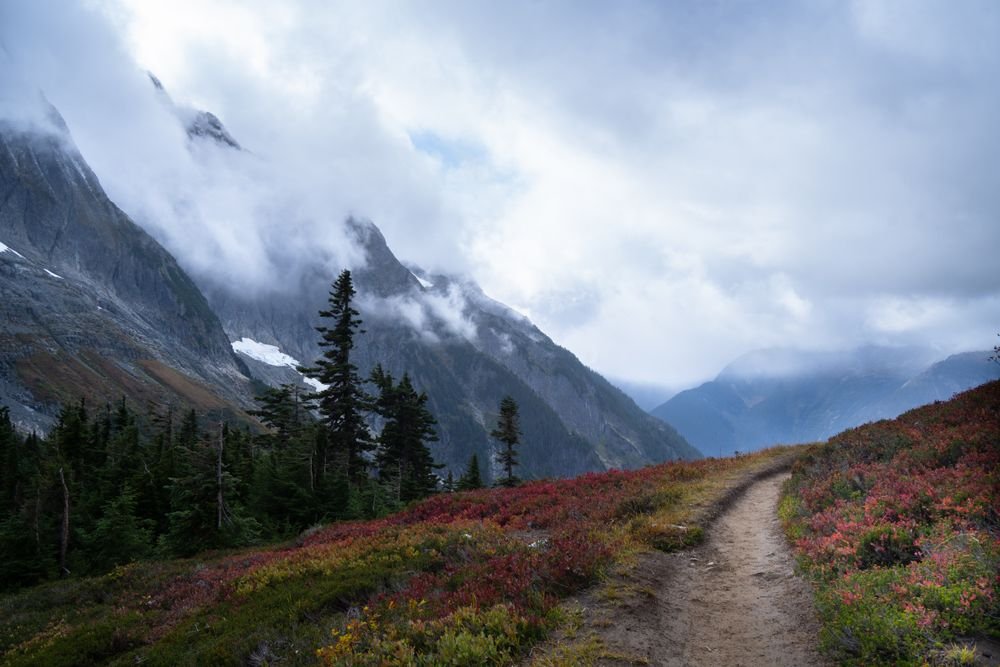
The North Cascades don’t get the recognition they deserve. Most people visit Seattle and head to Olympic or Rainier instead. However, I decided to visit the North Cascades in mid-September and was amazed by the turquoise-blue color of Diablo Lake; it truly looks as if someone altered the color using Photoshop.
In late September, the golden larch trees make their appearance—these sub-alpine larches turn a brilliant yellow-orange. The ‘Maple Pass Loop’ is arguably the best day hike in Washington State, and in late September, the trail is filled with colorful scenery.
Important update for September 2026: Due to severe winter damage that caused the wastewater plant to fail, the famous North Cascades Lodge in Stehekin has completely suspended all lodging, dining, and retail services for the entire 2026 season. Additionally, the Diablo Lake boat launch is no longer suitable for powerboat use due to heavy silt accumulation.
- Location: Northern Washington.
- My September Rating: 9/10 — America’s Alps (seriously underrated).
- September Crowd Level: Very Low (With fewer than 50,000 annual visitors, it is one of America’s least crowded parks, though Maple Pass gets busy during late September larch season).
Pro Tip: Highway 20 (North Cascades Highway) faced emergency reconstruction delays earlier this year. Before planning your drive, always double-check live trail access and facility openings on the official North Cascades NPS Conditions Portal.
10. Badlands National Park
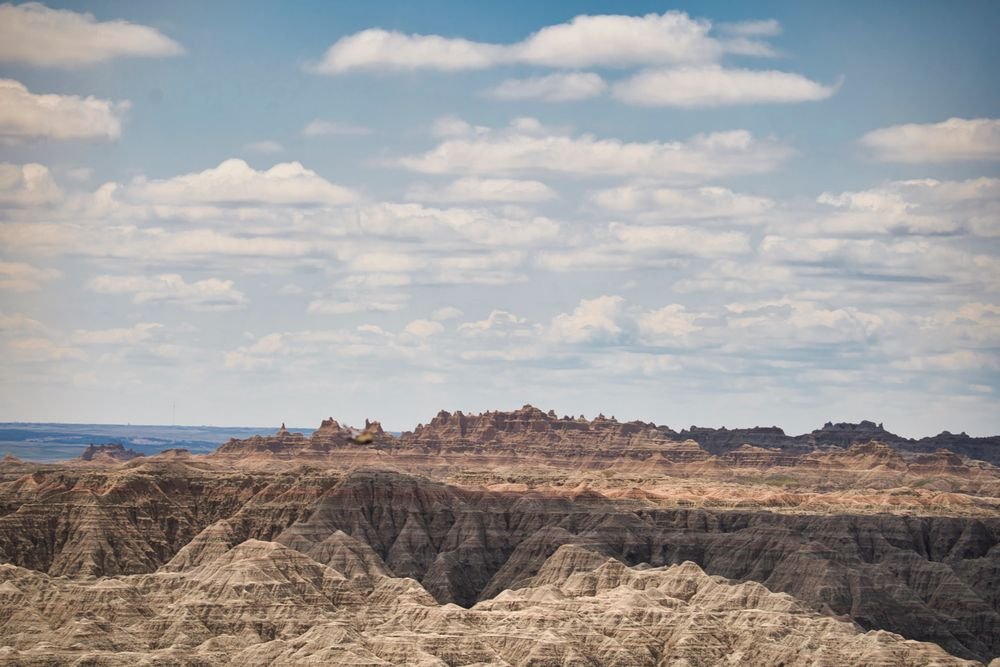
The Badlands feel like the set of an otherworldly movie—and I mean that as a compliment. Across the plains of South Dakota, rugged peaks, buttes, and hills in shades of gray, tan, and rust spread out in such bizarre formations that your mind struggles to comprehend or categorize them. NASA has even used the Badlands to test terrain for Mars rovers.
What I love most about the Badlands is the night sky. It is a certified ‘Dark Sky Park’; on a clear, moonless September night, the Milky Way overhead is so distinct that it almost resembles a cloud. I specifically planned my trip for late September 2019, around the time of the new moon, to witness this very sight. Lying in my sleeping bag outside my tent at 1 a.m.—watching satellites drift across the dense band of stars overhead and observing the silhouettes of the surrounding rock formations—is a memory that will stay with me forever.
Quick Park Facts
- Location: Southwestern South Dakota.
- September Crowd Level: Low (The extreme summer heat breaks and family vacationers head home, leaving the overlooks beautifully quiet).
- My September Rating: 9/10 (The absolute perfect month for crisp night-sky stargazing and open backcountry hikes).
Must-sees: Notch Trail, Fossil Exhibit Trail (where fossils are visible on the ground), Sage Creek Basin (for spotting bison herds), and the sunrise view from Badlands Loop Road.
Pro tip: Combine this with visits to Wind Cave National Park, Jewel Cave, and Custer State Park for a fantastic South Dakota road trip.
Important information for September 2026: If you are planning to visit these nearby parks in the Black Hills to the west, be prepared for delays and detours due to major construction on U.S. Highway 385. The highway is undergoing complete reconstruction through the fall of 2026. Always check live traffic conditions via SDDOT before driving.
11. Arches National Park, Utah
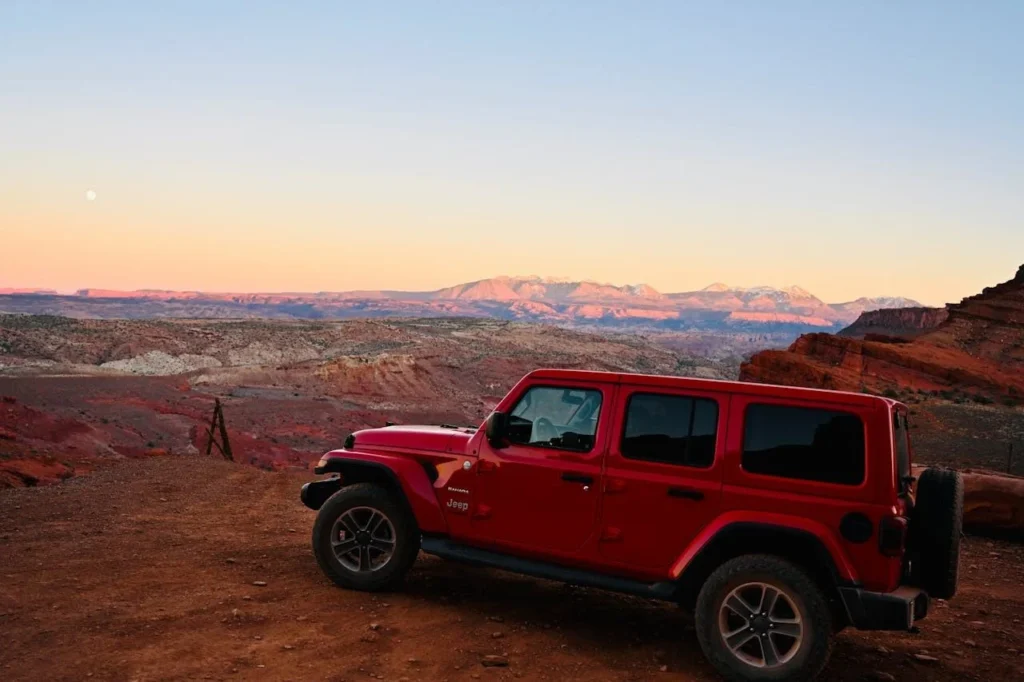
I went to Arches thinking I’d spend two hours and move on. Two days later I was still there, convinced I hadn’t seen enough With the National Park Service completely dropping the vehicle reservation system for 2026, September entry is entirely open. However, this means you must arrive before 8:00 AM to secure parking in the Valley, though the cooling temperatures make the afternoon hikes incredibly pleasant.
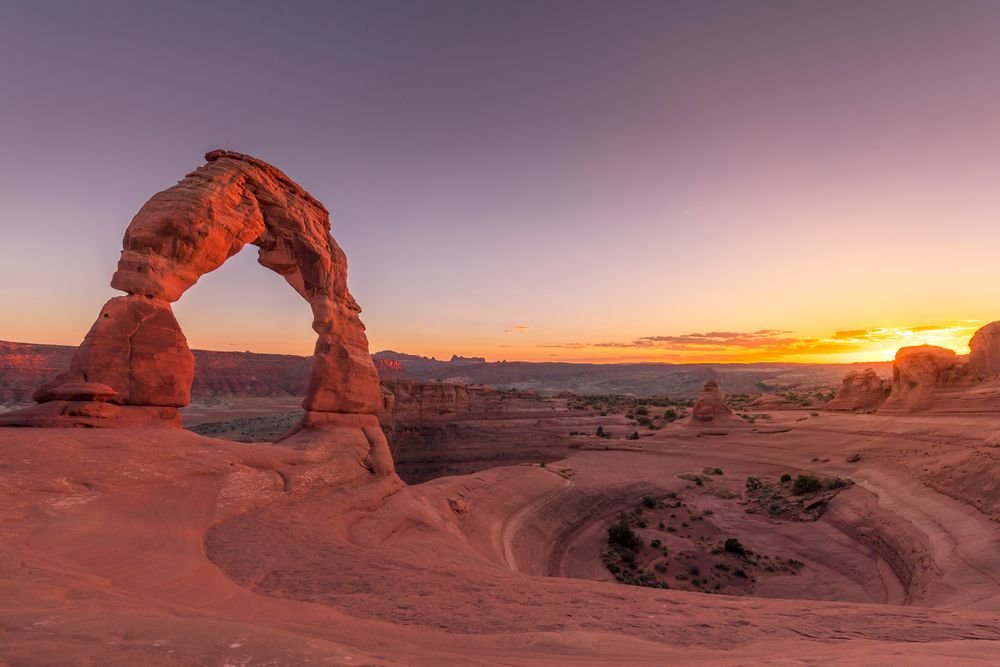
Delicate Arch at sunset is the postcard photo every traveler knows — but standing inside Landscape Arch, the tallest natural arch in the Americas, with only a handful of people around and the desert completely quiet, hit me differently. It’s delicate enough that rangers say it could collapse at any time. Standing under it and understanding that makes you feel something complicated and beautiful.
Quick Park Facts
- Location: Southeastern Utah (September).
- Crowds: Above average (crowds aren’t overwhelming due to timed-entry limits, though popular viewpoints do get busy during the day).
- My rating for September: 9/10 (excellent weather for hiking, as the intense summer heat subsides and daytime temperatures hover around a comfortable 85°F).
Must-sees: Delicate Arch at sunset (plan for a 3-mile round-trip hike), Landscape Arch, and the Devils Garden Trail.
Pro tip: Mandatory timed-entry permits are required daily between 7 AM and 4 PM through October 31, 2026.
Note for September 2026: These passes are released on a rolling basis up to seven months in advance (permits for September became available starting February 1). Secure a reservation for your vehicle as soon as possible via the official Recreation.gov Arches portal.
12. Sequoia & Kings Canyon National Parks
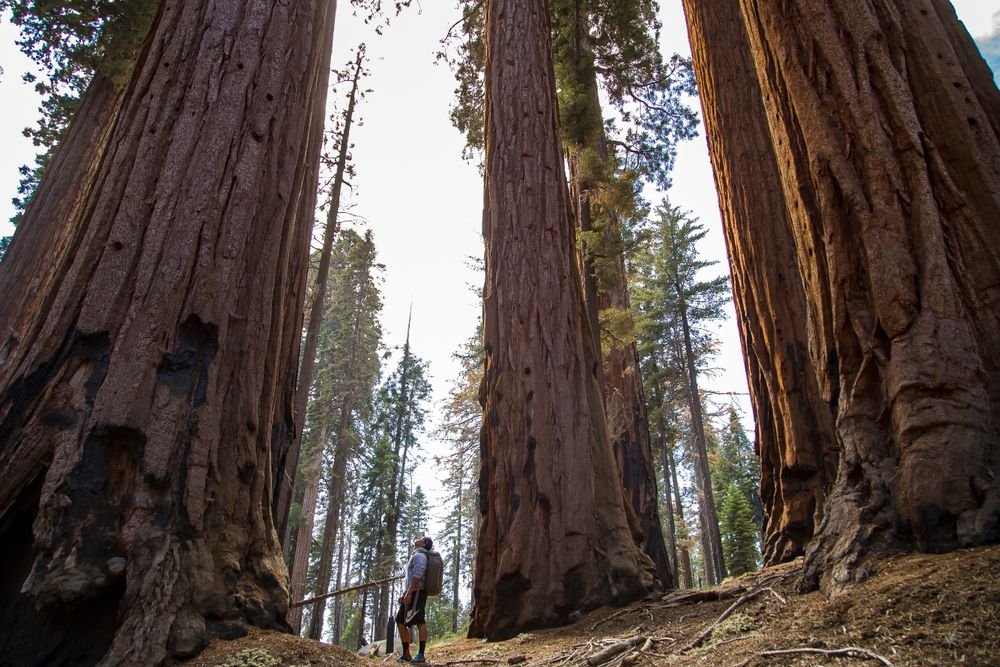
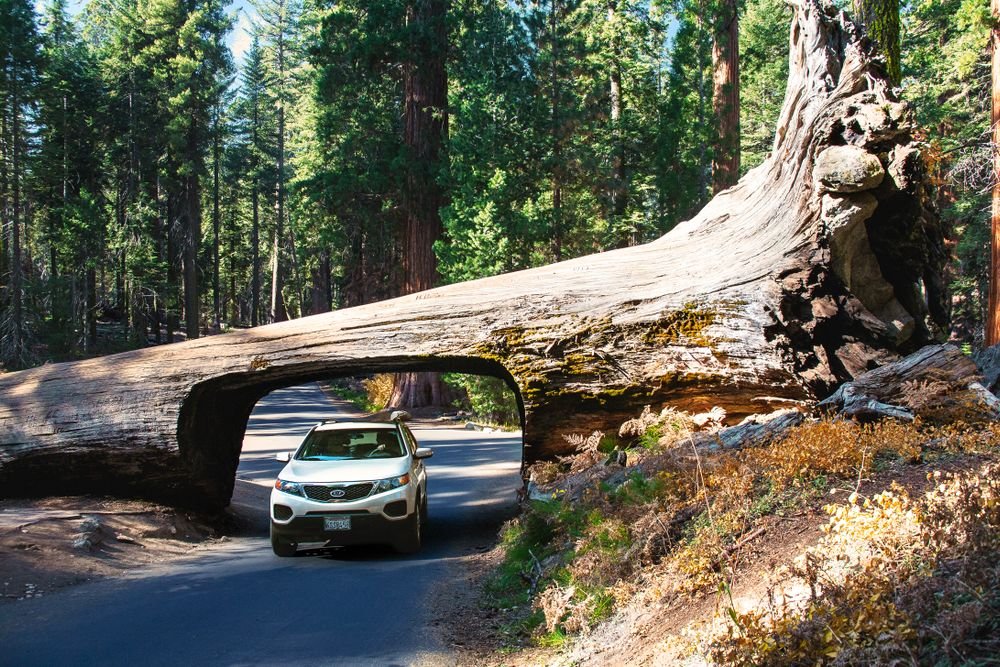
These two neighboring parks are managed jointly and offer distinct, spectacular experiences. Sequoia is home to the world’s largest trees (by volume)—seeing the ‘General Sherman Tree’ will truly make you stop in your tracks. Kings Canyon features a magnificent gorge that rivals Yosemite in beauty, yet it sees far fewer visitors.
September is the best time to visit, and there is a key reason for this: after the intense heat in the lower elevations, the temperatures become perfect for long hikes. Hiking amidst the giant sequoias is an extraordinary experience—these trees are over 2,000 years old, and standing among them gives you a profound sense of their age. When I first stood near one in September 2013, I felt a genuine shift in my perception of time and scale.
Location: Central California Sierra Nevada.
September Crowd Level: Low to Moderate (Significantly less crowded than Yosemite, with parking spaces easily available at Grant Grove and Giant Forest).
My September Rating: 9/10 — Giant trees + pleasant temperatures.
Must-visit spots: General Sherman Tree, Moro Rock (360-degree views), Kings Canyon Scenic Byway, and Zumwalt Meadow (Note: Due to past storm damage, the full boardwalk loop remains closed for 2026; you can only hike it as a short out-and-back trail up to the river opening).
Pro tip: Stay at Wuksachi Lodge inside the park—bookings fill up even in September, so plan ahead.
Note for September 2026: Several secondary roads and deep backcountry campgrounds (like Buckeye Flat) face ongoing weather-related closures this season. Always verify real-time facility openings and active fire restrictions on the official Sequoia & Kings Canyon NPS Current Conditions Portal before map routing your trip.
13. Yosemite National Park, California
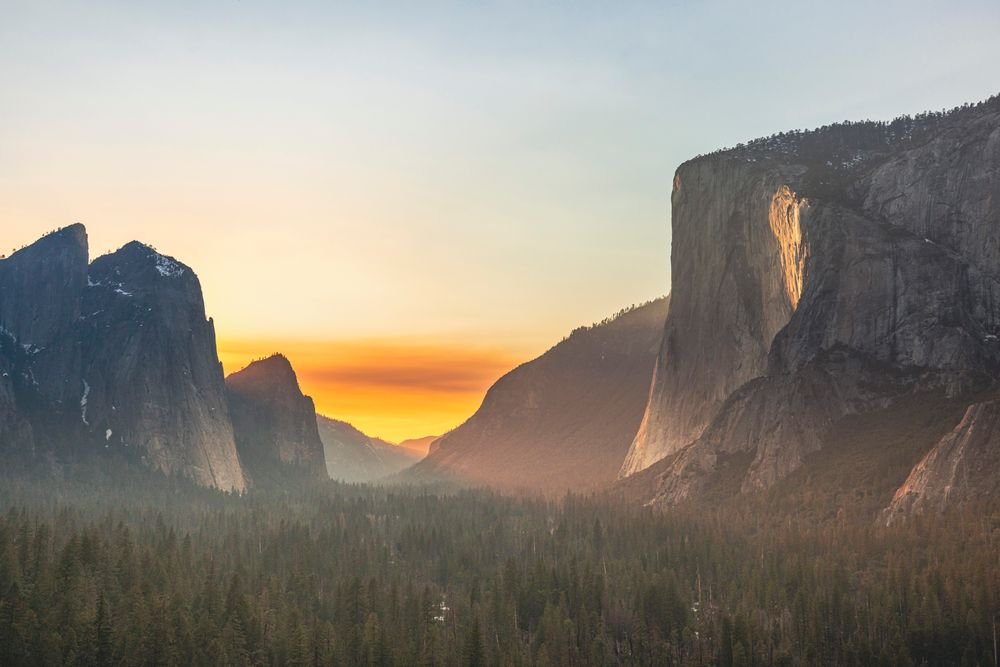
I am going to share some details about Yosemite in September that most travel blogs overlook: this is when the waterfalls are at their lowest flow. By late summer, Yosemite Falls is reduced to a mere trickle, and Bridalveil Fall also loses much of its vigor. If you have seen photos of roaring waterfalls in Yosemite Valley, they were likely taken in April or May.
September is a great time to enjoy the high country. Tuolumne Meadows, situated at an elevation of 8,600 feet, looks spectacular in September and can be reached on foot from the Valley via the John Muir Trail. While the Valley does see crowds, they are significantly smaller than in July or August.
In early September 2016, I hiked to the summit of Half Dome via the Cables Route using a permit obtained through the lottery system. I set out from the trailhead at 5:00 AM and reached the cable section by midday, finding it uncrowded. Standing at the summit—8,842 feet up—and gazing out at the Sierra Nevada, I truly appreciated the magnificence of this country’s natural landscapes. That is the real joy of hiking in September.
Quick Park Facts
- Location: Central California Sierra Nevada.
- September Crowd Level: Moderate to High (Lower than mid-summer, but due to the absence of entry permits in 2026, weekends remain heavily congested).
- My September Rating: 8.5/10 (Superb for high-country hiking on Tioga Road, though the dry Valley waterfalls drag the score down a bit).
Don’t miss: Valley Floor Loop, Tunnel View at sunrise, Mirror Lake Reflection Hike.
Pro tip: The Half Dome permit lottery is extremely competitive. Enter the pre-season lottery in March for the best chances. Day-of permits are available, but securing one at the trailhead requires a great deal of luck.
Note for September 2026: There are no restrictions on daytime gate entry this season, so parking in Yosemite Valley often fills up early in the morning. Always check for live traffic diversions before heading to the gate and look for real-time updates on the Yosemite NPS entrance reservation guide.
14. Grand Teton National Park
Pair this with Yellowstone — they’re less than an hour apart — but don’t treat it as an afterthought. I made that mistake my first time through Wyoming and I’ve regretted it ever since.
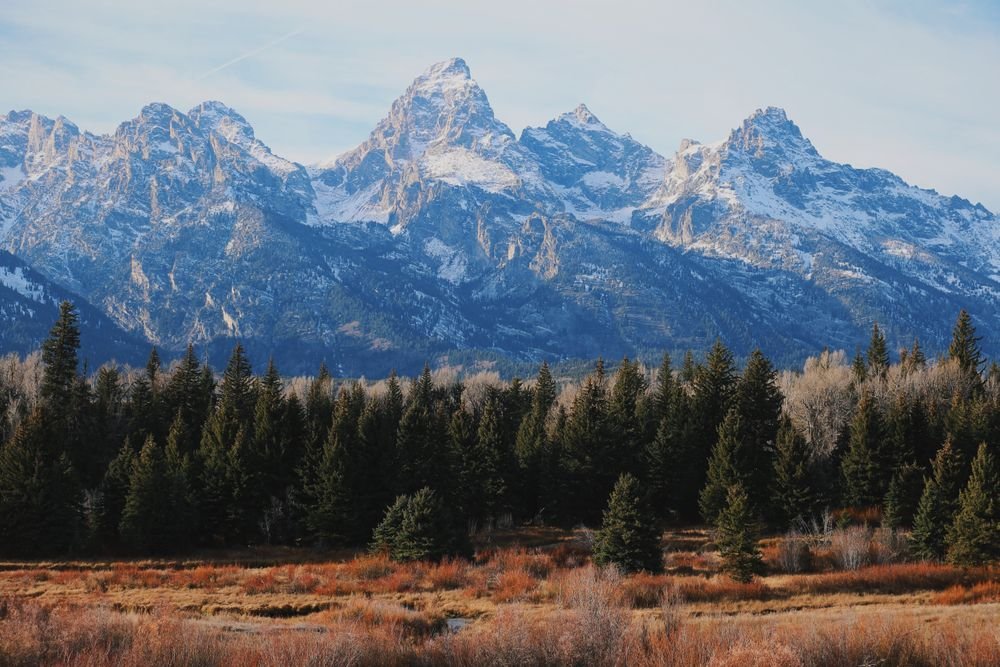
Grand Teton in late September has the Tetons themselves reflected in String Lake surrounded by yellow cottonwoods. I’ve taken a lot of photos in national parks over 15 years. That morning at String Lake is still in my top five. The elk rut is happening here too, and Antelope Flats Road in September is one of the best wildlife drives in the country.
- Location: Northwestern Wyoming, just south of Yellowstone.
- September Avg Temps: 65°F – 38°F.
- My September Rating: 9.5/10 — Photography perfection.
Must-sees: Delta Lake hike (challenging but rewarding), Oxbow Bend at sunrise, Snake River Overlook.
Pro tip: The Laurence S. Rockefeller Preserve is a visual masterpiece, but Crucial Update for September 2026: Starting September 8, 2026, the Moose-Wilson Road segment between Moose and the LSR Preserve faces a full infrastructure closure. Additionally, Death Canyon Road and its trailhead are completely closed for the entire season. Plan for long delays near the Moose Entrance roundabout construction and access Phelps Lake from alternative open trails instead.
Before heading out, always verify the active weekly detour maps and construction timelines on the official Grand Teton NPS Road Construction Portal.
15. New River Gorge National Park
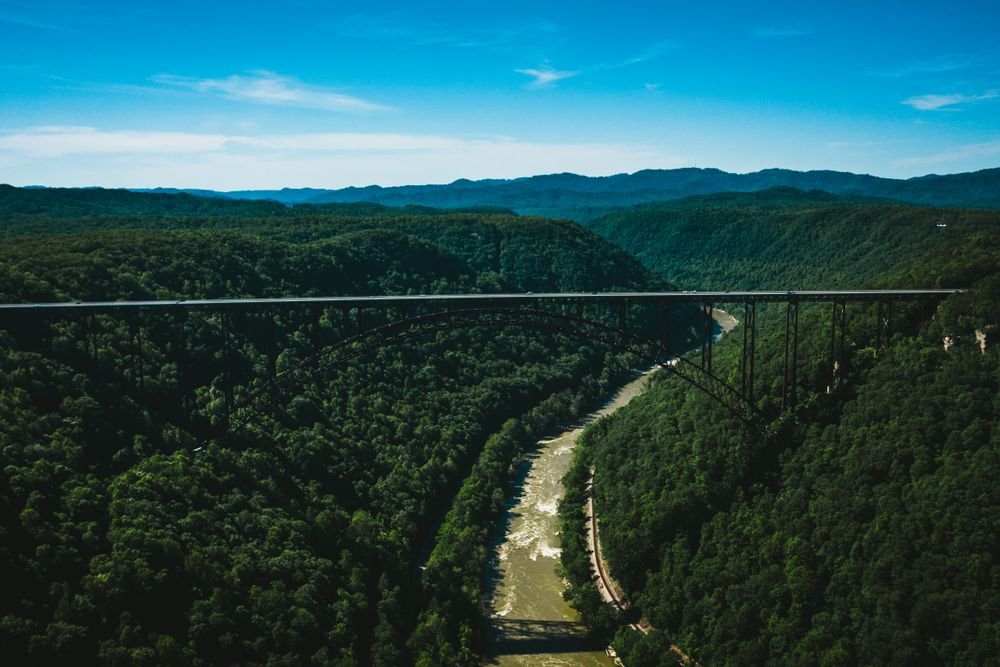
New River Gorge became America’s 63rd national park in 2020, and it’s still one of the least crowded parks in the system. The gorge is wild and dramatic — ancient rock formations, dense Appalachian forest, a gorge so deep it has its own microclimate.
But the September-specific reason to visit is the Gauley River. The Gauley is a tributary that becomes one of the most challenging white water rafting rivers in the entire world after Labor Day, when water is released from Summersville Dam upstream. Class V rapids. Churning, powerful water. People fly in from around the world for “Gauley Season.
I rafted the Upper Gauley in mid-September with an outfitter out of Lansing, WV. I am an experienced rafter but the Gauley humbled me — there were moments in those rapids where I was just holding on and hoping. It’s the most exhilarating thing I’ve done in any national park and I’ve done a lot.
Quick Park Facts
- Location: Southern West Virginia.
- September Crowd Level: Low to Moderate (The hiking trails remain beautifully quiet, but the Gauley River area gets packed with global rafters during specific September dam-release weekends).
- My September Rating: 9/10 (The absolute prime month for world-class whitewater rafting and perfect canopy hiking).
Must-sees: Long Point Trail, rafting on the Gauley River with a licensed outfitter, and Grandview Rim Trail.
Pro tip: Book your rafting trip with ACE Adventure Resort or Adventures on the Gorge—top-notch, federally licensed outfitters based in Lansing, WV, with expert guides who safely navigate the challenging Class V drops of the Gauley River.
Note for September 2026: Gauley Season relies on a strict, 22-day controlled water release window from the Summersville Dam starting the first Friday after Labor Day. Before planning your adventure, verify the official release calendars and whitewater safety guidelines on the official New River Gorge NPS Gauley River Guide.
16. Crater Lake National Park, Oregon
In my travels over the past 15 years, I have seen many beautiful bodies of water—the Norwegian fjords, the Caribbean, Lake Louise in the Canadian Rockies, the Greek islands… but the water at Crater Lake is unlike any other.
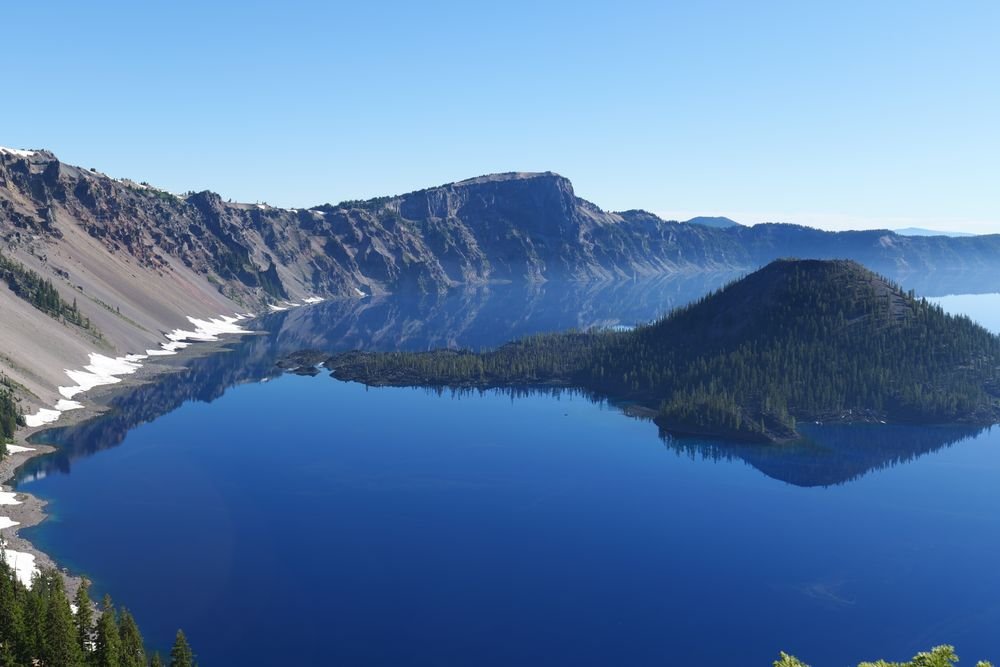
Its blue hue is almost unbelievable. It isn’t a photo-edited blue, nor is it merely a “wow, what a beautiful blue” kind of color. It is a deep cobalt blue that feels almost magical and electric; you find yourself simply staring at it, as your mind struggles to categorize the shade. The water’s purity—with a depth of 1,943 feet and no rivers flowing in or out, fed solely by rain and snow—combines with that depth to create a truly unique color.
Crater Lake is actually the collapsed caldera (volcanic crater) of Mount Mazama. Mount Mazama erupted violently about 7,700 years ago and collapsed in on itself. Wizard Island—a picturesque volcanic cinder cone rising above the lake’s surface—stands as a silent monument to Mount Mazama’s ancient past.
When I swam here back in late September 2014, the water temperature was around 55°F. I got into the lake as quickly as I could, swam for about five minutes, and then climbed out to sit on a rock in the sunshine, laughing at my own shivering while gazing at that incredible blue color.However, the rules have changed significantly this season.
Essential information for September 2026: The entire Cleetwood Cove Trail and all boat tours are completely closed due to a multi-year marina repair and improvement project. Although you cannot touch the water this year, the spectacular 33-mile Rim Drive remains fully open—proving why this is one of the best national parks to visit in September for stunning cliff-side photography.
Quick Park Facts
- Location: Southern Oregon.
- September Crowd Level: Low to Moderate (The lake overlooks are incredibly peaceful, but note that the annual ‘Ride the Rim’ cycling event is officially cancelled for 2026 due to heavy East Rim Drive construction).
- My September Rating: 8.5/10 (The lack of lakeshore or boat access drops the score, but the clear autumn skies make rim stargazing spectacular).
Note for September 2026: Because structural road construction and trail closures are dynamic this season, always verify the active work zones and daily webcam visibility on the official Crater Lake NPS Current Conditions Portal before making the drive.
17. Carlsbad Caverns National Park
To be honest, I had expected Carlsbad Caverns to be just like the caves I had seen before—damp, cold, mildly interesting, a quick twenty-minute walk, and that would be it. But when I reached the ‘Big Room’—part of the cave system, with a ceiling 255 feet high and a width exceeding 4,000 feet—I was left absolutely awestruck.
Then, I stepped outside to watch the bats take flight at sunset. Every evening from April to October, hundreds of thousands of Brazilian free-tailed bats emerge from the cave entrance, spiraling out in a continuous stream.
Bat colonies are at their largest in September as migratory bats join the newly born ones, creating a spectacular sight. A ranger provides information, but there is a crucial rule for September 2026: to protect these sensitive creatures, the use of cameras, cell phones, or any electronic devices in the amphitheater is strictly prohibited. As the bats emerge like a cloud swirling in the darkness, a hush falls over the crowd, and everyone watches in complete silence.
Quick Park Facts
- Location: Southeastern New Mexico.
- September Crowd Level: Moderate to High (The bat colony reaches its absolute peak size in late summer/early September, drawing big sunset crowds).
- My September Rating: 9/10 (Perfect month for experiencing the largest bat flight numbers of the entire year).
Must-sees: The Big Room (self-guided tour), the descent via the Natural Entrance, and the sunset Bat Flight Program.
Pro tip: Cave tour tickets sell out quickly—so book online in advance. Bring a jacket even if it’s hot outside; the temperature inside the cave remains a constant 56°F.
Note for September 2026: While the Bat Flight Program is completely free and requires no reservation, entering the actual cavern requires a strict $1 timed-entry reservation fee per person in addition to your standard park pass. Secure your underground entry slots ahead of time via the official Recreation.gov Carlsbad Caverns Ticket Portal.
18. Great Sand Dunes National Park
My experience: When someone first told me about the ‘Great Sand Dunes’—the tallest dunes in North America, situated at the foot of the ‘Sangre de Cristo’ mountains—I thought they were joking. It sounded like something out of a strange dream. But when I visited in September and stood at the base of these 750-foot-high dunes, with snow-capped mountains rising right behind them, I finally understood why people are so captivated by this place.
Medano Creek, which seasonally flows at the base of the dunes, usually dries up by late summer, but Note for September 2026: Due to one of the driest water years on record, the creek bed at the main dunes parking lot is completely bone-dry this season. By September, the intense summer heat has subsided, making it easier to climb them. Reaching the summit of ‘High Dune’ and taking in that unique view—with the mountains in the background—is an experience unlike anything else in the National Park system.
Quick Park Facts
- Location: Southern Colorado.
- September Crowd Level: Low to Moderate (Mosquito season is completely over, and the autumn temperature drop makes daytime exploring very peaceful).
- My September Rating: 9/10 (Superb month for hiking the ridges without the brutal summer heat, though the dry creek lowers the beach vibe).
Must-dos: Hike up High Dune (go early in the morning before the sand heats up), explore the unique dry, sandy bed of Medano Creek, and go stargazing (this certified Dark Sky Park offers an incredible night sky experience).
An important tip: Even in September, the sand surface heats up rapidly. Start your hike by 7 or 8 AM. Carry more water than you think you’ll need.
Safety note for September 2026: Sand temperatures can rise to 150°F during the afternoon in early September. Wear closed-toe hiking boots to prevent burns, carry extra water to handle the high elevation (over 8,000 feet), and be sure to check the ‘Great Sand Dunes NPS Current Conditions Portal‘ for real-time alerts before heading out.
19. Lassen Volcanic National Park
When people tell me they loved Yellowstone but wish it hadn’t been so crowded, I recommend visiting Lassen Park. Lassen features similar geothermal wonders—such as boiling mud pots, steaming fumaroles, and sulfur vents—yet it attracts far fewer tourists.
I hiked the ‘Bumpass Hell’ trail in September—a three-mile round trip that winds through an active hydrothermal area filled with boiling mud and steaming vents. The air is thick with the pungent smell of sulfur, but the landscape looks otherworldly. I spent about an hour there on a Tuesday afternoon, sharing the space with perhaps only ten other people.
Quick Park Facts
- Location: Northeastern California
- September Crowd Level: Very Low (With only around 500,000 annual visitors compared to Yosemite’s millions, it stays incredibly serene)
- My September Rating: 9/10 (The absolute best month for full highway driving and uncrowded boardwalk hiking, free of late-spring snow)
Must-sees: Bumpass Hell Trail, Manzanita Lake (stunning reflection of Lassen Peak), Cinder Cone (the climb is tough, but the views are amazing).
Crucial Infrastructure Update for September 2026: While the main 30-mile park highway (Hwy 89) is fully open, please note that the secondary Juniper Lake Road remains completely closed to all vehicle access due to catastrophic structural damage outside park boundaries.
A piece of honest advice: check the current fire situation before booking. Some Septembers are fine, while in others, smoke from fires elsewhere drifts into the area. You can check current AQI readings using the AirNow app.
Because seasonal wildfire smoke can quickly shift visibility in Northern California, it is highly recommended to monitor live webcam feeds and current trail conditions on the official Lassen Volcanic NPS Alerts Portal alongside the AirNow app before making your trip.
20. Bryce Canyon National Park, Utah
In my experience, Bryce Canyon looks almost unreal. The ‘hoodoos’—those peculiar, orange-pink, spire-like formations—look like something straight out of a Dr. Seuss book. I visited the canyon at sunrise for the first time and actually burst out laughing at the incredible sight.
Bryce Canyon easily ranks among the best national parks to visit in september, especially since temperatures at the canyon floor can soar brutally during the summer months. In September, the mornings are cool, the midday heat is manageable, and the golden light makes the hoodoos truly glow. Be sure to try the Navajo Loop and Queen’s Garden combo—it is the park’s best loop trail.
Quick Park Facts
- Location: Southwestern Utah.
- September Crowd Level: Moderate to High (The shuttle system helps control the congestion, but sunset/sunrise points stay busy with early autumn leaf-peepers).
- My September Rating: 9.5/10 (Crisp, perfectly cool high-altitude mornings combined with stellar night skies).
Don’t miss: Navajo Loop + Queen’s Garden combo (Note for September 2026: The iconic Wall Street side of the Navajo Loop is closed Monday through Thursday from 6 AM to 12 PM for stabilization work; use the Two Bridges path during these windows), Bryce Point at sunrise, stargazing after 9pm.
Honest tip: The free park shuttle runs through September. Use it. Parking is chaotic even in shoulder season.
Transportation and Trail Alerts for September 2026: Due to construction work on the multi-use path along Bryce Point Road, traffic control (flagging) and brief delays may occur between 8:00 AM and 6:00 PM while work is in progress. Before planning your hike, always check the Bryce Canyon NPS ‘Current Conditions Portal’ for information on trail openings and weather-related alerts.
Q1 Will I need a reservation to drive into popular national parks during the day in September 2026?
Answer: It depends on the park. The National Park Service has completely eliminated the vehicle reservation system for Yosemite National Park for the 2026 season. However, popular destinations like Arches (7 AM to 4 PM) and Rocky Mountain (Bear Lake Road, 5 AM to 6 PM) strictly require timed-entry permits during September and October. Always book in advance through the official portal for these months.
Q2. What if I prefer coastal scenery over mountain trails for my September vacation?
Answer: If hiking high mountain trails isn’t for you, September is the perfect month for a coastal getaway. The summer beach crowds thin out, prices drop, and the waters of the Atlantic and Pacific Oceans reach their warmest temperatures of the year. If you’d rather visit sandy beaches than mountain forests, check out my complete guide to the 15 best beaches in the USA to visit in September and plan an amazing late-summer coastal road trip.