If you ask any frequent traveler, they will tell you that September is easily one of the best months to explore the United States. The peak summer crowds are finally gone, the weather starts to cool down, and hotel prices actually become reasonable again. I’ve spent years searching for the “perfect travel month” across the United States, and time and again, September comes out on top. Hotel rates drop, roads open up, and the early autumn lighting is perfect for taking amazing travel photos without the harsh summer glare.
Whether you’re planning a solo road trip or a family vacation, here is your ultimate list of the best places to visit in September USA to help you plan the perfect trip. It details 15 destinations—complete with confirmed 2026 entry fees, accurate weather data, crowd levels, and the kind of insider, on-the-ground insights you’d usually only get from someone who has actually visited these places. Every price, logistical detail, and pro tip included here is updated as of June 2026.
Let’s get started.
Table of Contents
1. Yellowstone National Park, Wyoming
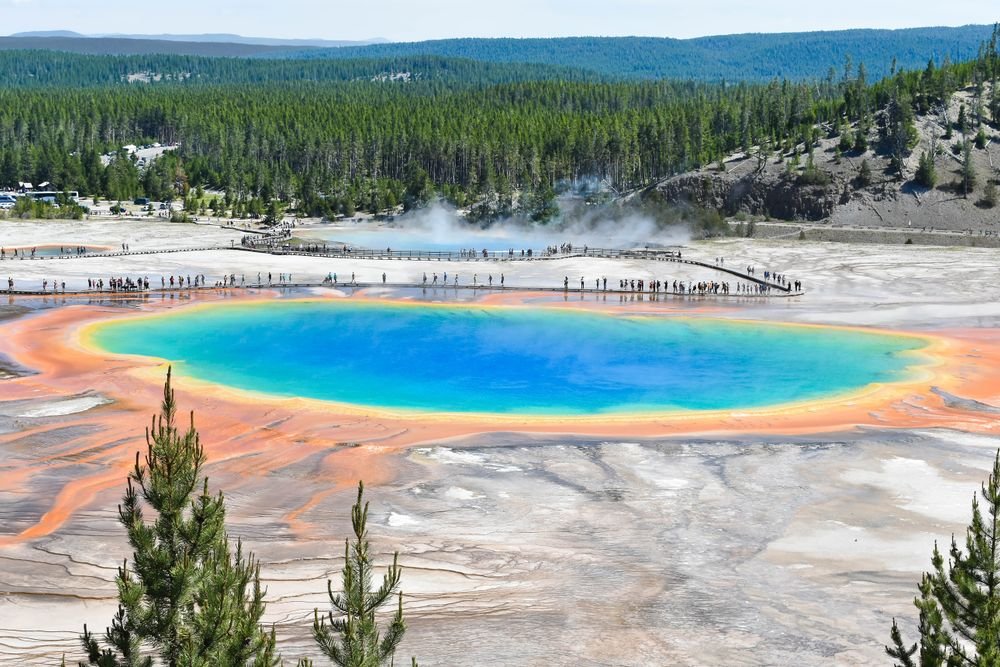
Most people visit here in July and August. But Yellowstone in September? That is a completely different experience. I have visited Yellowstone twice so far—once in the summer and once in September. There is simply no comparison between the two. In July, a crowd of 400 people shuffles slowly along the boardwalk at Grand Prismatic Spring.
In September, I wandered around with perhaps only thirty other people and found moments—actually, stretches of several minutes—where I stood before a thermal pool ringed with cobalt, emerald green, and orange hues, with no one else around. Geysers, hot springs, mud pots—Yellowstone’s geological landscape remains the same in September; it is just that the number of visitors is far lower.
In 2025, Yellowstone saw 4.76 million tourists—the highest number in the past decade. While Yellowstone has become incredibly popular over the last few years, September still offers a much needed break from that peak summer rush. The air changes. The aspen trees turn golden. The crowd at ‘Old Faithful’ thins out so much that, instead of fighting for space with 800 strangers, you can watch the geyser in comfort.
Ticket & Entry Fees (2026):
- U.S. Residents Private Vehicle (7-day): $35
- U.S. Residents Annual Pass (America the Beautiful): $80
- Non-U.S. Residents Standard Entry Fee: Standard fee + $100 per person surcharge (Aged 16+)
- Non-U.S. Residents Annual Pass (America the Beautiful): $250 (Covers vehicle entry and non-resident fees for up to 4 adults)
- No timed entry permit required for general park access — just the entrance fee
Crowd Level: Low to moderate. Post-Labor Day crowds drop sharply. By mid-September, you’ll find pullouts at major viewpoints easy to access.
Best For: Wildlife enthusiasts, photographers, families, and anyone who wants to enjoy Yellowstone’s iconic sights without dealing with the stressful summer crowds.
Pro Tip: Set your alarm for 5:30 AM and drive to the Lamar Valley. Bring a long lens if you have one. The wolves and bears operate on their own schedule, but in my experience, early September mornings are when Lamar Valley rewards your patience with the best wildlife sightings.
2. Glacier National Park, Montana
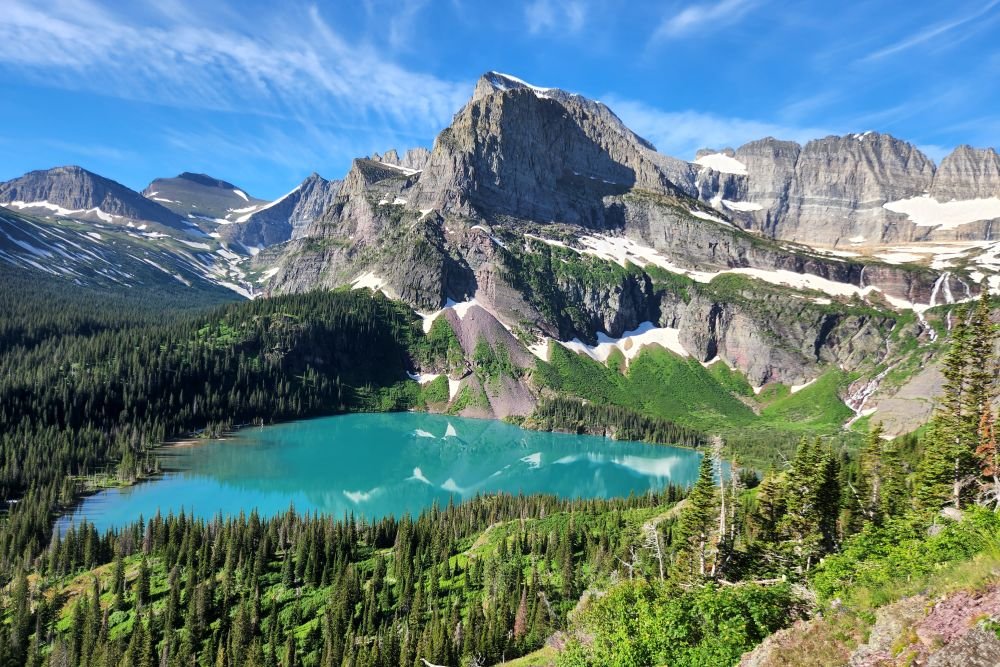
Visiting the glaciers in September offers a unique experience—one I hadn’t quite anticipated. The glaciers here are magnificent—ancient, vast expanses of blue-white ice—yet your ranger guide quietly points out that when the park was established in 1910, there were 150 active glaciers; today, only 25 remain. That fact stays with you as you hike to Grinnell Glacier and stand beside ice that has existed for millennia, watching it melt in the September warmth. It is an experience that combines adventure travel with witnessing environmental change firsthand.
Beyond that, the hiking and scenery here rank among the best in the United States. The ‘Going-to-the-Sun Road’—a 50-mile route crossing the Continental Divide,featuring some of the most breathtaking alpine views you will ever see in your life—remains fully open in September, with far fewer crowds than the heavy congestion seen in July. Mountain goats can be spotted on the steep cliffs, and grizzly bears may appear on the huckleberry-covered slopes (carrying binoculars is recommended). By late September, the aspen and larch trees turn golden, making the entire valley look absolutely stunning with contrasting gold and green colors.
Ticket & Entry Fees (2026):
- U.S. Residents Private Vehicle (7-day): $35
- U.S. Residents Annual Pass (America the Beautiful): $80
- Non-U.S. Residents Standard Entry Fee: Standard fee + $100 per person surcharge (Aged 16+)
- Non-U.S. Residents Annual Pass (America the Beautiful): $250 (Covers vehicle entry for up to 4 adults)
- Note: Glacier National Park is now 100% cashless. Only credit/debit cards or digital payments are accepted.
- Going-to-the-Sun Road vehicle size restrictions apply (no vehicles over 21 feet long or 8 feet wide between Avalanche Creek and the Sun Point parking area)
Weather Alert: September weather in Glacier can shift quickly — snow is possible at higher elevations by late September. Pack layers and waterproofs regardless of the forecast.
Best For: Serious hikers, wildlife enthusiasts, photographers, and anyone looking for rugged, untouched mountain wilderness.
Pro Tip: Hike to Grinnell Glacier (10.6 miles round trip, strenuous) if you can only do one long hike. The color of the lake at the base of the glacier — a blinding, chemical-blue from glacial flour — is one of the most extraordinary sights in any national park.
3. Rocky Mountain National Park, Colorado
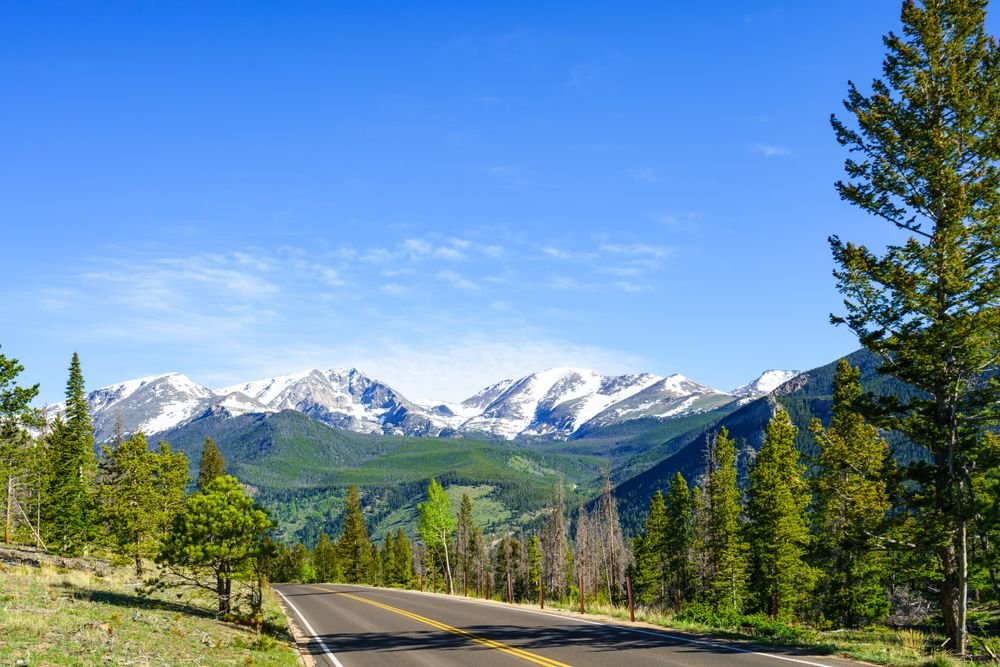
September is arguably the best month to visit Rocky Mountain National Park because the entire landscape transforms into a wildlife spectacle One mid-September morning at 5:45 AM, I was hiking in Horseshoe Park—sleep-deprived and clutching a cup of coffee—when I suddenly heard a sound: a cross between a flute and a foghorn echoing across the valley. Standing thirty meters away, a 700-pound male elk, with his head tilted back, was making his presence known to every creature in the valley. It took my breath away.
The elk ‘rut’ (mating season) in Rocky Mountain National Park—which runs from mid-September to mid-October—is one of the most spectacular wildlife sights in North America that can be witnessed for free. Male elk ‘bugle’ at dawn and dusk in Moraine Park, Horseshoe Park, and Upper Beaver Meadows; pedestrian access to these meadows is restricted so the animals can go about their activities undisturbed. This means you watch the spectacle from the roadside using binoculars, which actually gives you a safer, panoramic view of their natural behavior without scaring them away.
Crowd Level: Moderate in early September; drops noticeably after the second week. The elk rut attracts wildlife photographers, so Moraine Park at dawn gets busy — but it’s still manageable compared to July.
Ticket & Entry Fees (2026):
- U.S. Residents Private Vehicle (7-day): $35
- U.S. Residents Annual Pass (America the Beautiful): $80
- Non-U.S. Residents Standard Entry Fee: Standard fee + $100 per person surcharge (Aged 16+)
- Non-U.S. Residents Annual Pass (America the Beautiful): $250 (Covers vehicle entry for up to 4 adults)
- Bear Lake Road Corridor Permit: Required from May 22 to October 12, 2026 (5 AM to 6 PM). It costs $2 via recreation.gov.
- Rest of the Park Permit: Required from May 22 to October 12, 2026 (9 AM to 2 PM).
Best For: Wildlife (elk rut is world-class), alpine scenery, serious hiking, fall color photography.
Pro Tip: To see the elk rut at dawn in Moraine Park without a permit, you just need to enter the main park gates before 9:00 AM. However, if you plan to hike around the Bear Lake Corridor on the same day, you must enter the Bear Lake checkpoint before 5:00 AM to beat the reservation system.
4. Acadia National Park, Maine
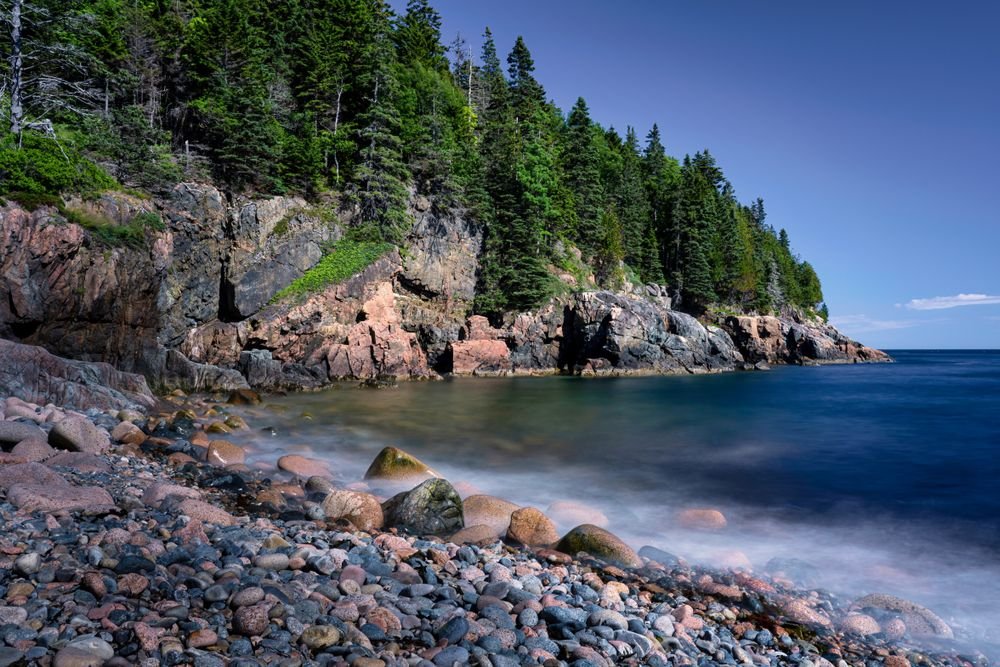
If I had to choose just one destination for autumn lovers, Acadia is undoubtedly one of the best places to visit in september usa. It is where the sun rises first in the country, and watching the sunrise from the top of Cadillac Mountain is an unforgettable experience and easily the highlight of any trip to Maine.
After Labor Day, Acadia becomes incredibly peaceful. The overwhelming summer crowds are completely gone, the historic carriage roads open up, and hints of red and gold begin to appear in the spruce forests. Restaurants in Bar Harbor still offer their full menus, yet there is no need for an hour-long wait; you can sit back, dine, and breathe easy.
After watching the sunrise, hike the Jordan Pond Path (3.3 miles) to take in the spectacular views of “The Bubbles,” and then enjoy warm popovers with blueberry jam at the Jordan Pond House.
Weather in September: Crisp and comfortable. Highs around 65–70°F (18–21°C), cool nights dropping into the 50s. Pack a light jacket for early mornings on the mountain.
Ticket & Entry Fees (2026):
- U.S. Residents Private Vehicle (7-day): $35
- U.S. Residents Annual Pass (America the Beautiful): $80
- Non-U.S. Residents Standard Entry Fee: Standard fee + $100 per person surcharge (Aged 16+)
- Non-U.S. Residents Annual Pass (America the Beautiful): $250 (Covers vehicle entry for up to 4 adults)
- Cadillac Summit Road Reservation: $6 per vehicle via recreation.gov (Required from May 20 to October 25, 2026. Slots sell out quickly).
- 2026 Update: A brand-new Acadia Gateway Center opened in Trenton with 300 free parking spaces and free Island Explorer bus connections, significantly reducing Mount Desert Island’s heavy traffic.
Crowd Level: Low to moderate after Labor Day. September weekdays are the sweet spot.
Best For: Hiking, coastal scenery, sunrise experiences, photography, peaceful road trips.
Pro Tip: Don’t just do Cadillac Mountain. The Jordan Pond House popover tradition is legendary — arrive early for the best views across the pond, and yes, in my experience, the popovers are worth every calorie.
5. Outer Banks, North Carolina
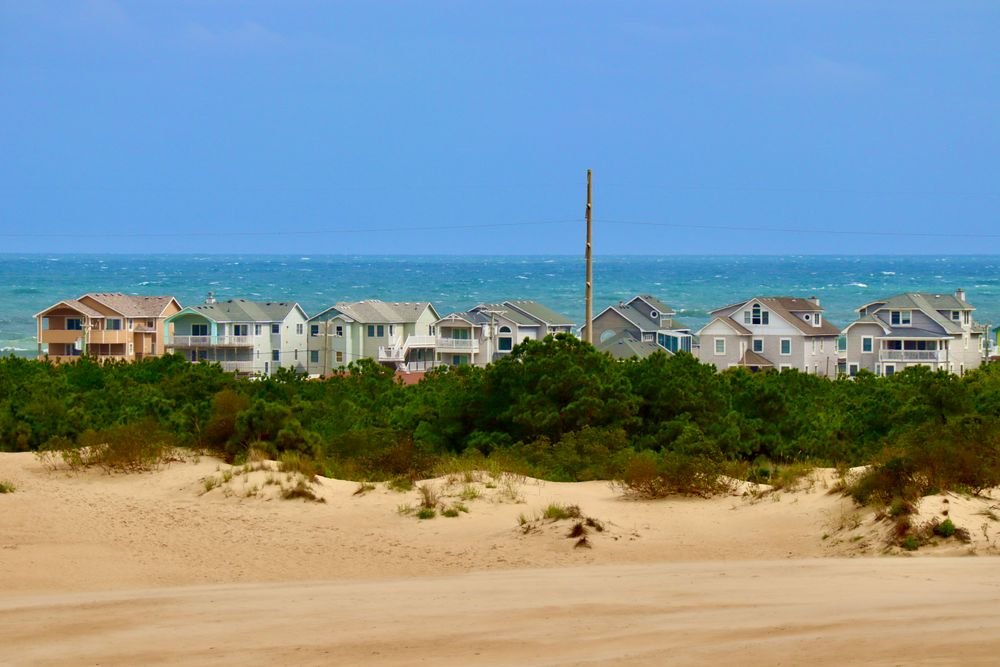
September is easily one of the best times to experience the Outer Banks without the crazy summer rush. The summer family crowds have departed, hotel rates drop by 40–50% during the off-season (or “shoulder season”), and the beaches along this 100-mile stretch of barrier islands remain peaceful and uncrowded. The Atlantic waters stay warm—hovering around 75°F—making activities like swimming, surfing, and kayaking comfortable.
Be sure to visit the Wright Brothers National Memorial in Kitty Hawk, the site where Orville and Wilbur Wright achieved the first powered airplane flight on December 17, 1903. Drive to Hatteras Island and take the free ferry to Ocracoke Island—one of the most pristine and authentic spots on the East Coast, featuring local family-owned shops instead of big chain businesses, wild ponies roaming the shores, and a harbor filled with shrimp boats. While the iconic Cape Hatteras Lighthouse is currently undergoing a massive restoration and closed for climbing throughout 2026, admiring its famous black-and-white stripes from the ground is still a must-do experience.
September Weather: Warm and pleasant. Highs 76–84°F (24–29°C), water around 75°F. Perfect beach weather. Less humid than summer.
Entry & Costs (2026):
- Cape Hatteras National Seashore: Free (no vehicle entry fee)
- Off-road vehicle permit for beach driving: $50/week or $100/annual (required for driving on the beach itself)
- Ocracoke Island ferry: Free (foot passengers and vehicles — first come, first served)
- Cape Hatteras Lighthouse: Closed for climbing in 2026 due to restoration (Grounds and visitor center remain open for free).
- Alternative Climb (Bodie Island Lighthouse): $10 per person (Open for climbing from late April to mid-October 2026; tickets must be booked on recreation.gov).
Crowd Level: Low after Labor Day. Ocracoke Island sees very few visitors in September — it’s quiet even by Outer Banks standards.
Best For: Beach lovers, history buffs, family road trips, cyclists (the Outer Banks has excellent cycling paths), anyone who wants ocean without noise.
Hurricane Note: The Atlantic hurricane season peaks in September. Book refundable accommodation, buy travel insurance, and monitor NOAA’s tropical weather outlook. A direct hit is rare but the Outer Banks is particularly exposed.
6. San Francisco, California
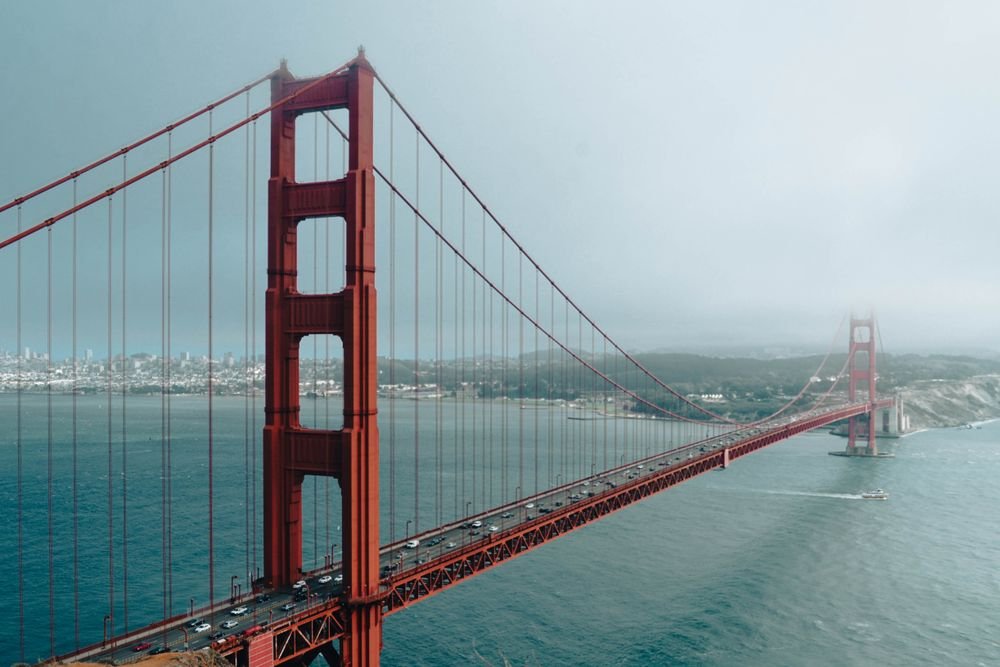
There is one thing no one mentions in San Francisco travel guides. The city’s famous summer fog—”Karl the Fog,” as locals call it—is at its thickest from June to August. By September, Karl recedes, the skies turn blue, and San Francisco finally experiences the weather promised in tourist brochures. Locals call this “Second Summer” and plan their outdoor activities around it.
Walk across the Golden Gate Bridge (it’s a 1.7-mile trek one way; bikes are allowed), then rent a bicycle and ride across the bay to Sausalito for lunch, enjoying views of the city skyline behind you. Take the ferry back across the bay. Visit Alcatraz early in the morning (book tickets 2–3 weeks in advance—they sell out), where you can listen to real chilling stories from former inmates and guards through their incredible audio guide. In the evening, the dining scene—ranging from the Mission District’s taquerias to the Ferry Building’s Saturday farmers’ market—offers an incredible culinary experience that you simply cannot miss.
Ticket & Entry Fees (2026):
- Alcatraz Island Ferry + Day Tour: $47.95 per adult (Strictly book 2–3 weeks early on the official site as they genuinely sell out).
- Golden Gate Bridge: Free to walk or cycle across.
- Golden Gate Park: Free (Most world-class museums within it, like the de Young, charge separate entry fees).
- Coit Tower Elevator (Observation Deck): $11 for non-residents ($8 for SF residents).
- SFMOMA: $25 per adult.
Crowd Level: Moderate — fewer tourists than summer, but September is when locals start reclaiming their city for outdoor evenings. Lively atmosphere without the peak-season chaos.
Best For: Golden Gate Bridge walks, Alcatraz tours, Fisherman’s Wharf, Chinatown, neighborhood food tours (Mission District, Hayes Valley), rooftop dining.
Pro Tip: The best food in San Francisco is not on the tourist corridor. The Mission District on a warm September evening — taquerías, wine bars, and the smell of salt air drifting over from the bay — is what this city is really about. Explore beyond Fisherman’s Wharf.
7. Asheville, North Carolina
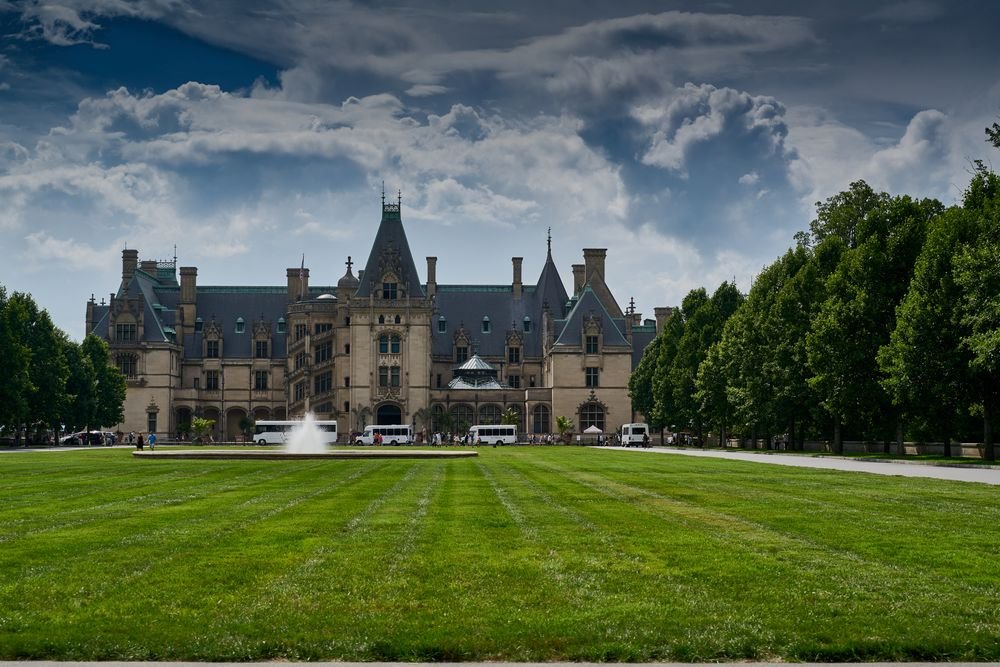
I have recommended Asheville to at least forty people over the past few years, and not one of them has returned disappointed. It is a vibrant city known for its incredible craft breweries housed in old industrial buildings, art studios tucked away in obscure alleyways, and mountain hiking trails offering breathtaking views.
September is a spectacular time to visit. You begin to catch glimpses of autumn colors in the mountains—not yet the full explosion of hues seen in October, but the beautiful onset of the season. Daytime temperatures hover around 70°F, nights are pleasant with temperatures dropping to around 50°F, and the heavy crowds typical of October haven’t yet arrived. Better prices. Shorter waits. And you still get to experience the same breathtaking mountain views.
Entry & Costs (2026):
- Biltmore Estate: Starting from $85 to $140+ per adult depending on the date and tour package (Strictly book online in advance as September dates fill up fast).
- Blue Ridge Parkway scenic drive: free (no entry fee)
- River Arts District: free to walk; studios open their doors, purchases optional
- Most downtown music venues: $10–$20 cover
Crowd Level: Moderate. Asheville is increasingly popular year-round, but September sits in a comfortable sweet spot before October leaf-peeper season peaks.
Best For: Food and drink enthusiasts, music lovers, history buffs, families, anyone who thinks they don’t like small cities.
8. Nashville, Tennessee
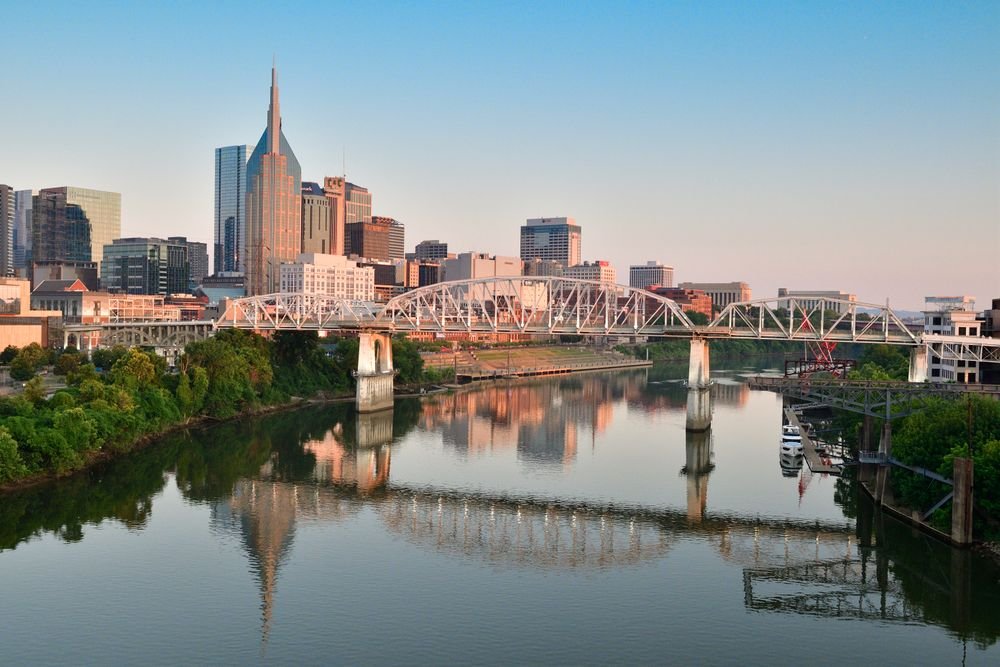
Nashville’s tourism surged by 15% in 2025, meaning the city is busier than ever. But the good news is that September is a fantastic time for Nashville—the heat and humidity subside, the massive crowds from June’s CMA Fest become a distant memory, and the city truly feels wonderful again.
I’ve visited Nashville in June (sweltering heat, huge crowds) and in September (absolutely perfect). With neon lights glowing along Lower Broadway at night, live music spilling out of every open doorway, and a plate of pulled pork from a small shop—this is the ‘Music City’ that everyone raves about.
Road Trip Add-On: From Nashville, it’s an easy 3-hour drive to the Great Smoky Mountains — combine both for an outstanding 7–10 day Tennessee trip.
September Weather: 68–84°F (20–29°C). Humid but manageable after August’s peak. Evenings are pleasant enough for enjoying the amazing rooftop bars that you’ll find all over the city.
Entry & Costs (2026):
- Lower Broadway honky-tonks: No cover at most; drinks $7–$12
- Country Music Hall of Fame: $32 per adult (Genuinely excellent museum, not just for country fans)
- Johnny Cash Museum: $27.95 per adult (+ tax)
- Ryman Auditorium self-guided tours: $36.39 per adult (The “Mother Church of Country Music” — includes taxes and fees)
- Parthenon replica in Centennial Park: $15 per adult
Crowd Level: Moderate year-round, slightly lighter in September than summer. Book popular restaurants in advance.
Best For: Music lovers (all genres, not just country), food enthusiasts, weekend trips, bachelorette/bachelor groups, anyone who wants a city that doesn’t close at 11 PM.
9. Napa Valley, California
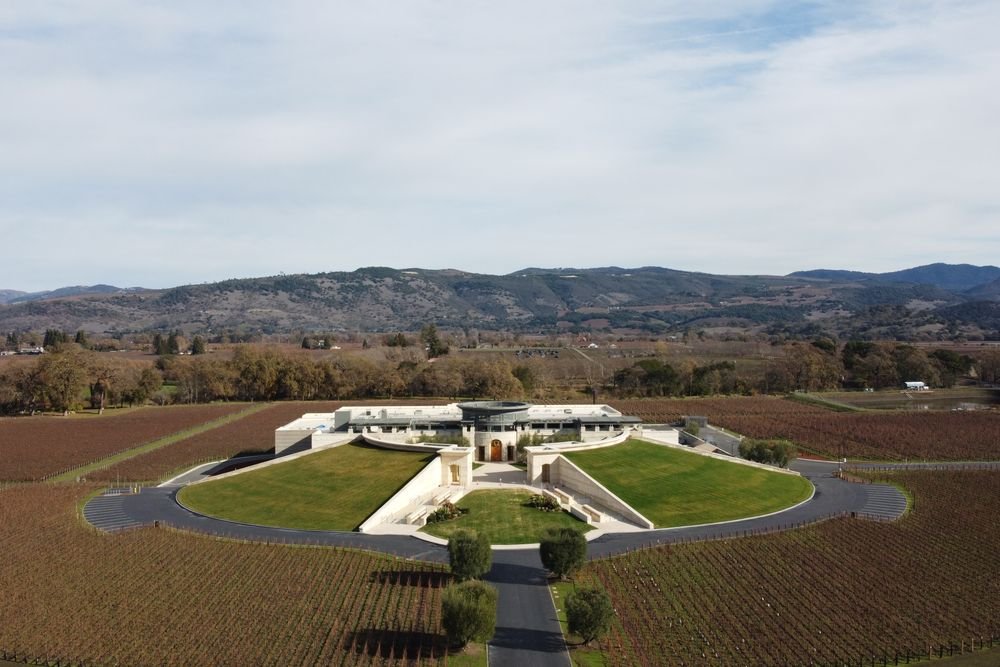
The first time I drove along the Silverado Trail in September, I stopped three times just to stand in the vineyards and gaze at the scenery. The vines were heavy with fruit and glowing gold, pickers were working swiftly and skillfully through the rows, and the air held a unique blend of aromas—fresh fruit, fermentation, oak, and warm afternoon earth—a scent no candle company has ever managed to replicate. In September, Napa is not only visually stunning, but the crisp morning air actually makes you feel the true magic of the harvest season.
Instead of Highway 29 (which is heavily congested and commercial), spend your time on the Silverado Trail—a quieter road running parallel to it on the eastern side of the valley. This route is dotted with small, family-run wineries where you will often find the passionate winemakers themselves pouring your glass and sharing their stories. If you are celebrating a special occasion, be sure to book a hot-air balloon ride over the valley (approximately $299–$325 per person); the view of the morning mist settling over the rows of vineyards from an altitude of 1,500 feet is truly unparalleled.
Entry & Costs (2026):
- Area Access: Free (Napa Valley is open agricultural land, no park entry fee).
- Winery Tastings: Standard tastings average $45–$75 per person (Flagship Cabernet estates range from $100–$200+; strictly book ahead for harvest season).
- Hot Air Balloon Rides: Group flights start from $299–$325 per person (Highly recommend Napa Valley Balloons or Balloons Above the Valley; bookings include pre-flight pastries).
- Harvest Dinners at Estate Wineries: $150–$350+ per person (Worth every dollar, but reservations fill up months in advance).
Crowd Level: Moderate. Summer crowds are thinning, but harvest season brings wine enthusiasts. Midweek is noticeably quieter than weekends.
Best For: Wine lovers, couples, foodies, photographers, anyone celebrating something worth celebrating.
Pro Tip: Book your winery visits in advance for September — harvest events fill fast. Many smaller wineries don’t take walk-ins during crush at all.
10. Sedona, Arizona
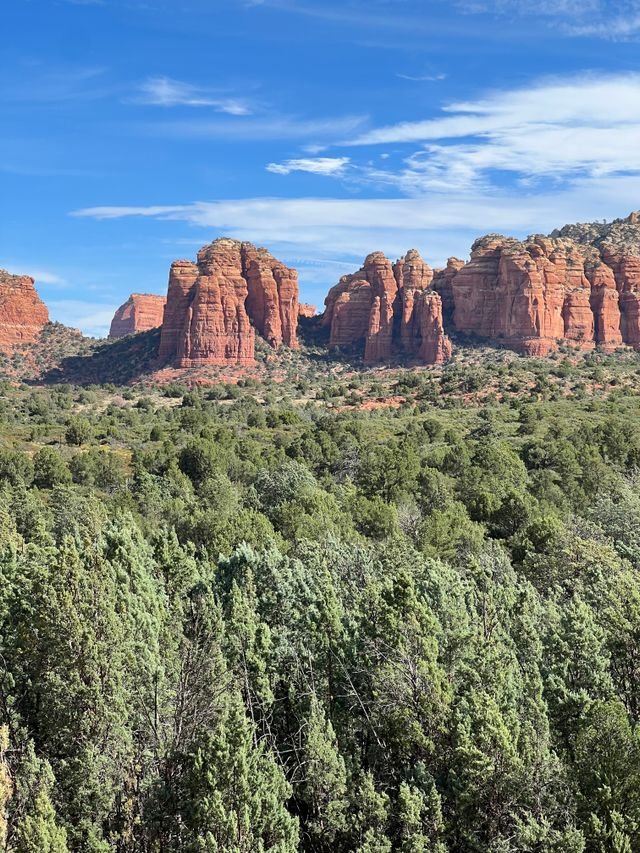
I’ll be honest — I was skeptical about Sedona the first time I went. It felt like it was built for Instagram, not real travelers. Then I hiked Bell Rock at sunrise in September with a Red Rock Pass in my pocket and not another soul on the trail, and I completely changed my mind.
If you are looking for the best places to visit in september usa, Sedona is genuinely a sweet spot. The brutal summer monsoons are winding down, the scorching 100°F+ heat has cooled to a very walkable 70–80°F, and the beautiful aspen trees along Oak Creek Canyon are just starting to turn into shades of gold and yellow. The spiritual vortex sites feel quieter, more personal, and the jeep tours book out less frantically than in March.
Weather in September: Daytime highs 70–80°F (21–27°C). Mornings are comfortable, afternoons pleasant. Occasional brief afternoon thunderstorm from late monsoon season — not a dealbreaker, but pack a light rain layer.
Ticket & Entry Fees (2026):
- Red Rock Pass (required at most trailheads): $5/day, $15/week, $20/annual
- America the Beautiful Pass works as a Red Rock Pass substitute — display it on your dashboard.
- Note: Slide Rock State Park charges a separate seasonal entry fee of $30 per vehicle (May to September) and does not accept federal passes.
- No timed-entry reservation required for Sedona in 2026.
Crowd Level: Moderate. Much lower than peak spring (March–May). Hotel rates in September run roughly $140–$230/night, compared to $340–$430/night in March peak season.
Best For: Hiking (Devil’s Bridge, Bell Rock, West Fork Trail), jeep tours, stargazing, spiritual vortex experiences, scenic drives through Oak Creek Canyon.
Don’t Miss: The annual Sedona Winefest happens in late September — sipping Arizona wine with a backdrop of flaming red rocks is as good as it sounds.
Pro Tip: Devil’s Bridge is the most photographed arch in Sedona — get there before 7 AM or expect a line for the photo spot. Early September mornings here are simply magical.
11. Cape Cod, Massachusetts
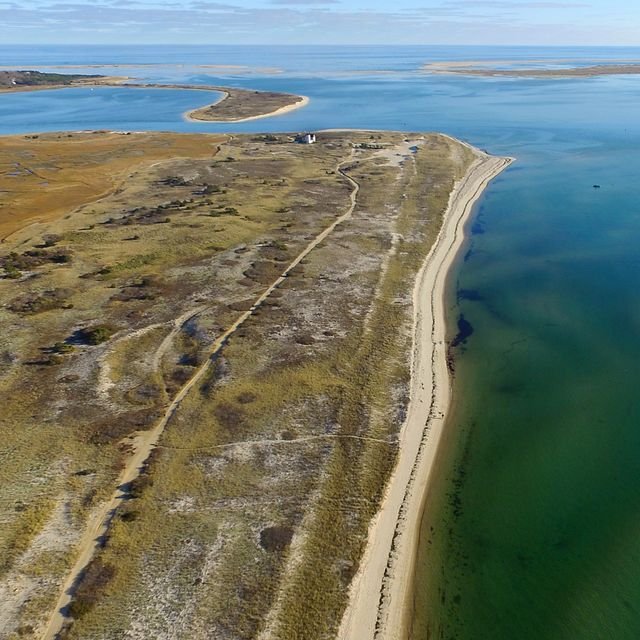
September completely changes Cape Cod for the better. The overwhelming summer crowds are gone, the parking lot at Race Point Beach is wide open, and the autumn lighting is beautiful. The water remains warm enough for swimming—with ocean temperatures hovering around 68°F—yet the beaches are so tranquil that you can walk for miles without encountering another soul.
Rent a bicycle and ride the ‘Cape Cod Rail Trail’ (25.6 miles) from Dennis to Wellfleet. Along the way, savor fresh oysters at Wellfleet’s famous oyster shacks—the town is renowned for producing some of America’s finest oysters. Embark on a whale-watching boat tour from Provincetown; September marks the peak of humpback whale activity as they actively hunt and feed close to the shore before moving south for the winter. Explore the galleries and bookstores of Provincetown; it is one of the oldest continuously settled English communities in America.
Entry & Costs (2026):
- U.S. Residents Private Vehicle (Daily Pass): $25 (Valid for all 6 National Seashore beaches)
- Pedestrians & Bicyclists (Aged 16+): $15 per person (Note: It is no longer free for walkers)
- U.S. Residents Annual Pass (America the Beautiful): $80
- Non-U.S. Residents Standard Entry Fee: Standard fee + $100 per person surcharge
- Non-U.S. Residents Annual Pass (America the Beautiful): $250 (Covers vehicle entry for up to 4 adults)
- Whale Watching Boat Tours from Provincetown: $55–$65 per adult (Highly recommend Dolphin Fleet Whale Watch)
- Cape Cod Rail Trail Bike Rental: ~$35–$45/day from multiple shops in Brewster and Dennis
Crowd Level: Low. September weekdays are extraordinarily quiet. Weekends bring some day-trippers from Boston (2 hours away), but nothing compared to July.
Best For: Cyclists, beachgoers who hate crowds, whale watching, New England food lovers, peaceful beach walks.
Pro Tip: Book accommodation in Wellfleet or Truro rather than Hyannis. You’ll be closer to the National Seashore beaches, pay 30–40% less per night, and feel like you’re somewhere real rather than a tourist town.
12. Lake Tahoe, California/Nevada
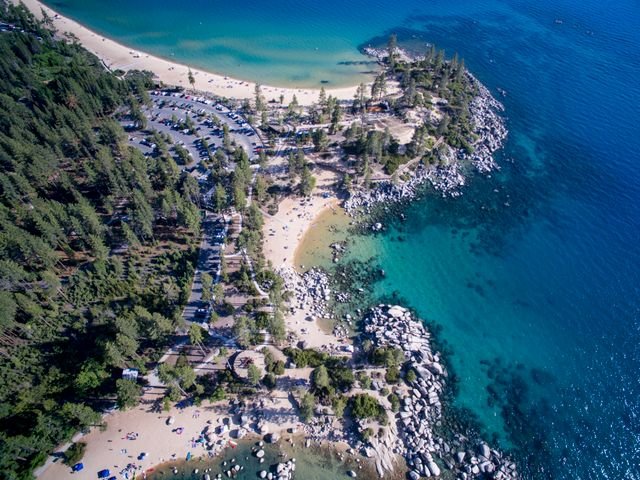
Lake Tahoe in September is spectacularly beautiful and dramatically quieter than July or August. The 72-mile lake — the largest alpine lake in North America and the second deepest in the USA — turns a deep cobalt blue against the pine-covered Sierra Nevada mountains, and the clarity of the water (visibility up to 70 feet) makes it one of the most photogenic bodies of water in the world.
Hike the Emerald Bay State Park trail to Vikingsholm — a 38-room 1929 Scandinavian-style mansion sitting right at the water’s edge in a protected bay of crystal-clear emerald water. Take a kayak or stand-up paddleboard out on the lake; September temperatures are warm enough (water around 68°F) to be comfortable in a wetsuit or even without one on warm days. Drive the Lake Tahoe circumference road (72 miles) with multiple viewpoint stops for a full day of incredible mountain vistas.
Entry & Costs (2026):
- Lake Tahoe State Parks Day Use: $10–$12 per vehicle at most beach access points
- Emerald Bay State Park: $10 per vehicle parking fee (Federal passes are not accepted)
- Vikingsholm Tours: $18 per adult (Children under 7 are free; cash/card accepted at the visitor center)
- Kayak Rentals: $35–$55/hour from multiple rental shops around the lake
- Heavenly Mountain Scenic Gondola Ride: Starts from $84 per adult online (Prices go up to $110 on peak summer weekends)
Crowd Level: Low to moderate. Significantly quieter than summer; weekdays are peaceful.
Best For: Water sports, photography, families, anyone combining California coast and mountains.
Casino Note: The Nevada side of the lake (Stateline, Crystal Bay) has full casino hotels. They’re often cheaper than California-side accommodations and a 10-minute drive from the same lake views.
13. Finger Lakes, New York
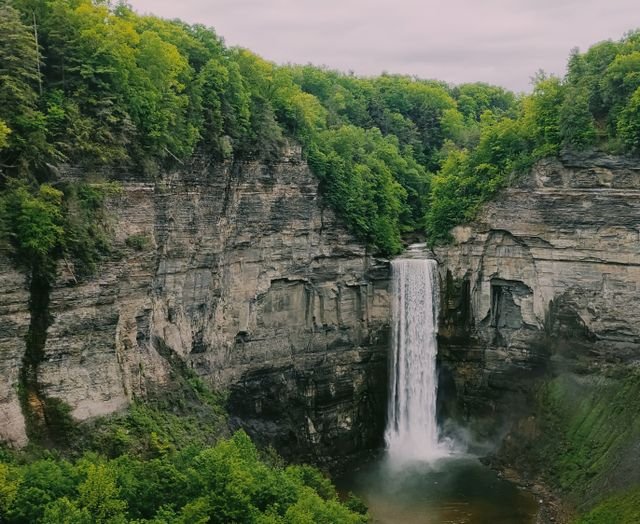
The ‘Finger Lakes’ region in upstate New York—home to eleven long, narrow, glacier-carved lakes—is one of America’s most underrated wine regions, and September’s harvest season is the best time to visit. More than 100 wineries line the shores of Seneca and Cayuga Lakes, producing wines such as Riesling and dry rosé; experts consider them among the country’s finest. Unlike Napa, most Finger Lakes wineries are small and family-run, often featuring the winemakers themselves pouring the tastings.
Go hiking in Watkins Glen State Park, where the 1.5-mile ‘Gorge Trail’ winds past 19 waterfalls set amidst rocky cliffs—and it’s hands down my favorite short trail on the East Coast because you get to walk right behind the cascading water. The city of Ithaca (home to Cornell University and Ithaca College) boasts excellent restaurants and the magnificent ‘Taughannock Falls’; at 215 feet, the waterfall is 33 feet taller than Niagara Falls. September weekends feature harvest festivals, grape-stomping events, and “farm-to-table” dinners at vineyard estates that offer great value for money.
September Weather: 60–74°F (16–23°C). Clear, dry, with the first hints of fall color beginning on north-facing slopes by late September. Perfect sweater-weather wine country conditions.
Entry & Costs (2026):
- Watkins Glen State Park: $10/vehicle parking fee; gorge trail free
- Taughannock Falls State Park: $10/vehicle parking fee (Pay stations are available at the lot)
- Finger Lakes winery tastings: $15–$25 per person at most wineries (applies to wine purchase at many)
- Cornell University and campus: free to visit
- Ithaca Farmers Market (Saturdays): free entry; outstanding local food
Crowd Level: Low to moderate. September harvest weekends attract wine enthusiasts; weekdays are quiet.
Best For: Wine lovers, couples, anyone doing an East Coast road trip who wants nature and culture without major city crowds, fall foliage early preview.
Pro Tip: Do the Seneca Lake Wine Trail on Saturday and Cayuga Lake Wine Trail on Sunday. Two different lake personalities, two different wine styles, one perfect Finger Lakes weekend.
14. Savannah, Georgia
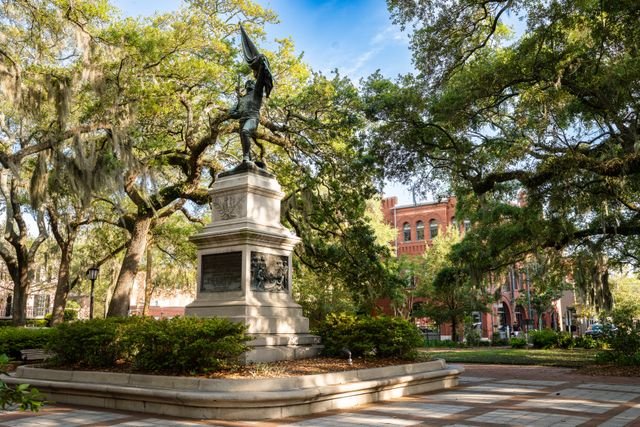
If you want to experience authentic Southern charm, September is the perfect time to visit Savannah. Spanish moss draping from oak trees over cobblestone squares, peach- and cream-hued antebellum buildings, the scent of salt marshes and gardenias, and a pace of life that makes you feel as though you have all the time in the world.
Its historic district spans 2.5 square miles and features 22 park-like squares; each is unique and offers a delightful spot to sit for twenty minutes with a coffee. At the heart of the district lies Forsyth Park, home to a magnificent 1858 fountain and surrounded by some of the South’s finest historic mansions. Take a ghost tour in the evening—Savannah is considered one of America’s most haunted cities, and the local tales are genuinely spooky. Savor the incredible fried chicken and she-crab soup at Mrs. Wilkes Dining Room (served family-style since 1943 for a flat $40 per person, cash or check only), and enjoy fresh shrimp from City Market .
Admission and Costs (2026):
- Historic District: Free to explore on foot
- Mercer-Williams House Museum:$14.95 per adult
- Savannah History Museum: $12 per adult (Children aged 3-12 are $8)
- Ghost Tour (evening walking tours): $22–$30 per person — Savannah claims to be one of America’s most haunted cities; regardless of your beliefs, these tours are genuinely fun
- River Street: Free to explore on foot; dining costs $15–$35 per person
Crowds: Low. Spring is the best time to visit Savannah. September sees fewer tourists, lower hotel rates, and easier access to restaurants.
Best for: History buffs, architecture enthusiasts, foodies, couples, and solo travelers who enjoy exploring cities without a strict itinerary.
15. New Orleans, Louisiana
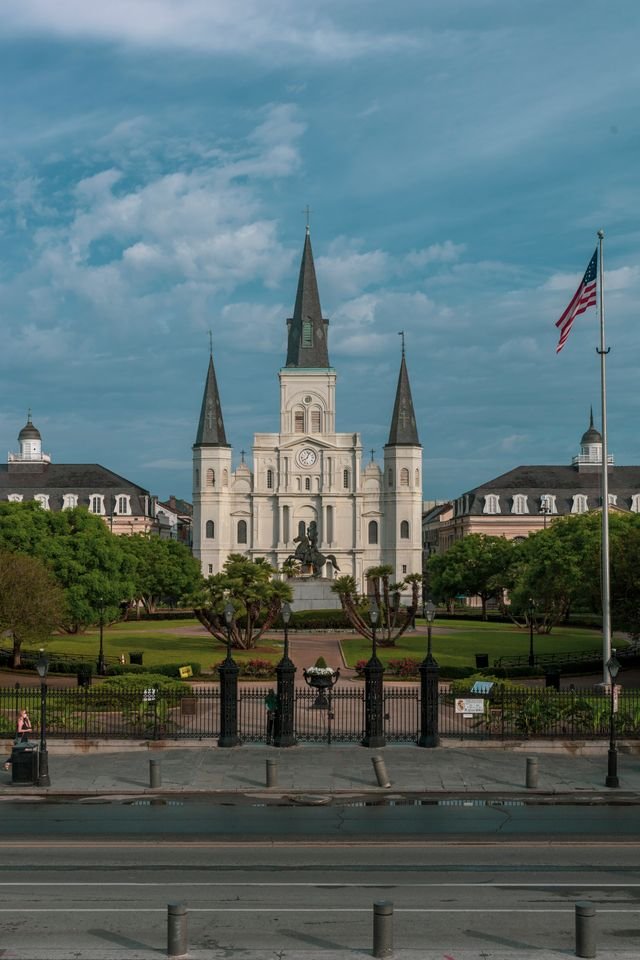
In July and August, the atmosphere in New Orleans feels like a fever dream—90°F heat and humidity that makes the air feel like a wet towel. September brings relief. Temperatures become bearable, the crowds from the major spring festivals have dispersed, hotel rates are at their lowest, and you get to experience the authentic, laid-back, local side of New Orleans.
I have visited New Orleans four times, and it was my September trip that truly allowed me to understand the city. A Tuesday night at 10 PM in the French Quarter—the sound of a jazz trumpet drifting from an open doorway onto the street, a cold beer in hand, and no sense of rush—this is the New Orleans where locals actually live, not the version seen during Mardi Gras.
Admission and Expenses (2026):
- General City Access: Free to enter and explore.
- French Quarter Bars: No cover charge at most music joints; drinks range from $8–$15.
- National WWII Museum: $36 per adult (General admission to all 7 immersive pavilions).
- City Park and Audubon Park: Free to enter.
- Streetcar Ride: $1.25 per trip (Exact change required, or use the Le Pass app).
Crowd levels: Low — this is one of the quietest months in New Orleans. Hotel and Airbnb rates are at their lowest.
Best for: Foodies, music lovers, solo travelers, and those wanting to experience the city without tourist crowds.
Important note on weather: September carries the highest risk of hurricanes. Pay attention to NOAA forecasts, book refundable accommodation, and consider getting travel insurance. If a storm is forecast, change your plans without hesitation—the city will still be there and just as wonderful next time.
Frequently Asked Question
Q1: Which national parks should I prioritize visiting in September?
Ans: While summer offers great conditions for the popular trails at many national parks, September is the ideal time to visit these five:
- Acadia (Maine): Excellent for early autumn colors along the coast and easier parking availability.
- Rocky Mountain (Colorado): A must-visit to witness the spectacular sight of the elk mating season in the early morning.
- Yellowstone (Wyoming): The best place to spot active wildlife in Lamar Valley with fewer crowds.
- Great Smoky Mountains (Tennessee/NC): A fantastic experience featuring free entry and the mountains’ signature beautiful mist.
- Zion (Utah): The best time for safe hiking in ‘The Narrows’ after the risk of summer monsoon storms has passed.
Q2: Which national parks are best to visit in August and September?
Ans: High-altitude parks like Mount Rainier or Glacier are excellent to visit in August because all the trails are completely clear of snow. However, if you are planning a trip for late summer, you should check out our full list of the best national parks to visit in August. For desert parks like Sedona, Arches, or Zion, it is wiser to wait until September, as the intense summer heat subsides by then.