August often gets a bad rap. People complain about the crowds, the heat, and the high costs. And to be honest, if you pick the wrong park, they aren’t entirely wrong.
If you visit Arches in August, you might find yourself hiking in 108°F heat with absolutely no shade. Head to Zion or Arches without a strategy, and you will likely waste your entire morning hunting for parking spaces.
Instead, planning a trip to places like Glacier, Mount Rainier, or Grand Teton changes everything. Choosing the best national parks to visit in August makes all the difference for a perfect summer vacation.The trails are clear of snow, wildflowers are in full bloom, and wildlife is active and easy to spot. The days are long enough to enjoy beautiful, late sunset hikes well into the evening.
I’ve been visiting national parks every August for years. Some of my trips have been dream-like, while others involved four hours of driving only to spend the entire day stuck in a parking lot. This list is based on those very experiences.
Here’s where you should go—along with updated 2026 shuttle schedules, new vehicle reservation rules for Logan Pass, and insider details that will save you hours of frustration.
Table of Contents
1. Olympic National Park, Washington
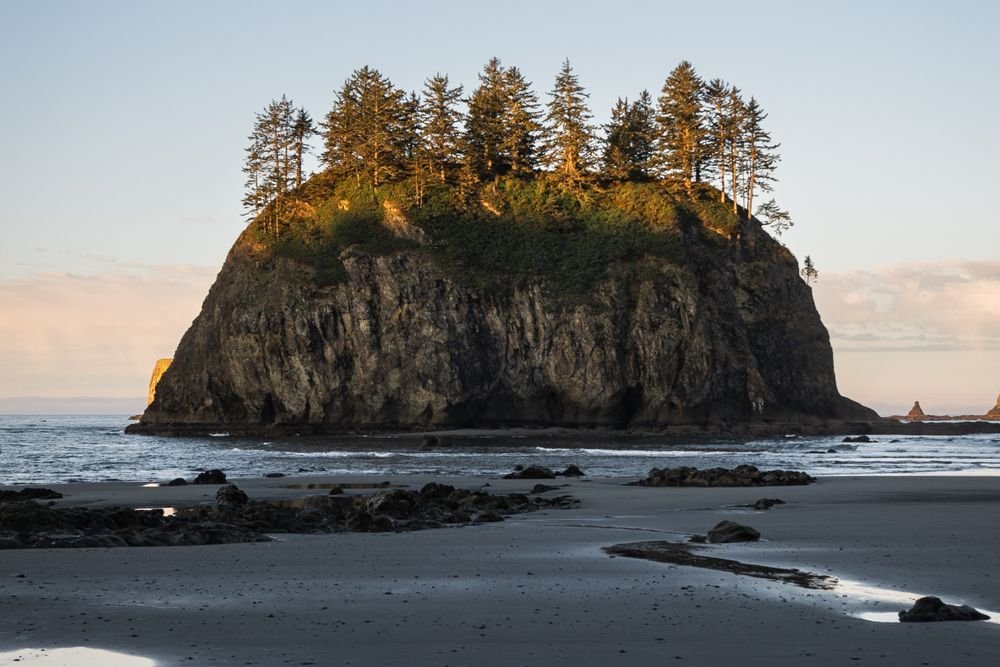
Best for: Diverse scenery, family trips, rainforests, coastal areas, and mountain hiking.
Think of Olympic National Park as a ‘three-for-one’ deal—it packs a rugged coastline, glacier peaks, and a mossy rainforest into one wild road trip.
There are temperate rainforests featuring “nurse logs” and moss-draped maple trees; the rugged Pacific coastline with its tide pools and sea stacks; and alpine meadows home to mountain goats and marmots. It honestly feels like visiting three entirely different parks in a single trip. Best of all, August brings the ideal weather to experience every single one of them.
The Hoh Rain Forest is world-famous for its rain, but August is historically its driest month, making the trails much cleaner and easier to hike. Hurricane Ridge is fully snow-free in August, but keep in mind for 2026: major utility construction is limiting parking spaces, and there is absolutely no potable water available up there right now, so pack your own bottles.
Best coastal experience: In August, low tides at Ruby Beach and Rialto Beach reveal tide pools teeming with sea stars, anemones, and hermit crabs. Visit at sunset; people travel from thousands of miles away to witness the light hitting the sea stacks.
- August Weather: Rainforest: 65–70°F (Misty mornings) | Coastline: 60°F (Very windy, pack layers) | Alpine: 60–75°F (Clear skies)
- 2026 Crowd Level: High. Hurricane Ridge and Hoh Rain Forest parking lots usually fill up completely by 9:30 AM during August.
- Entry Fee: $30 per vehicle (Valid for 7 days) or the America the Beautiful Pass. Note: This park is 100% cashless, so bring a credit or debit card.
- Permits & Reservations: No timed-entry vehicle permits are required for park entrances in 2026. However, Wilderness Backcountry Permits are mandatory if you plan to camp overnight.
Insider Tip: August crowds at Hoh are brutal, often creating a 2-hour wait just to park. To beat the rush, make sure you pull into the lot either before 10 AM or after 5 PM.
Real-time 2026 Strategy: Download the ‘NPS App’ and save the Olympic National Park maps offline before you enter the Hoh Rain Forest, as cellular service drops to completely zero miles before the entrance gate.
2. Grand Teton National Park, Wyoming
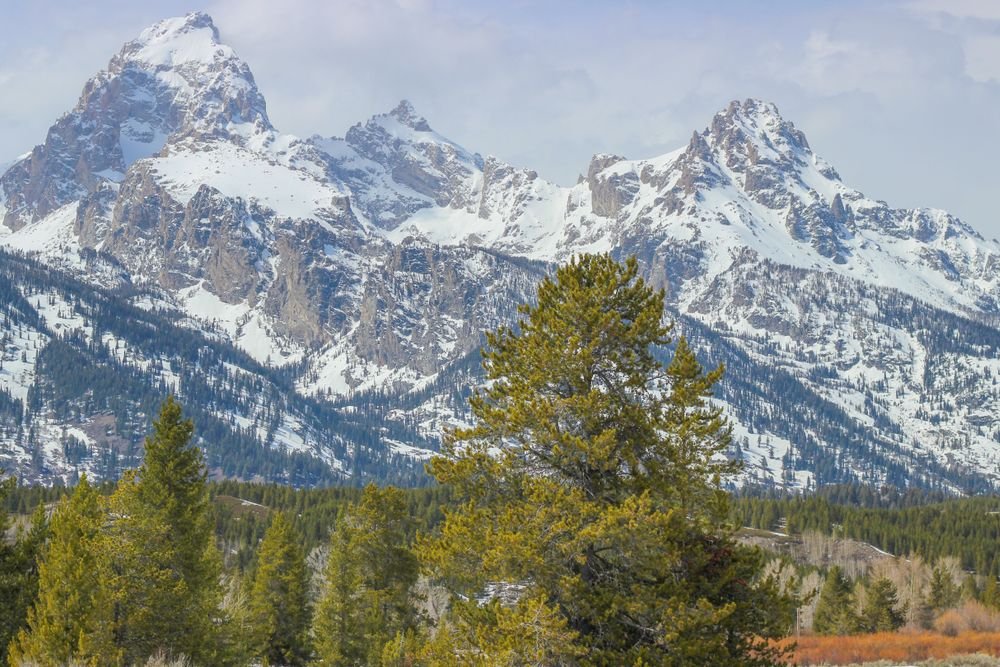
Best for: Wildlife viewing, photography, lake reflections, family trips
Visiting Grand Teton in August rewards you with clear summer skies and crisp alpine air, though it requires a solid booking strategy.
Even in August, the Teton Range remains snow-capped, creating a stunning contrast in every photo—rugged peaks rising above flat, serene lakes. Oxbow Bend is the park’s most photographed spot at sunrise, where the Snake River perfectly mirrors the rugged Mt. Moran.
August weather here is warm, with average daytime temperatures around 80°F and nighttime lows near 50°F. Afternoon storms and rain showers are common, especially around the peaks, so plan your hikes for the early morning.
Why August is special here: Most visitors come for day trips from Jackson, arriving in the late morning and leaving by 5 PM. If you camp or stay inside the park, the early morning and evening hours are all yours. Witnessing the ‘golden hour’ light on the peaks without the crowds offers an experience completely different from the midday rush.
- 2026 Crowd Level: Very High. The parking spaces at Jenny Lake and String Lake usually fill up completely by 8:30 AM in August.
- Entry Fee: $35 per vehicle (Valid for 7 days) or the America the Beautiful Pass. (Note: Grand Teton entrances are also cashless).
- Best Camping Spots: Jenny Lake Campground (Tent only—extreme high demand), Signal Mountain Campground, and Colter Bay Campground.
- Permits & Reservations: No vehicle or timed-entry permits are required to enter Grand Teton National Park in 2026. However, Backcountry Camping Permits are strictly required for any overnight stays outside established campgrounds.
Important Tip: Jenny Lake Campground is 100% reservation-only through Recreation.gov and can be booked on a strict 6-month rolling basis. It sells out within minutes of release, so set an alarm.
Real-Time 2026 Alert: Note that the Death Canyon Trailhead is completely closed for the summer 2026 season due to a major construction project. If you plan to hike any connected trails or access backcountry camping zones, you will need to map out alternate routes through the park beforehand.
3. Great Smoky Mountains National Park, Tennessee/North Carolina
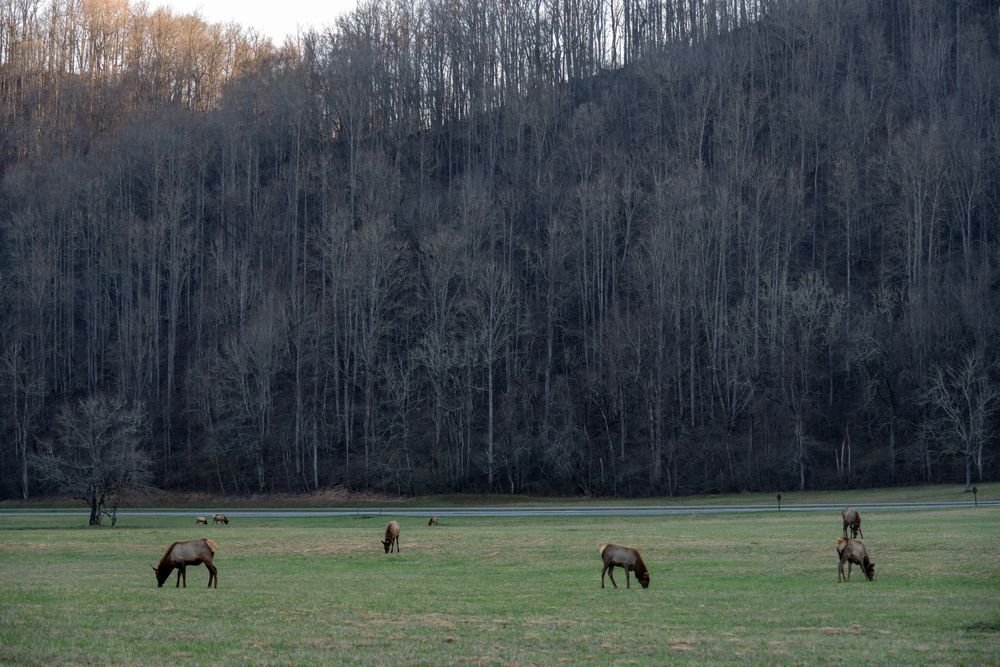
Best for: East Coast families, easy hiking, history, and—compared to any other park—the greatest variety of trail difficulty levels.
The Smokies is America’s most visited national park—drawing around 14 million people annually—yet the truth is, most people visit it the wrong way.
Let me explain what I mean.
The wrong way: Arriving at Kuwohi (formerly Clingmans Dome) at 11 a.m. on a Saturday in August. Spending 40 minutes circling the parking lot. Walking up the paved ramp to the observation tower amidst a crowd of 300 people. Snapping photos with 50 strangers in the background. Driving back to Gatlinburg in stop-and-go traffic.
The right way: Setting your alarm for 5:30 a.m. Driving the ‘Roaring Fork Motor Nature Trail’ before 7 a.m., when mist rises from the stream and old-growth hemlocks filter the light in a way that would move a landscape photographer to tears. Hiking the ‘Alum Cave Trail’ on a Tuesday—a four-mile route passing through geological formations that look otherworldly, with hardly another soul in sight. Visiting ‘Cades Cove’ on a Wednesday morning when it is open strictly to cyclists and pedestrians. Note for 2026: Be aware of early evening utility work closures on the loop, making early mornings your absolute best window to spot grazing deer and bears.
- Parking Tags & Fees: Entry is free, but you must purchase a $5 daily parking tag online or at visitor centers before hiking.
- 2026 Crowd Level: Extremely High. August is prime family vacation time here, so expect major traffic on Cades Cove Loop.
- Permits & Reservations: No vehicle reservations required to enter. However, reservations are mandatory for all campgrounds and backcountry shelters.
- August Weather: Lower elevations: 85°F (Humid) | High peaks (like Kuwohi): 65–70°F (Much cooler, perfect for afternoon relief)
4. Acadia National Park, Maine
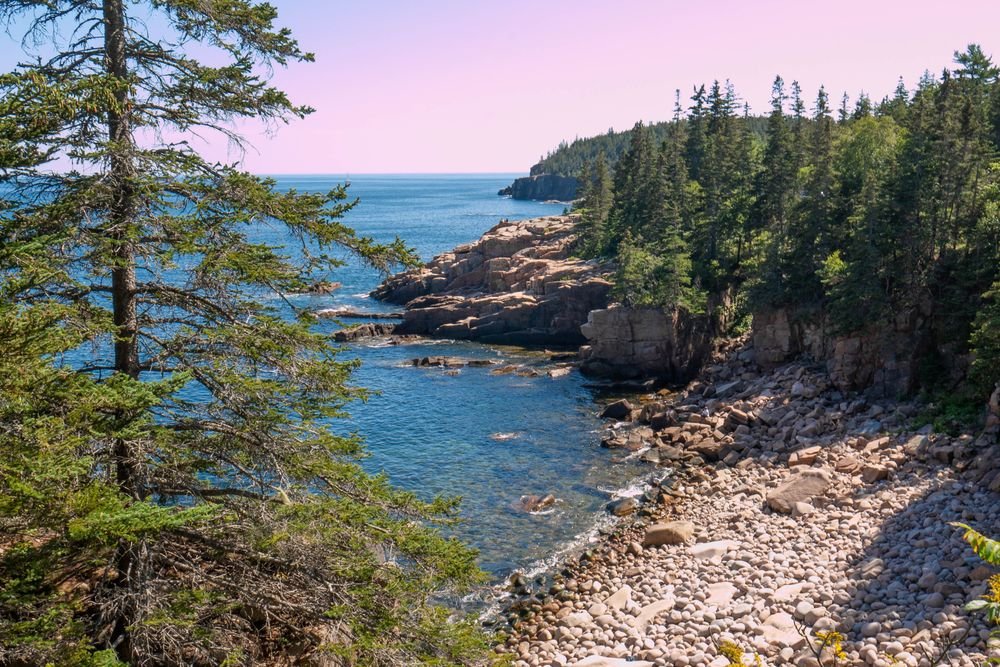
Best for: East Coast travelers, cycling, coastal scenery, summit hiking, lobster rolls.
For those on the East Coast who prefer not to fly across the country, visiting Acadia in August is an excellent choice.
At Cadillac Mountain—the highest point on the U.S. Atlantic coast—there is a moment at first light when the sun rises above the horizon, bathing the ocean and Maine’s myriad small islands in shades of pink, gold, and copper. You stand in the sea breeze, a cool coffee in hand, witnessing perhaps the most beautiful morning light in New England, knowing you are among the first people in the country to see the sun that day.
To experience this, you’ll need a Cadillac Mountain Sunrise Vehicle Reservation via Recreation.gov. Make sure your alarm is set early enough to get through the summit gate right when it opens at 4:30 AM.
Acadia is incredibly popular in August—I’m not exaggerating. Crowds are heavy, parking is scarce, and the summit can get packed by 9 AM. However, the ‘Island Explorer’ shuttle runs frequently and for free throughout the park; once you hand over the worry of parking to the shuttle, the entire experience becomes fantastic.
My August routine in Acadia: sunrise at Cadillac Mountain, morning popovers at Jordan Pond House, and afternoon cycling on the carriage roads. For sunset, head to Bass Harbor Head Lighthouse, but arrive at least 90 minutes early as the tiny parking lot fills up fast.
- 2026 Crowd Level: Extremely High. Bar Harbor and park loops are packed midday.
- Entry Fee: $35 per vehicle (Valid for 7 days). Note: Cadillac Mountain requires an additional $6 vehicle reservation token.
- Permits & Reservations: Park entry requires a standard pass. Cadillac Mountain Summit Road strictly requires vehicle reservations for both Sunrise and Daytime slots in August 2026.
- Best Camping Spots: Blackwoods Campground (closest to Bar Harbor) and Schoodic Woods Campground (quieter, located on the peninsula).
- August Weather: Day: 70–75°F (Perfect coastal weather) | Night: 55–60°F (Cool breeze, layers required)
Bonus: Lobster season in Bar Harbor peaks in August. Be sure to try a lobster roll. Eat two.
5. Yellowstone National Park, Wyoming/Montana/Idaho
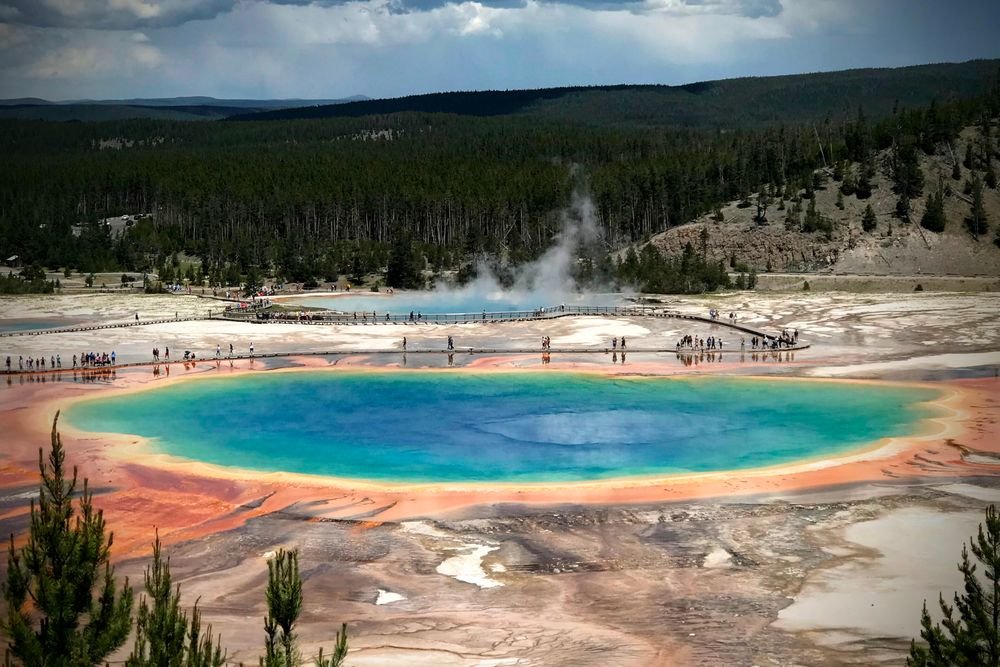
Best for: Geothermal landscapes, wildlife, memorable experiences, family trips
Yellowstone isn’t a park you visit simply because the August weather is pleasant. You go there because there is no other park like it on Earth.
Picture the ‘Old Faithful’ geyser erupting beneath an August blue sky; a herd of bison halting traffic because they couldn’t care less about your schedule; the steam rising from the ‘Grand Prismatic Spring’ mingling with neon hues in the air—moments that make you feel both small and incredibly fortunate.
Yellowstone gets quite crowded in August, especially along the ‘Grand Loop Road’ between ‘Old Faithful‘ and ‘Mammoth Hot Springs.’ However, the park is vast—spanning 2.2 million acres—and most tourists don’t venture far from the main paths and boardwalks.
My advice for August: Visit popular geothermal sites (like Old Faithful and Grand Prismatic) before 8 AM. Note for 2026: The Grand Prismatic Overlook Trail area is experiencing heavy construction delays, so check live NPS updates before heading out. Then, spend the afternoon in ‘Lamar Valley’—North America’s most reliable spot for wildlife viewing. Here, you have a better chance of spotting wolves, bears, and bison than almost anywhere else, and without the cost of an expensive safari ticket.
- 2026 Crowd Level: Extremely High. Yellowston’s main boardwalks and Grand Loop Road experience severe congestion between 10 AM and 4 PM.
- Entry Fee: $35 per vehicle (Valid for 7 days) or the America the Beautiful Pass. Note: Yellowstone entrances are completely cashless.
- August Weather: Day: 70–80°F (Warm and sunny) | Night: 35–45°F (Extremely cold, can drop near freezing, bring heavy jackets)
- Permits & Reservations: No vehicle timed-entry permits are required for park entry in 2026. However, Backcountry Camping Permits are mandatory for overnight wilderness stays.
6. Glacier National Park, Montana
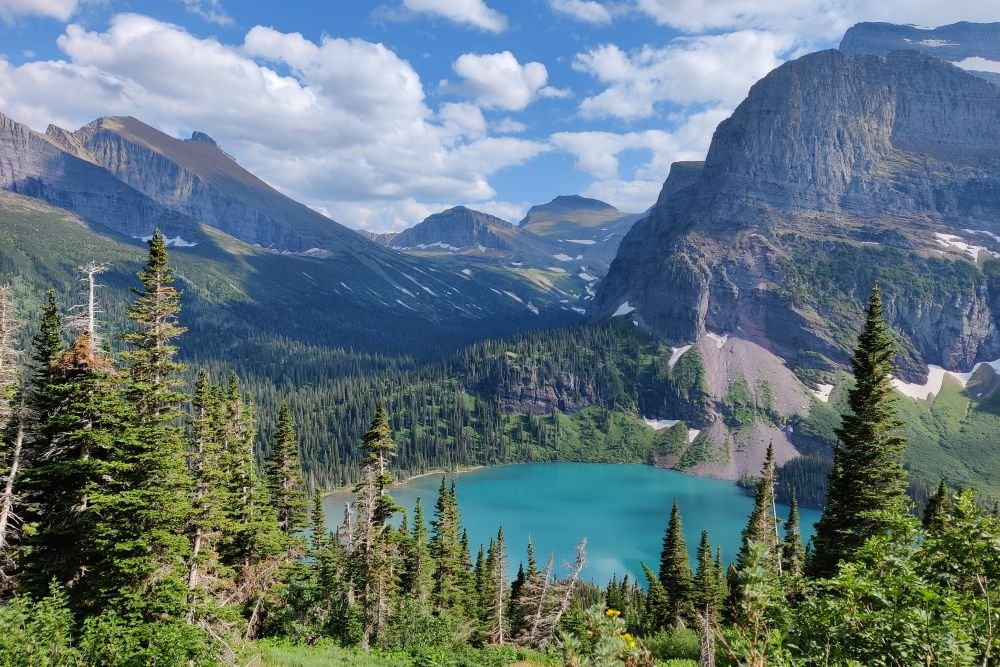
Best for: Scenic drives, alpine hiking, wildflowers, photography
If you are looking for the best national parks to visit in August, Glacier National Park should be at the very top of your list. I have visited twice in August, and if someone handed me a plane ticket, I would go back tomorrow.
The Going-to-the-Sun Road—a stunning 50-mile highway that cuts through the heart of the park—is fully open in August. Wildflowers line the roadside, looking spectacular. The mountain vistas seem almost unreal, as if painted specifically to make you wonder if your life choices were truly good enough to earn you such a breathtaking view.
What changed for 2026: Glacier discontinued its timed-entry vehicle reservation system this year. You no longer need a pre-booked slot to drive the Going-to-the-Sun Road. Additionally, private vehicle parking at Logan Pass is strictly limited to a maximum of 3 hours in 2026. Because of this, visitors planning longer alpine hikes must reserve a ticketed Logan Pass Shuttle via Recreation.gov, available 60 days in advance.
Pro tip: Arrive before 7 a.m. or after 4 p.m. With the new 3-hour limit, parking spots now turn over throughout the day, but arriving before 7 AM is still best for morning light. Pro Tip: If advance shuttle tickets are sold out, remaining seats are released daily at 7 PM MDT for next-day entry. Top hikes for August include the Highline Trail and Hidden Lake Overlook.
- Entry Fee: $35 per vehicle (Valid for 7 days) or the America the Beautiful Pass.
- 2026 Crowd Level: Very High. Going-to-the-Sun Road does not require vehicle reservations this year, meaning entrance gates can experience temporary delays during mid-day peak capacity.
- Logan Pass Parking Limit: Strictly limited to 3 hours maximum from July 1 through September 7, 2026.
- Shuttle Reservations: Personal vehicle entry is free, but the Logan Pass Shuttle strictly requires a $1 reservation ticket purchased online in advance via Recreation.gov. (Note: Shuttles will not stop at Avalanche Lake or Trail of the Cedars in 2026).
- August Weather: West Side (Apgar): 80°F | Alpine Zone (Logan Pass): 60–65°F (Perfect hiking weather, but sudden afternoon thunderstorms are common).
There is one thing I always tell everyone: make sure to stop at ‘Polebridge Mercantile,’ just outside the park’s northwest gate. They sell ‘Huckleberry Bear Claws’—a pastry filled with local huckleberries—and I’ve thought about them almost constantly since my last visit. Definitely get one. Get two.
7. Denali National Park, Alaska
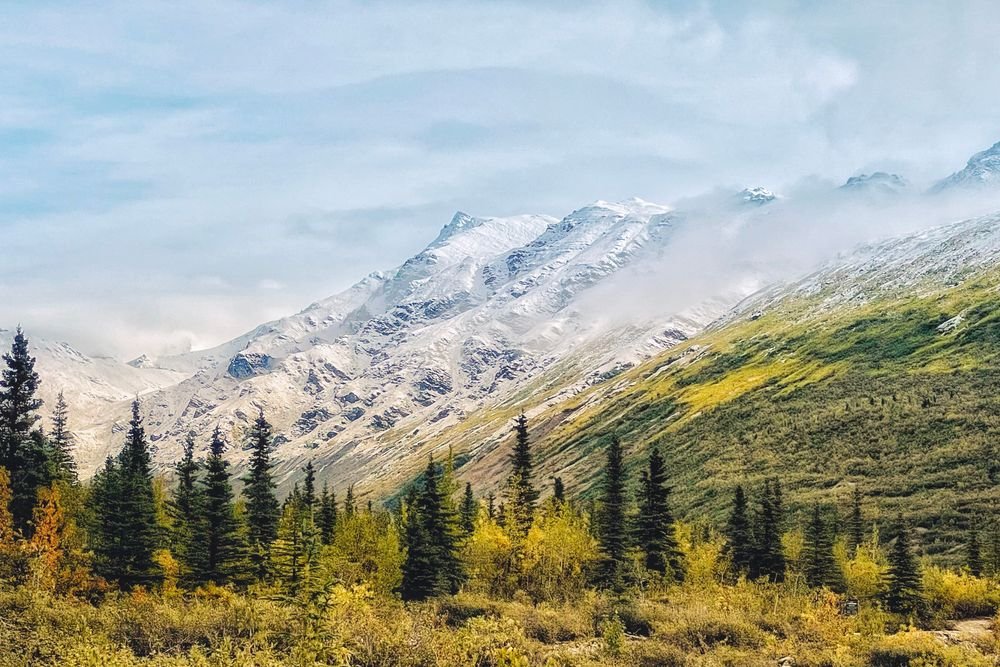
Best for: True wilderness, wildlife spotting, Northern Lights, bucket-list travel
I have visited many remote places. I have hiked in forests far removed from human settlements. Yet, nothing prepared me for just how small I felt in Denali.
If you truly want to feel remote—not just the “crowded park with a long road” kind of remote, but a genuine, deep-wilderness kind of remote—then Denali in August is the place for you.
The Park Road stretches 92 miles into the interior, but only the first 15 miles are open to private vehicles. Beyond that, you travel by bus. That might sound like a hassle, but it is actually fantastic. The buses move slowly, stop for wildlife sightings, and transform the journey into a rolling safari through one of North America’s most pristine landscapes.
Important note for 2026: Due to the Pretty Rocks landslide, the Park Road is currently accessible only up to Mile 43 (near the Toklat River). Travel beyond Mile 43 is not possible this year. Plan your trip accordingly—the best wildlife viewing spots in Denali are still accessible within this range, but a full trip to the Eielson Visitor Center is not possible in 2026.
- August Weather: Day: 55–65°F | Night: 35–45°F (Note: Late August can bring early autumn snow showers, pack full winter layers).
- Best Camping Spots: Riley Creek Campground (near the entrance—open year-round) and Savage River Campground (Mile 15—stunning mountain views).
- 2026 Road Restriction: Denali Park Road is strictly closed at Mile 43 due to the ongoing Pretty Rocks landslide. Eielson Visitor Center and Kantishna remain inaccessible by bus or vehicle this year.
- Entry Fee: $15 per person (Valid for 7 days) or the America the Beautiful Pass.
- Permits & Transit: Private vehicles are allowed only up to Mile 15. To travel up to Mile 43, you must reserve a Transit Bus or Tour Bus ticket in advance via Reservedenali.com.
You might also catch the Northern Lights on clear nights in Denali during late August. I have seen them twice during August visits. Standing under that dancing green sky makes every bit of the long journey to Alaska completely worth it.
8. Channel Islands National Park, California
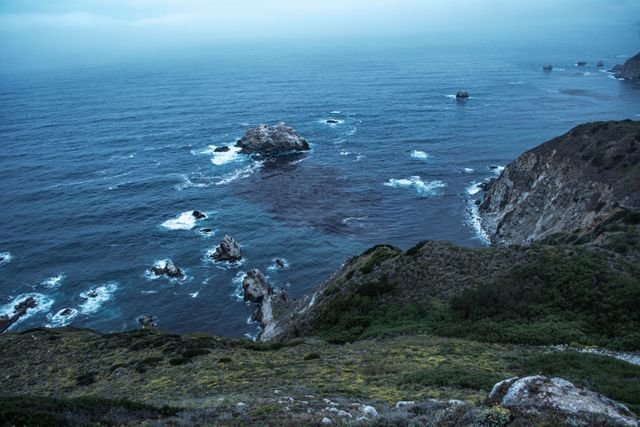
Best for: Island adventures, whale watching, snorkeling, kayaking, and tranquility.
This is a “dark horse” (hidden gem) on the August list.
The Channel Islands are located off the coast of Southern California and are accessible only by boat or small plane. Because they are somewhat difficult to reach, crowds remain thin even during the peak summer season. It does require some preparation—you need to plan ahead, book a boat trip, and perhaps arrange for camping.
The reward? August marks the peak of blue whale season. The largest animals on Earth pass through these waters, and they can often be spotted during boat excursions. I have visited the Channel Islands three times and managed to spot blue whales twice; watching a creature that massive break the ocean surface right next to your boat is a feeling that stays with you forever.
The islands offer fantastic opportunities for hiking, kayaking through sea caves, and snorkeling in kelp forests. For first-time visitors, Santa Cruz Island—the largest and most accessible of the islands—is the best choice.
- August Weather: Day: 70–75°F (Perfect coastal sunshine) | Night: 55–60°F (Chilly island ocean breeze, pack windbreakers).
- 2026 Crowd Level: Very Low. Since access is strictly limited by ferry capacity, the islands never feel crowded.
- Entry Fee: Free entry. (However, transportation via Island Packers ferry costs around $65–$90 per person).
- Permits & Reservations: No entry permits required. However, if you plan to camp, backcountry and campground permits must be booked months in advance via Recreation.gov.
Essential Info: Boat trips are operated exclusively by ‘Island Packers’ from Ventura or Oxnard. Note for 2026: Be sure to check live docking schedules before booking, as ongoing pier construction at Scorpion Anchorage can alter daily island landing locations.
9. North Cascades National Park, Washington
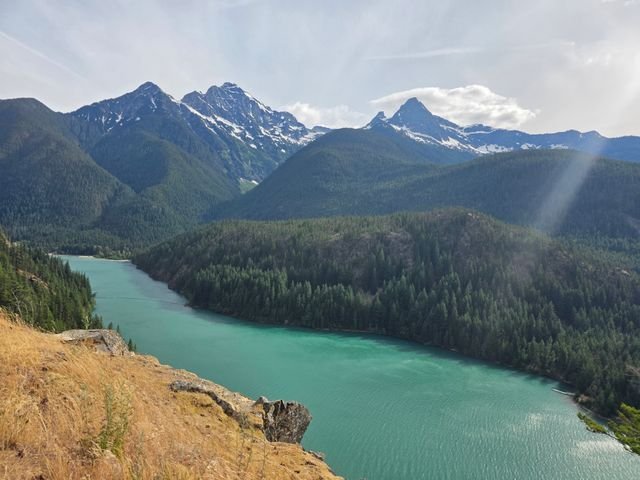
Best for: Serious hikers, backpackers, those seeking to escape the crowds, and anyone who thinks they’ve already “done” the Pacific Northwest.
I’ve been recommending North Cascades to people for years, and everyone who visits returns slightly annoyed with me for not sending them there sooner.
Here’s a statistic that surprises people: North Cascades typically sees fewer than 10,000 visitors during the entire month of August. Compare that to the Great Smoky Mountains—the country’s most visited park—which draws over a million visitors. North Cascades is by no means inferior to the Smokies; it’s simply quieter, tucked away from the interstate, and hasn’t yet been overrun by crowds.
The scenery here is truly spectacular with rugged peaks and hanging glaciers towering over valleys carved by turquoise rivers. Note for 2026: Keep an eye on local road conditions for State Route 20 (North Cascades Highway), as ongoing seasonal road repairs can cause minor daytime delays. The hiking is challenging yet rewarding, and most trails remain uncrowded.
August is the most reliable month for accessing the high country—snow lingers late into the season and returns early. Located just a short distance from Seattle and geographically situated between Olympic and Mount Rainier, the park is a perfect stop on a Pacific Northwest road trip.
Before you go: Amenities within North Cascades are scarce. Fill up your gas tank in Burlington or Sedro-Woolley and stock up on essentials before entering. Mobile service is unavailable in most parts of the park.
- August Weather: Lower valleys: 75–80°F | High alpine trails: 60–65°F (August offers the most reliable snow-free trails of the year).
- 2026 Crowd Level: Very Low. It remains one of the least-visited national parks in the country, ensuring complete peace.
- Entry Fee: Free entry. There is no fee to enter North Cascades National Park.
- Permits & Reservations: No vehicle reservations or timed-entry permits required. However, Wilderness Permits are strictly required for any overnight backcountry camping and must be reserved on Recreation.gov.
- Best Camping Spots: Colonial Creek Campground (located right on Diablo Lake) and Newhalem Campground (shaded by old-growth forest).
10. Mount Rainier National Park, Washington
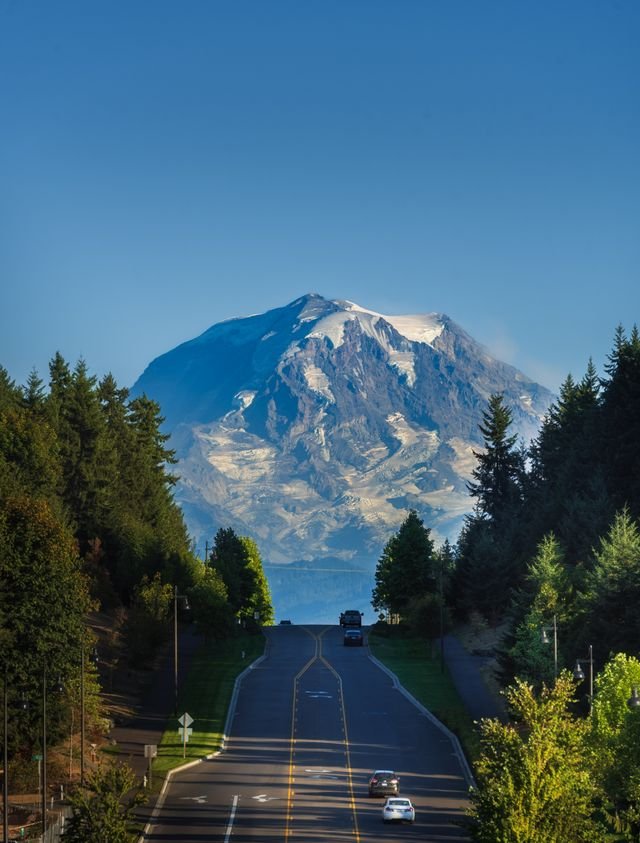
Best for: Wildflower meadows, photography, mountain hiking, and the beauty of the Pacific Northwest.
This is a place that many people outside the Pacific Northwest overlook, and I honestly don’t understand why.
In August, Mount Rainier offers perhaps the most spectacular national park experience in the entire country. The Paradise and Sunrise areas—two primary high-altitude zones—burst into bloom with wildflowers in July and reach their peak in early August.
We are talking about acres of lupine, paintbrush, aster, and avalanche lilies spread across open meadows, set against the backdrop of a 14,411-foot, glacier-capped volcano. I’ve stood in those meadows and was truly dizzy with the sheer beauty of it all.
August is the best month to visit as trails are completely snow-free. However, keep in mind for 2026 that both the Paradise and Sunrise corridors strictly require a Timed-entry Reservation via Recreation.gov between 7 AM and 3 PM. Even though Sunrise is historically less crowded, you still need a pre-booked slot to enter.
- 2026 Crowd Level: High. Entrance stations experience long delays without a timed-entry reservation.
- Entry Fee: $30 per vehicle (Valid for 7 days) or the America the Beautiful Pass. Note: This park is completely cashless.
- Permits & Reservations: Timed-entry reservations are strictly mandatory for the Paradise Corridor and Sunrise Corridor daily from late May through September 2026 (7:00 AM to 3:00 PM). Wilderness permits are required for overnight backcountry stays.
- Best Camping Spots: Cougar Rock Campground (near Paradise) and White River Campground (near Sunrise—first-come, first-served).
- August Weather: Paradise (5,400 ft): 60–65°F | Sunrise (6,400 ft): 55–60°F (Mornings are beautifully clear, afternoon clouds roll in quickly).
Must-do: The Skyline Trail Loop from Paradise. It’s a five-mile hike with a fair amount of elevation gain and mountain views in every direction. Start before 8:00 AM; the mountain peak often disappears into the clouds after noon or 1:00 PM, and you’ll want a clear view of it
Frequently Asked Questions
Q1. What is the biggest mistake travelers make when visiting national parks in August, and how do I avoid it
Ans:The biggest mistake is relying on real-time GPS apps like Google Maps for navigation and assuming campground spaces have last-minute openings. In peak August, cellular service drops to absolute zero deep inside parks like Olympic, Denali, and Yellowstone, which leaves unprepared travelers stranded. Always download offline NPS maps beforehand. Additionally, never enter a park assuming you can find first-come, first-served camping or parking after 9 AM; during late summer, popular trailheads fill up immediately, and wildlife safety mandates that you carry certified bear spray readily accessible (not packed deep in your trunk) in grizzly territories like Grand Teton and Glacier.
Q2. Should I only focus on national parks, or are there other top US destinations to visit in August?
Ans: While August is the absolute prime window for backcountry trail hiking, it is also a massive month for coastal beaches, scenic mountain towns, and local summer festivals. If you want to expand your summer itinerary beyond national parks to include hidden coastal gems, vibrant cities, or unique desert retreats, you should read our comprehensive companion guide on the [best places to visit in August in USA] to map out a complete, well-rounded late-summer vacation.