Here’s the uncomfortable truth nobody in these travel listicles wants to say out loud. Most people choose the wrong destinations when searching for the best national parks to visit in July. Consequently, they end up spending their hard-earned vacation stuck in endless parking lot traffic.
What mistake do most people make? They reflexively choose the big names—like Yellowstone, the Grand Canyon, or Yosemite—without realizing just how overcrowded these parks are in July. Parking lots fill up by 7 AM. Trails are packed with throngs of people. Campsite reservations are fully booked six months in advance.
I made that exact mistake myself. I drove five hours to reach a park, only to be turned away at the entrance at 9 AM because the parking lot was full; I ended up eating a granola bar in a gas station parking lot before driving back home. That trip taught me more about national park planning than any blog post ever could.
That’s why this guide is different. Instead of just listing the “best parks,” I’ll tell you which park suits which type of traveler, what the actual atmosphere is like at each park in July, where the crowds are heaviest, what has changed with the 2026 updates, and which parks you should avoid entirely—no matter how famous they are.
No recycled travel brochure advice—just real, updated insights for your summer road trip. Let’s get started.
Table of Contents
1. Olympic National Park, Washington
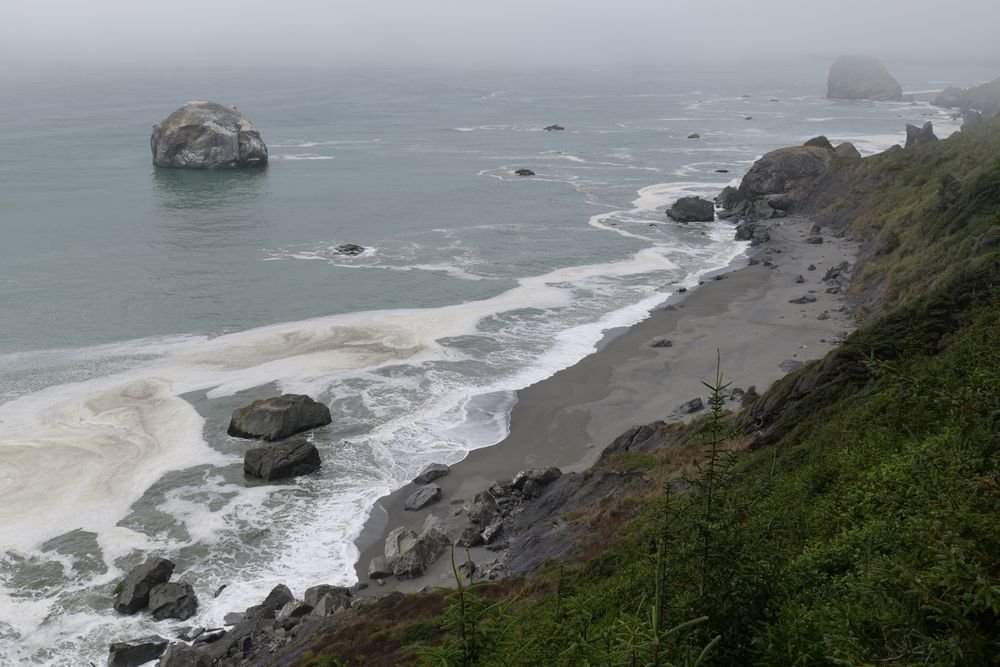
Olympic is one of the most unique parks in the country because it contains three completely different ecosystems: a rugged Pacific coastline, a temperate rainforest, and alpine meadows with glaciated peaks. And July is when all three are at their absolute best.
The Hoh Rain Forest is one of those places that stops you mid-step. Massive maple trees draped in moss, complete silence except for the river. The Hall of Mosses Trail (0.8 miles) is short but otherworldly — even young kids can manage it.
Important for 2026: Mora Road past the campground will be completely closed from July 8 through October 15, 2026, making Rialto Beach and Hole-in-the-Wall totally inaccessible. Shift your coastal plans to Ruby Beach or Second Beach instead.
For the alpine side, Hurricane Ridge offers incredible panoramic views and summer meadow walks. Keep in mind that the historic lodge is gone (rangers now operate from a temporary contact station), and a major utility project throughout July 2026 will cause periodic parking delays.
- July Weather Rainforest: 65–70°F, frequent mist | Coastline: 60°F with wind | Alpine: 60–70°F
- Entry Fee: $30/vehicle (Standard Pass) or America the Beautiful Pass. Note: This park is completely cashless, so bring a credit or debit card.
- Camping Kalaloch (most popular — book early), Hoh, Sol Duc
- Crowd Level Moderate — Hurricane Ridge and Hoh Rain Forest get busy midday
- Permits No timed entry permits currently required. Backcountry permits needed for overnight wilderness trips.
Pro Tip:- Olympic has no single entrance — plan your route based on which ecosystem you want first
2. Great Basin National Park, Nevada
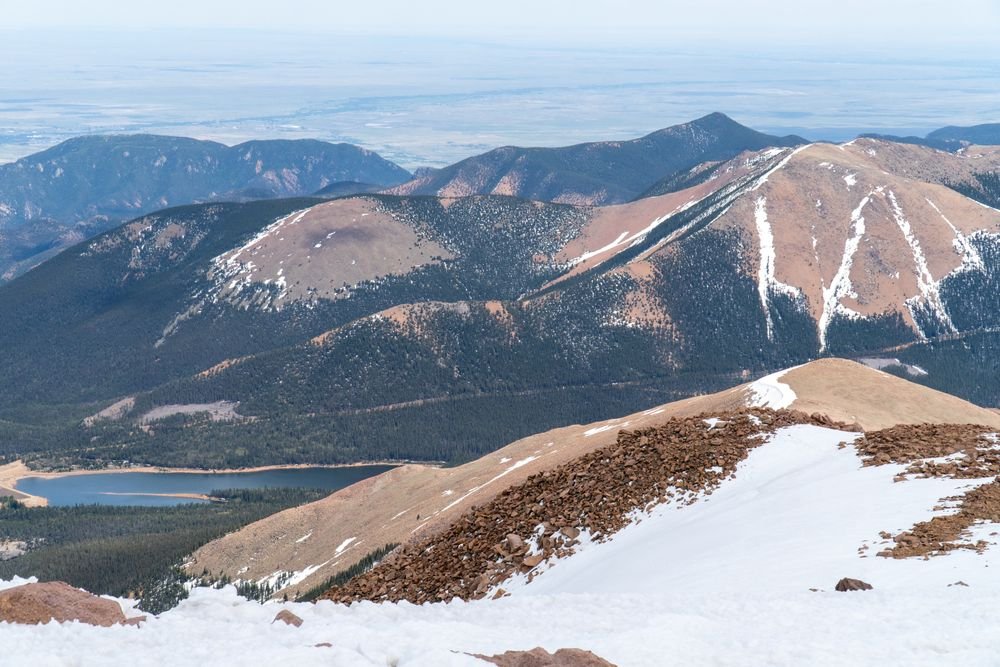
If someone told you that Nevada is home to one of the country’s least-visited national parks—featuring a 13,000-foot mountain and one of the darkest night skies in the Western Hemisphere—you might think they were making it up. But Great Basin has it all.
Wheeler Peak (13,063 feet) is Nevada’s second-highest point, and the hike to the summit (an 8.6-mile round trip with a 2,900-foot elevation gain) passes through an active glacial cirque and ancient bristlecone pines—some of the oldest living organisms on Earth, dating back over 5,000 years.
Lehman Caves are a subterranean marvel, but take note for July 2026: the park has been upgrading its massive 1970s electrical and lighting system. As a result, standard full-cave tours are unavailable, and rangers are currently operating a modified 30-minute Gothic Palace Lantern Tour that must be booked well in advance on Recreation.gov.
At night, the park’s International Dark Sky designation means the Milky Way is visible to the naked eye on clear nights. The park’s astronomy program runs on Friday and Saturday nights during the summer, featuring free stargazing sessions with rangers.
- Crowd levels are very low — rarely exceeding 25,000 visitors in a month
- Permits: No permit required for day hikes. Backcountry camping: Free self-registration.
- Entry fee: Free park entry. Cave tours: $10–$16 per person
- July Weather: Lower elevations: 85–90°F | Above 10,000 ft: 65–70°F Low temperatures drop to 35–55°F
- Camping: Upper Lehman Creek, Lower Lehman Creek, Wheeler Peak — mostly first-come, first-served
2026 Update: Due to ongoing infrastructure adjustments for the new lighting system, cave tours are completely blocked out on specific weekdays in June and July. Always verify the latest tour calendar on the official Lehman Caves Tours Page before heading out.
3. Glacier National Park, Montana
Best for: First-time visitors and serious hikers
If I had to choose just one park for July, it would be Glacier. It is in a league of its own.
Some parks are beautiful Glacier is in a completely different category. I have visited many national parks and remember them all well. But the first time I drove along the ‘Going-to-the-Sun Road’ and looked down the 3,000-foot drop from the ‘Garden Wall’ into the valley, I actually stopped the car and sat on the hood for twenty minutes, just taking it all in. It was one of those moments where your mind struggles to fully process and store the experience.
The ‘Going-to-the-Sun Road’—a 50-mile mountain highway that crosses the Continental Divide—usually doesn’t fully open until late June or early July. This makes July the perfect time to visit: everything is open, the wildflower meadows at Logan Pass are in full bloom, and the snowfields are pristine white, making for stunning photographs.
The ‘Highline Trail’ (11.8 miles, with minimal elevation change) runs along the Continental Divide from Logan Pass, offering unobstructed views the entire way. Mountain goats wander past hikers as if they were merely pieces of scenery. It is one of the most photographed trails in America, and standing there, you instantly understand why.
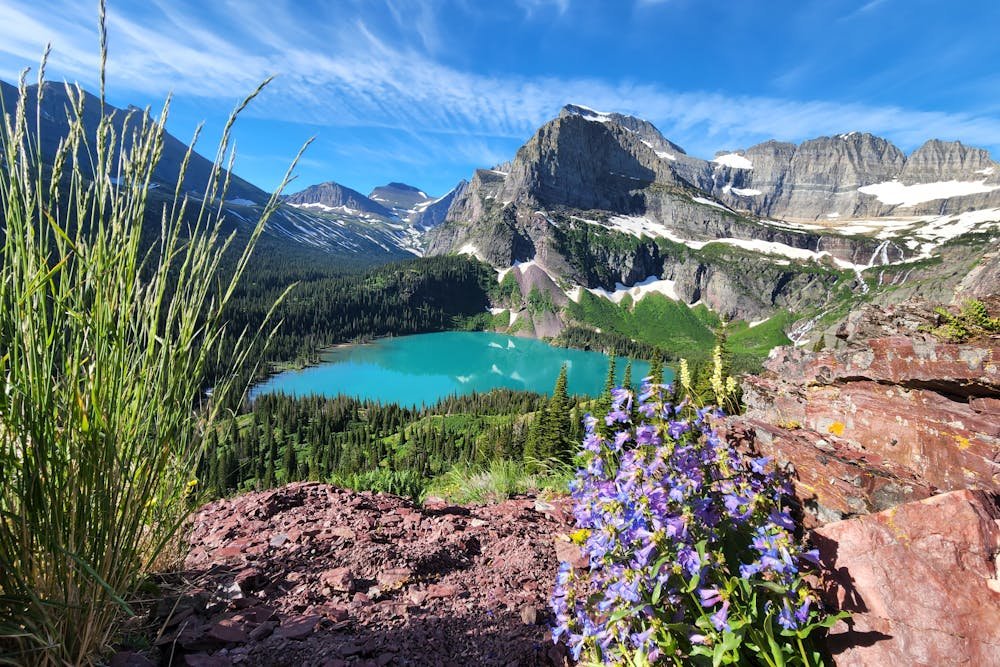
For a shorter option, the ‘Hidden Lake Trail’ (2.7 miles from Logan Pass) leads to a lake so blue and so perfectly cradled by the mountains that it looks as though it were placed there intentionally. Even if you are short on time, don’t miss it.
Many Glacier—located in the eastern part of the park—deserves special mention. It is less crowded than the western entrance, arguably more spectacular, and is home to the Grinnell Glacier Trail (7.6 miles round-trip). You pass three lakes, spot grizzly bears on the slopes above, and actually reach the receding glacier itself. Given the rate of its retreat, there is a sense of urgency each time you visit in July.
- Location: West Glacier, Montana (Nearest major airport: Glacier Park International)
- Crowd Levels: Heavy at Logan Pass; crowds are more manageable at Many Glacier and Two Medicine
- Entry: $35/vehicle or ‘America the Beautiful Pass’ ($80/year)
- July Weather: High 75°F (24°C) | Low 45°F (7°C) | Afternoon thunderstorms are common above the tree line
- 2026 Permits: No vehicle reservations are required anywhere in the park for 2026. However, if you plan to use the Going-to-the-Sun Road Shuttle, a mandatory reservation ticket ($1 processing fee) must be pre-booked on Recreation.gov.
Pro Tip: Since private vehicles have a strict 3-hour parking limit at Logan Pass starting July 1, 2026, you cannot park there for long day-hikes. Secure a spot on the new Reservation-Only Express Shuttle from Apgar or St. Mary instead to avoid the parking enforcement.
2026 Update: Along with checking the annual snow-clearing schedule on NPS Glacier, be aware that rangers will enforce temporary road closures and vehicle diversions at the entrances in July if the park reaches maximum capacity.
4. Mount Rainier National Park, Washington
Best for: Wildflower enthusiasts and day-hikers from Seattle
If you have driven towards Seattle on a clear morning and spotted a massive white pyramid floating above the horizon—that is Rainier. It is the most heavily glaciated peak in the contiguous United States, visible from up to 100 miles away on clear days.
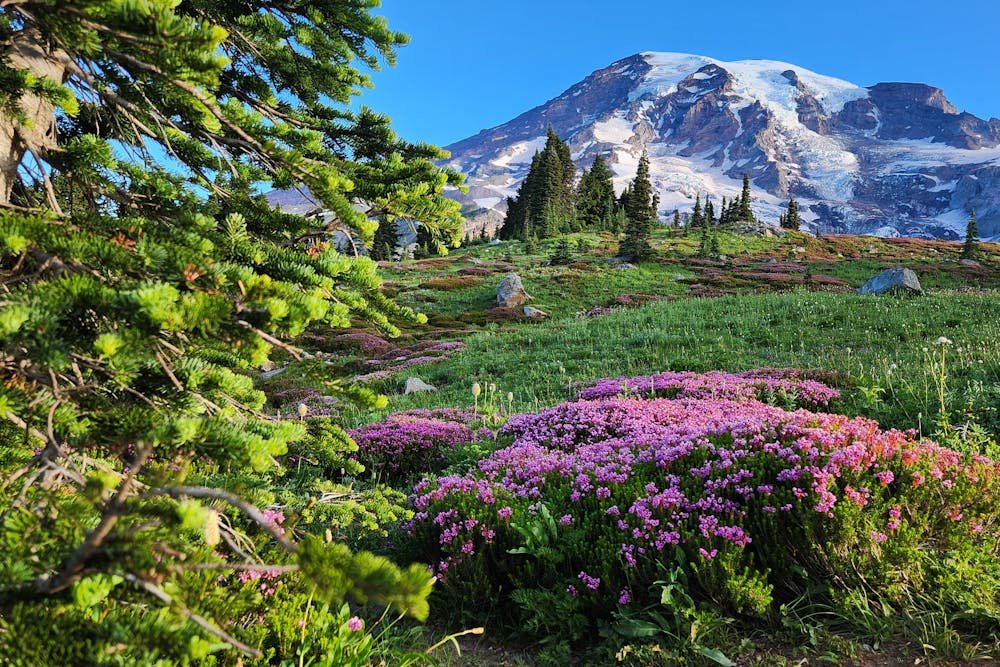
July is the best month to visit. The wildflower meadows around Paradise (the main visitor area at an elevation of 5,400 feet) are in full bloom between mid-July and early August. Flowers such as lupine, Indian paintbrush, avalanche lilies, and Cascade asters carpet the meadows. Photographers stake out their spots before sunrise and stay until the “golden hour” light fades.
The Skyline Trail Loop (5.5 miles from Paradise) takes you through these meadows, above the tree line, and up to Panorama Point, offering views of the peak’s glaciers. It is rated “moderate”—involving some uphill sections but no difficult technical terrain. Start early on summer weekends, the parking lot at Paradise fills up by 9:00 AM.
While the famous Grove of the Patriarchs remains completely closed for 2026 due to ongoing suspension bridge repairs from flood damage, you can still experience ancient forest magic nearby. Take the Silver Falls Trail (3-mile loop from Ohanapecosh Campground) instead, which rewards you with roaring glacial waters and massive Douglas firs without the bridge-closure disappointment.
Sunrise—the park’s other main area, situated at an elevation of 6,400 feet—typically opens in early July and offers the closest vehicular access to the summit of Rainier. It also boasts some of the best photography spots in the Pacific Northwest.
- Crowds: Paradise gets crowded on weekends—arrive before 8 AM or after 4 PM
- Entry: $35/vehicle or ‘America the Beautiful Pass’
- Best Camping: Cougar Rock (most popular, near Paradise); Ohanapecosh (near Grove of the Patriarchs). Both bookable via recreation.gov.
- 2026 Permits: Mandatory Timed-Entry Reservations are required for both the Paradise Corridor (via Nisqually/Stevens Canyon) and the Sunrise Corridor from 7 AM to 3 PM throughout July. Secure your specific time slot on Recreation.gov months in advance.
Pro Tip: If you missed out on summer reservation slots, you can still enter either corridor without a permit before 7 AM or after 3 PM. Catching a July sunrise at the Sunrise area is spectacular and completely bypasses the reservation check-point.
5. Denali National Park, Alaska
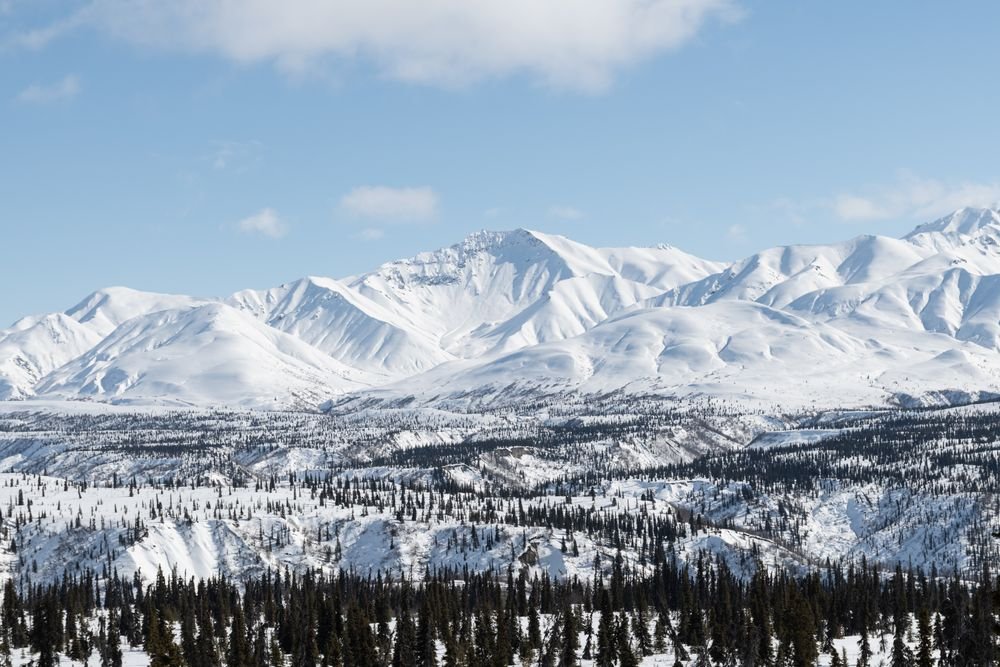
If you ever want to truly feel small, visit Denali in July.
Denali—formerly known as Mount McKinley—is the highest peak in North America, standing at 20,310 feet. On a clear day in July, it dominates the sky so completely that everything else seems like a mere foothill. However, the mountain is shrouded in clouds about 70% of the time; catching a full view of it feels like a special gift. Don’t go just for the peak—go for everything else, too.
There is only one road in the park (the 92-mile Denali Park Road), and private vehicles are restricted to the first 15 miles. For the entire July 2026 season, due to the critical Pretty Rocks Landslide bridge construction, all transit and tour buses strictly turn around at Mile 43 (East Fork Bridge), meaning deep-wilderness highlights like Eielson Visitor Center remain closed.
Alaska experiences its longest days in July. The sun rises at 4:30 AM and sets around midnight, bathing the landscape in golden light for hours. Wildlife is most active early in the morning—yet another reason to rise early.
- Entry Fee: $15/person (7-day pass) or ‘America the Beautiful Pass’
- Permits & Booking: Backcountry permits are required. Book all transit and Tundra Wilderness Tour buses well in advance via Reserve Denali. Note: All park facilities are completely cashless for 2026.
- Camping: Riley Creek and Savage River campgrounds are open and bookable online, but the famous Wonder Lake Campground is completely closed for 2026 due to the road closure.
- Insider Tip: Book a flightseeing tour over the Alaska Range—the view of Denali from a small plane at 12,000 feet on a clear morning is one of the most unforgettable experiences in Alaska. Several operators operate from the park
6. North Cascades National Park, Washington
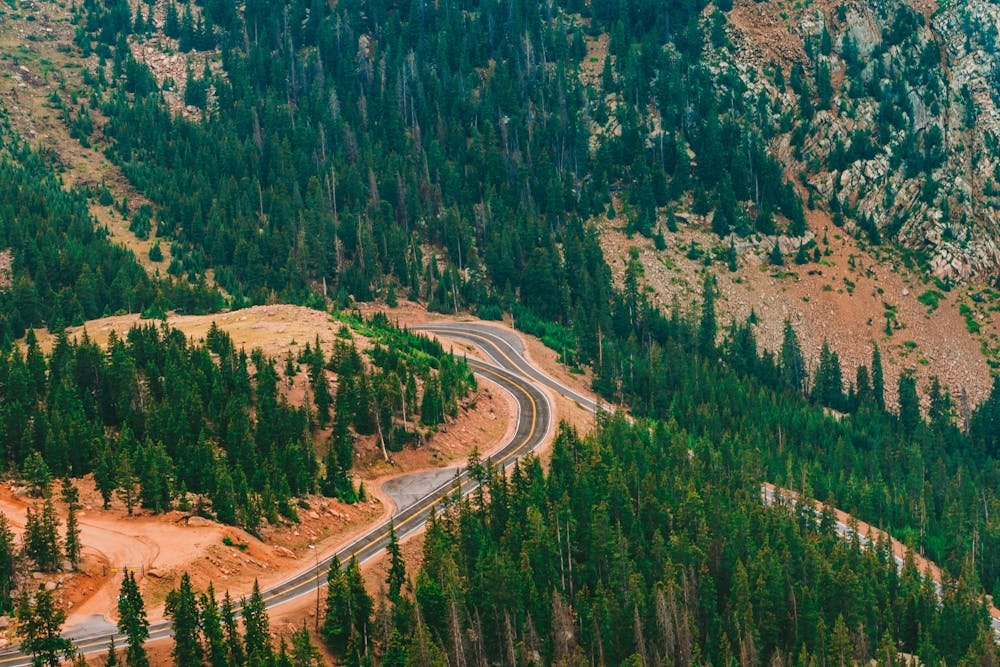
North Cascades is one of America’s least-visited national parks—which is surprising, given that it boasts more glaciers than any other U.S. park and offers some of the most spectacular mountain scenery you will ever see.
It is the kind of park experienced hikers prefer to keep to themselves; this might seem a bit selfish, but it is certainly worth the exclusivity.
The park is situated along the North Cascades Highway (State Route 20), one of the most scenic drives through the mountains of the Pacific Northwest. Even non-hikers can enjoy the experience by driving the route and stopping at the Washington Pass Overlook (where the Liberty Bell peaks rise sheer and stunning) and Diablo Lake Vista Point (where the water’s turquoise hue looks almost photoshopped).
The Maple Pass Loop (7.2 miles) is often cited as one of Washington’s best hikes. It winds around a mountain offering views of Lake Ann and Maple Pass, featuring subalpine meadows filled with wildflowers in July. Go early—parking at the trailhead is limited and often fills up by 8 a.m. on weekends.
The Cascade Pass Trail (7.4 miles round-trip) is another fantastic option, leading to a historic pass used by Indigenous peoples and early explorers. In the afternoon light, the alpenglow on nearby Johannesburg Mountain is indescribably photogenic.
- Crowd levels low to medium — one of the least visited parks in the NPS system
- Free entry (no entrance fee for North Cascades NP)
- Backcountry camping permits: Required for all overnight stays. It is no longer free—2026 fees are $26 per permit plus a $10 per person, per night fee, bookable on Recreation.gov.
- Camping: Newhalem Creek and Goodell Creek campgrounds are open but have transitioned completely to reservation-only for the peak July season. Book well in advance.
- Pro Tip: While SR-20 is fully open from winter snow by July, check the WSDOT travel map before heading out. Major 2026 roadwork and rock-slope stabilization projects near Washington Pass are causing single-lane restrictions and 20-minute delays during weekdays.
7. Katmai National Park, Alaska
Best for: Wildlife photographers and bucket-list seekers
When narrowing down the best national parks to visit in July for raw wildlife action, Katmai National Park absolutely steals the crown. Let me tell you about the unbelievable spectacle that unfolds at Brooks Falls during this exact month.
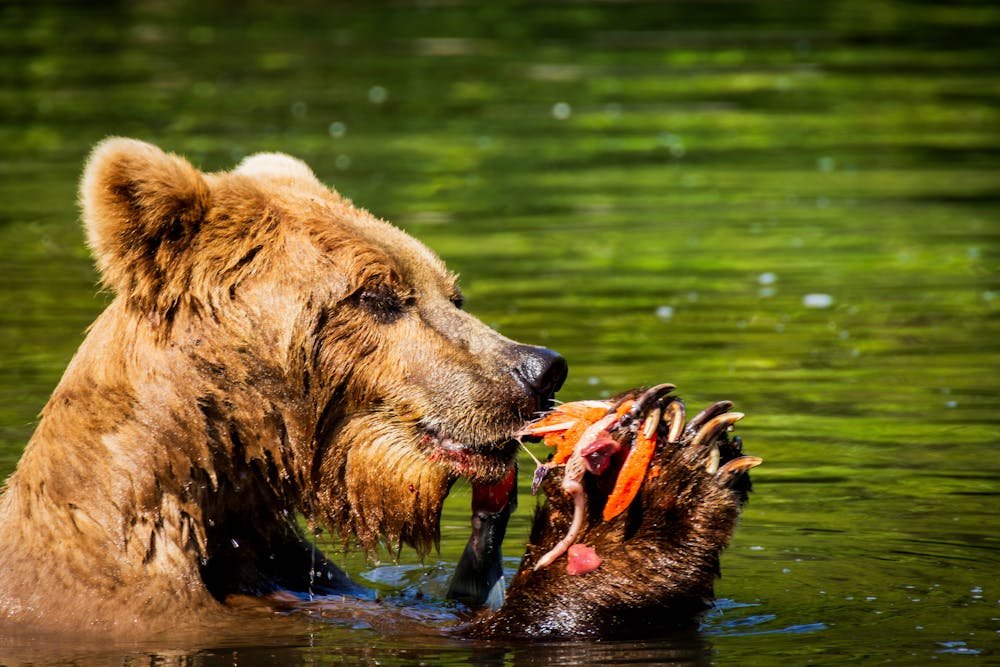
A 700-pound brown bear steps into the waterfall, opens its mouth, and catches a 10-pound sockeye salmon that was airborne just half a second earlier. Then another bear does the same. Then five bears do it at once, jostling for position; salmon fly through the air, and the water churns into white foam. No zoo. No fences. Forty feet away.
Every July, when sockeye salmon begin their annual migration up the Brooks River, Katmai’s population of approximately 2,200 brown bears gathers at Brooks Falls. It is arguably America’s most spectacular wildlife spectacle. The first and second weeks of July are the best times to visit, as salmon numbers peak and the bears are most active.
Access is intentionally limited to preserve the integrity of the experience. You fly to King Salmon and then take a floatplane to Brooks Camp. There are three elevated viewing platforms connected by boardwalks. A briefing from a park ranger is mandatory before you approach the bears—yes, mandatory. They are ensuring the safety of both you and the bears.
Book your flight tour 6 to 9 months in advance—this is no exaggeration. Bookings with operators like ‘Fly Katmai’, ‘Rust’s Flying Service’, and ‘Beluga Air’ for key dates in July fill up as early as the preceding October. Visiting in July virtually guarantees sightings of bears catching salmon; this guarantee diminishes significantly by August.
Important note: Tripods are prohibited on the main upper viewing platform. Bring a monopod or a fast lens instead. If the platform reaches capacity, rangers will ask visitors to take turns viewing—be patient; the experience is well worth it.
- Crowd Levels: Crowds are limited due to restricted access; despite its popularity, the area retains a wild, remote feel.
- Entry Fee: $0 (Free admission to the park). However, expect floatplane day-tours to cost anywhere between $800–$1,200 per person from Anchorage or Homer due to 2026 fuel adjustments.
- 2026 Permits & Lodging: No NPS entry permits are required for day-trippers. However, the Brooks Camp Campground requires strict advance booking through Recreation.gov. Be warned that July slots sell out within minutes when they open on January 5th.
Pro Tip: Visit on a Tuesday or Wednesday—the platform gets very crowded on weekends. Mid-morning is quieter compared to the early morning rush when day-trip groups arrive en masse. Rules for Safety Around Bears
Upon arrival, park rangers provide essential information on safety around bears. Eating and drinking are prohibited outside designated areas. If a bear passes through the campsite (which does happen), stand your ground and give it the right of way. This is their home—you are a guest here.
8. Theodore Roosevelt National Park, North Dakota
Best for: Wildlife watching and avoiding summer crowds
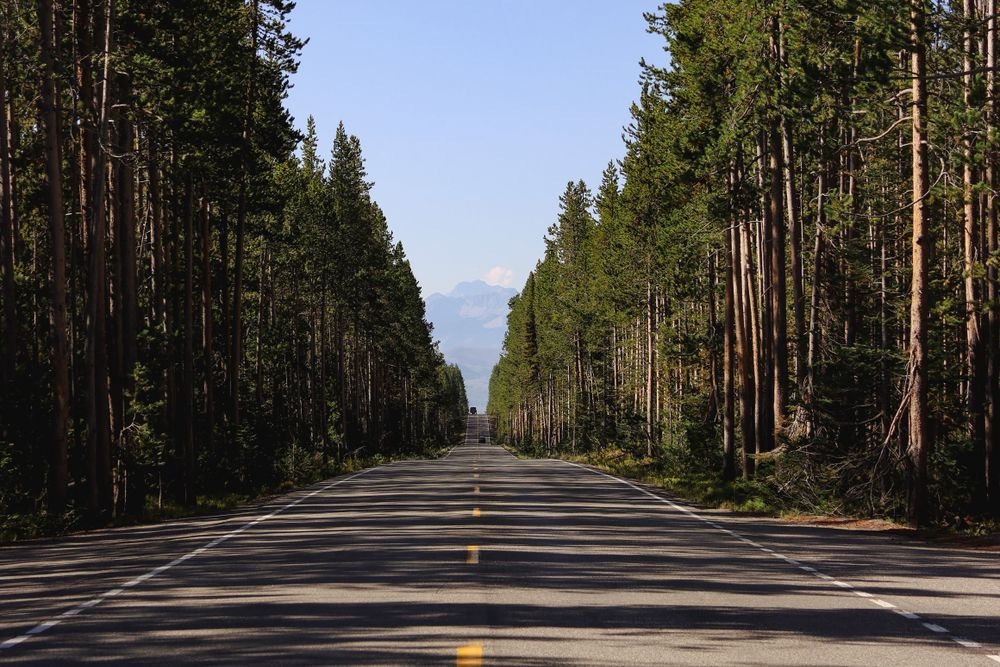
Most people skip this place. That is their loss. Theodore Roosevelt National Park preserves North Dakota’s ‘Badlands’—a landscape featuring sculpted buttes, petrified wood, and magnificent canyons carved by the Little Missouri River. It is a dusty, rugged, and wild place that feels truly untamed and natural.
The park is home to bison. They aren’t kept in enclosures; they roam freely in herds—sometimes numbering in the hundreds. In July, bison calves are young, and the males are in mating season—their calls can be heard from miles away.
Following a massive $51 million restoration project, the iconic 36-mile Scenic Loop Drive in the South Unit is fully reopened and repaired for the 2026 summer season, letting you drive the entire route without turning back [Scenic loop at Theodore Roosevelt National Park reopens]. Meanwhile, if you hike the North Unit’s Petrified Forest Trail (10.3 miles), make sure to follow the new officially marked detour from I-94 (Exit 10) to respect updated park boundaries [Current Conditions – Theodore Roosevelt National Park (U.S. …].
- July Weather: Average high 90°F (32°C) | Low 62°F (17°C) | Can get hot—hike early in the morning
- Crowds: Very low—one of the most underrated parks in the system.
- Entry Fee: $30/vehicle. Note: Starting May 1, 2026, the park has transitioned to a 100% cashless system, so only credit cards, debit cards, or digital payments are accepted at checkpoints [Theodore Roosevelt National Park to move to cashless fee …].
- Camping & Permits: Day hiking requires no permits, and backcountry camping remains free (pick up permits at the visitor center) [Permit & Reservations – Theodore Roosevelt National Park (U.S. …]. However, all developed sites like Cottonwood and Juniper campgrounds now strictly require advanced reservations via Recreation.gov [Theodore Roosevelt National Park to move to cashless fee …].
- Pro tip: Never approach bison. They are much faster than they look and can be aggressive during the July mating season. Maintain a distance of at least 100 yards.
9. Kenai Fjords National Park, Alaska
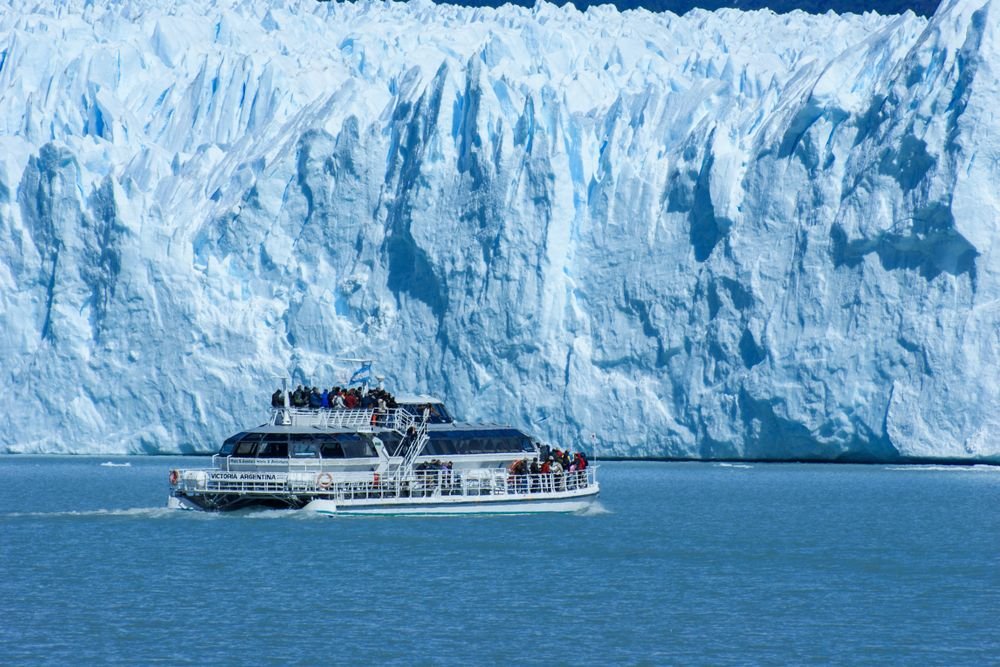
Best for: Ocean lovers, whale watchers, and glacier chasers
There is a unique kind of silence that falls when a humpback whale rises just twenty feet from your boat in a glacier-ringed fjord. It is unlike any other quiet. Everyone on board stops talking at once. Cameras are raised. No one breathes.
This is what happens in Kenai Fjords. Most of this park lies on the water. Tidewater glaciers calve icebergs directly into the sea. Sea otters crack open clams while floating on their backs. Puffins—specifically tufted puffins with their distinctive orange beaks—nest in colonies on rocky sea stacks. In July, humpback whales, orcas, Steller sea lions, and harbor seals can all be found in Resurrection Bay.
For the on-water experience, day boat tours depart from Seward. A 4-hour tour covers Resurrection Bay (sea lions, otters, puffins), while the full 8-hour Northwestern Glacier tour includes tidewater glaciers and open-ocean wildlife. Book 4–6 weeks in advance—July dates sell out completely. Kenai Fjords Tours and Major Marine Tours are the primary, reliable operators.
- Location: Seward, Alaska (125 miles south of Anchorage via the Seward Highway)
- Crowd level: Moderate in town; the park itself feels wild even during tours
- Entry Fee: $0 (Kenai Fjords National Park has completely free entry; there is no vehicle or per-person fee for the Exit Glacier area) [Kenai Fjords National Park Fees & Passes].
- Permits: No permit required for day use of Exit Glacier in 2026. For backcountry access, coordinate with the Seward Visitor Center.
- Best camping: Exit Glacier Campground (12 sites, first-come, first-served). Seward City Campground serves as an overflow option.
Pro Tip: Book your boat tours months in advance, especially for July weekends. Also, if you are driving to the Exit Glacier area, factor in an extra 30 minutes; ongoing 2026 bridge infrastructure repairs on Exit Glacier Road are causing single-lane traffic delays during mid-day hours [Kenai Fjords National Park Alerts].
10. Crater Lake National Park, Oregon
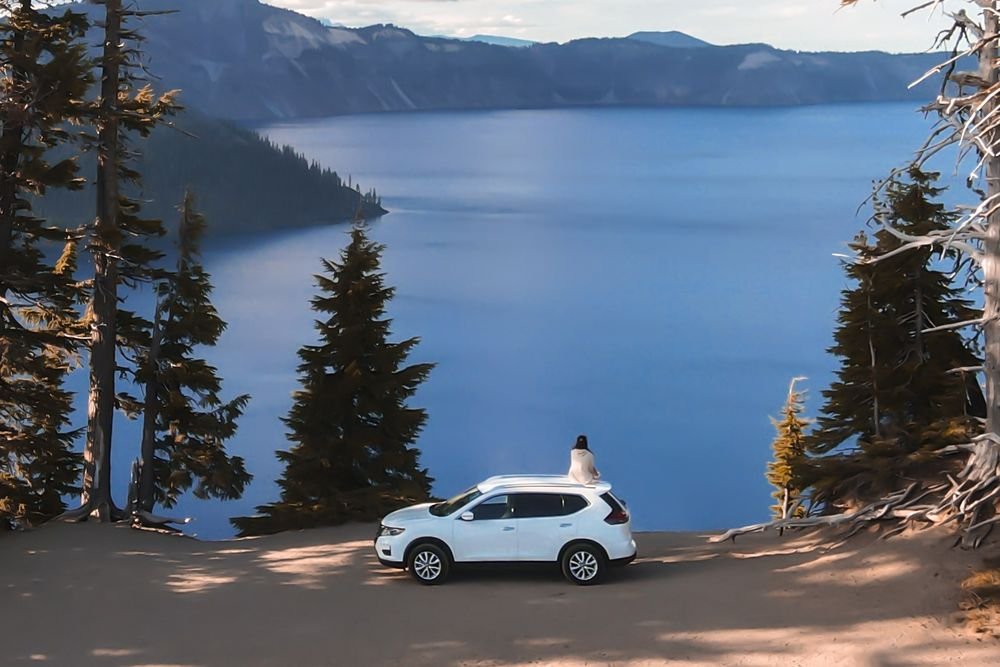
There is a specific moment when you first see Crater Lake — when you walk up to the rim and the water comes into view — where your brain genuinely can’t process what it’s seeing. That shade of blue doesn’t seem natural. It doesn’t seem possible.
Crater Lake formed about 7,700 years ago when a massive volcanic eruption caused Mount Mazama to collapse in on itself, creating a caldera that slowly filled with rainwater and snowmelt. At 1,943 feet deep, it’s the deepest lake in the United States. Nothing flows into it or out of it. What you’re seeing is essentially thousands of years of accumulated sky-water.
Most of the scenic Rim Drive becomes fully accessible by July, though you should check NPS Crater Lake for periodic single-lane construction closures on the East Rim section.
Important 2026 update: Cleetwood Cove Trail and all shoreline access—including Wizard Island boat tours—are completely closed for a massive three-year rehabilitation project, with a planned reopening in summer 2029. While you cannot touch the water, 18 other scenic hiking trails and the viewpoints along Rim Drive remain fully open.
- Crowd Level Moderate — rim area can get crowded at midday
- Entry Fee $35/vehicle or America the Beautiful Pass
- Permits No timed-entry permits currently required. Backcountry: permits from Steel Visitor Center.
- Camping Mazama Campground (largest — 214 sites). Lost Creek Campground (tent only).
11. Wrangell-St. Elias National Park, Alaska
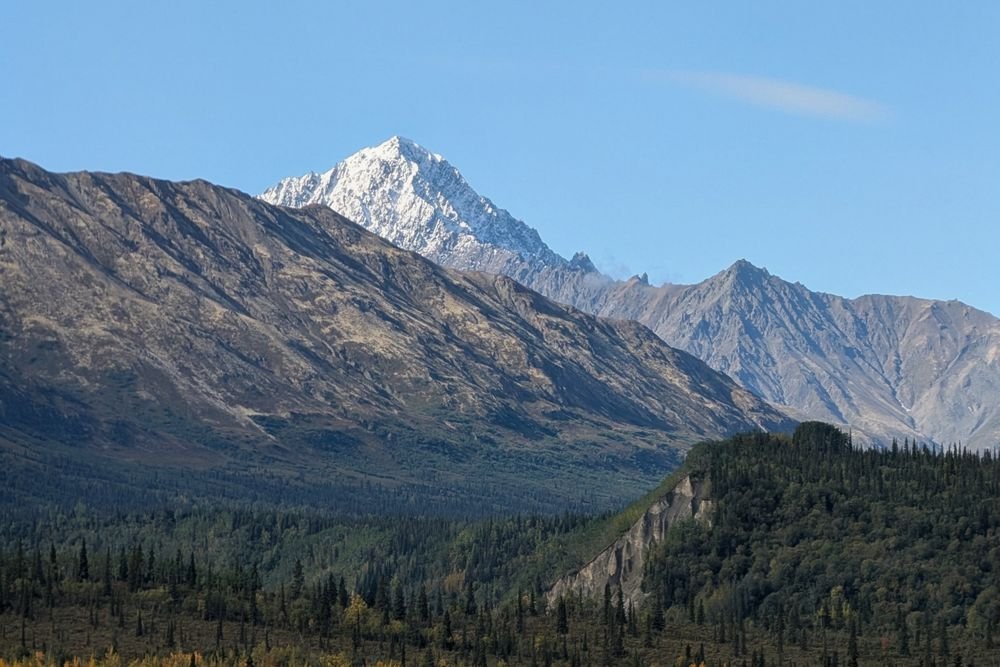
This is the largest national park in the United States—larger than Switzerland—yet it sees very few visitors.
Wrangell-St. Elias spans 13.2 million acres, featuring glaciers, volcanoes, and river valleys. Four of the 16 highest peaks in the U.S. are located within this park. The Bagley Icefield—one of the largest non-polar icefields in the world—lies at its heart.
July is the best month to visit. There are two main access routes: Nabesna Road (42 miles) and McCarthy Road (60 miles). In July, when the weather is dry, these roads can be traversed even without a 4WD vehicle, though both are unpaved and rugged. At the end of McCarthy Road lies Kennecott, a National Historic Landmark. It is a former copper-mining “ghost town” nestled at the foot of a brilliant blue glacier.
You can enjoy the Root Glacier walk from Kennecott for free—simply put on microspikes and walk on a living glacier. For a more adventurous experience, guided glacier hikes and ice climbing are available through “St. Elias Alpine Guides,” the primary operator in the area.
- Location: Glennallen, Alaska (main entry point) | McCarthy is a 5-hour drive from Anchorage
- Entrance Fee: Free.
- Permits: No permit is required for day activities. For river crossings and backcountry travel, consult rangers at Copper Center or McCarthy.
- Camping & Lodging: Free, primitive NPS camping is available at Kendesnii Campground (Mile 28, Nabesna Road) on a first-come, first-served basis . For the McCarthy/Kennecott side, you must rely on private lodges and walk-in tent sites.
Pro Tip: Rent a 4WD vehicle in Anchorage, as many standard rental contracts strictly prohibit driving on the unpaved McCarthy Road. Also, factor in an extra 45 minutes for your July 2026 trip due to scheduled bridge timber replacements and single-lane delays near the end of the route .
12. Lassen Volcanic National Park, California
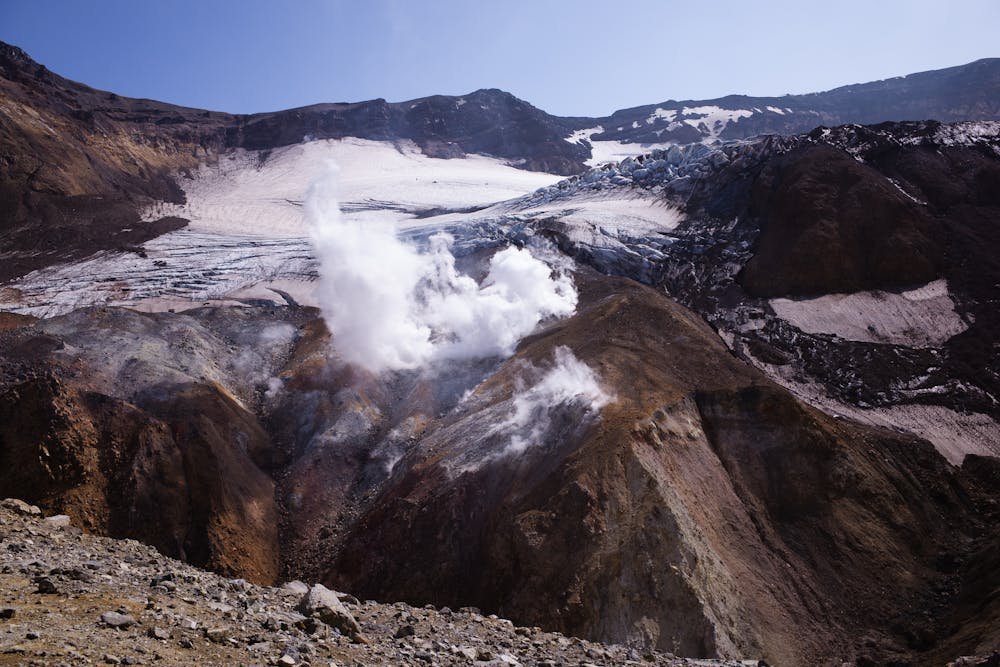
Best for: The Curious, the Unusual & Anyone Bored of Pretty Meadows
Lassen is the park where the planet is still figuring things out. Active hydrothermal features — boiling mud pots, steaming fumaroles, acidic hot springs — are scattered across the landscape in ways that feel genuinely unsettling.While Bumpass Hell is the park’s largest hydrothermal area, note that for July 2026, the entire Bumpass Hell Trail and boardwalk are completely closed for a major boardwalk reconstruction project . To see bubbling mud pots and steaming vents this summer, head directly to Sulphur Works instead, which remains fully open and accessible right off the main park road.
Lassen Peak itself (10,463 feet) last erupted in 1921 and is considered among the most likely volcanoes in the contiguous U.S. to erupt again. The summit trail (5 miles round trip, 2,000 feet elevation gain) is strenuous but rewards with views of Mount Shasta 75 miles to the north and the Sacramento Valley spread below on clear days.
The main park road (Highway 89) loops through the park and is typically fully clear of snow by early July — one of only about two months of the year it’s fully passable. This is a park with a genuine short season, which gives July a particular intensity.
- Entry Fee: $35/vehicle or America the Beautiful Pass. Note: The park has fully transitioned to a cashless fee system, so ensure you have a credit, debit, or digital card for entry.
- Permits 2026 No timed-entry permits required.
- Backcountry: wilderness permit from visitor center.
- Best Camping Manzanita Lake (214 sites, largest campground — reserve on recreation.gov). Summit Lake (first-come).
- Safety Note:-Hydrothermal areas at Lassen have claimed lives. Stay on all boardwalks in thermal zones — the crust can be paper-thin with boiling acidic water beneath. This isn’t dramatic park signage. It’s real.
Frequently Asked Questions
1. Are there any other incredible summer vacation spots or hidden gems in the US that I should consider for my July trip?
Ans: Absolutely! July is the ultimate month for epic road trips, vibrant mountain towns, and refreshing coastal getaways across the country. If you want to explore unique destinations, scenic beach towns, and local summer festivals beyond just wildlife trails, make sure to read my complete curated guide on the 20 Best Places to Visit in July USA (2026 Guide). It breaks down the perfect summer itinerary options to help you plan an unforgettable vacation.
2 What’s the best national park in July for families with young kids?
Ans: Olympic National Park wins here — the Hall of Mosses trail is flat and accessible, the tide pools at Ruby Beach keep kids occupied for hours, and there’s enough variety to keep everyone interested.Shenandoah National Park is a strong runner-up if you are on the East Coast, offering incredibly easy roadside overlooks and short, paved stroller-friendly paths with waterfall views.