I’ll be honest with you — before I visited Georgia, I had it completely wrong in my head. I imagined flat roads, peach orchards, and maybe a nice city or two. What I actually found was one of the most wildly diverse states I’d ever set foot in. Misty mountain towns, cobblestone streets dripping with Spanish moss, barrier islands straight out of a movie, and food that made me want to cancel my flight home.
If you’re planning a trip and wondering which places to visit in Georgia USA are actually worth your time (and money), this guide is exactly what you need. Instead of just listing places, I’ll tell you which ones are right for you, outline an actual road trip route you can follow, and share the mistakes I wish someone had warned me about beforehand.
Let’s get into it.
Table of Contents
The 10 Best Places to Visit in Georgia USA
1. Blue Ridge — The Mountain Town That Fixes You
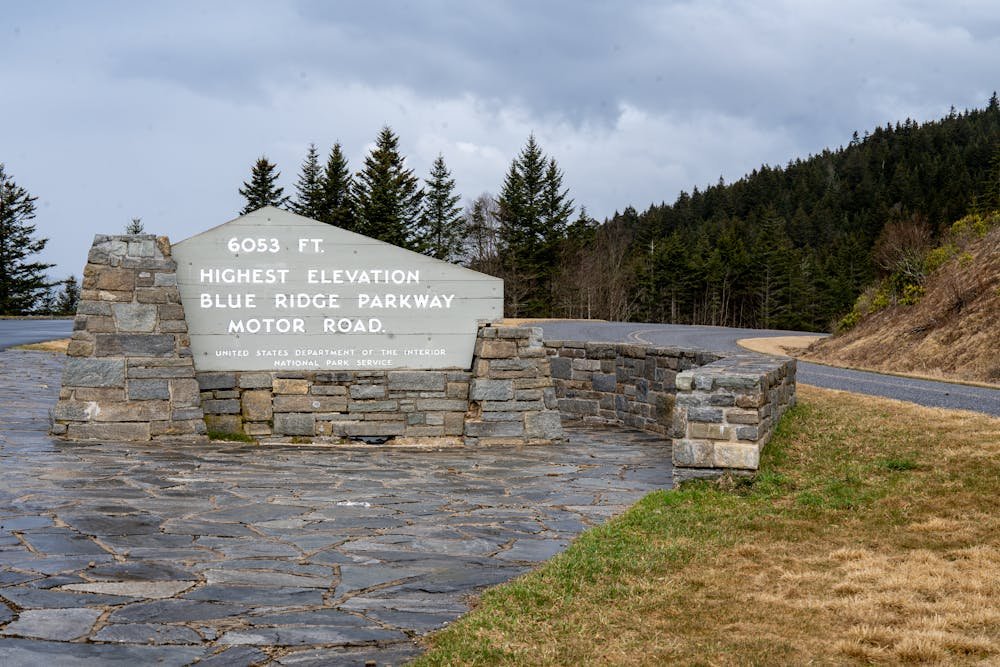
I drove up to Blue Ridge on a Friday in September after a long stretch of work travel, and I genuinely needed it to be good. It was better than good.
The town sits in the Blue Ridge Mountains of the Appalachians, about two hours north of Atlanta. It’s small — a walkable main street with local restaurants like Harvest on Main, galleries, and wine shops — but the landscape surrounding it is what makes it extraordinary. Mountains on every side, the Toccoa River running through the valley, hiking trails in every direction, and a quality of light in autumn that makes everything look like a painting someone spent too much time on.
My honest tip: Book cabin accommodation here, not a hotel. A mountain cabin with a fire pit and a porch overlooking the ridgeline is the entire point of Blue Ridge, and prices are more reasonable than you’d expect outside peak fall weekends.
Best Time to Visit:~ September–November
Best Stay: Local cabin rentals (Southern Comfort Cabin Rentals or Airbnb)
Drive from Atlanta ~1.5–2 hours north
Must-Do Blue Ridge Scenic Railway
Tip: Try to book the open-air car for the best views of the Toccoa River).
Real talk: Book your cabin well in advance for fall weekends. They sell out fast, and for good reason.
2. Tybee Island — Savannah’s beach, and it’s fantastic
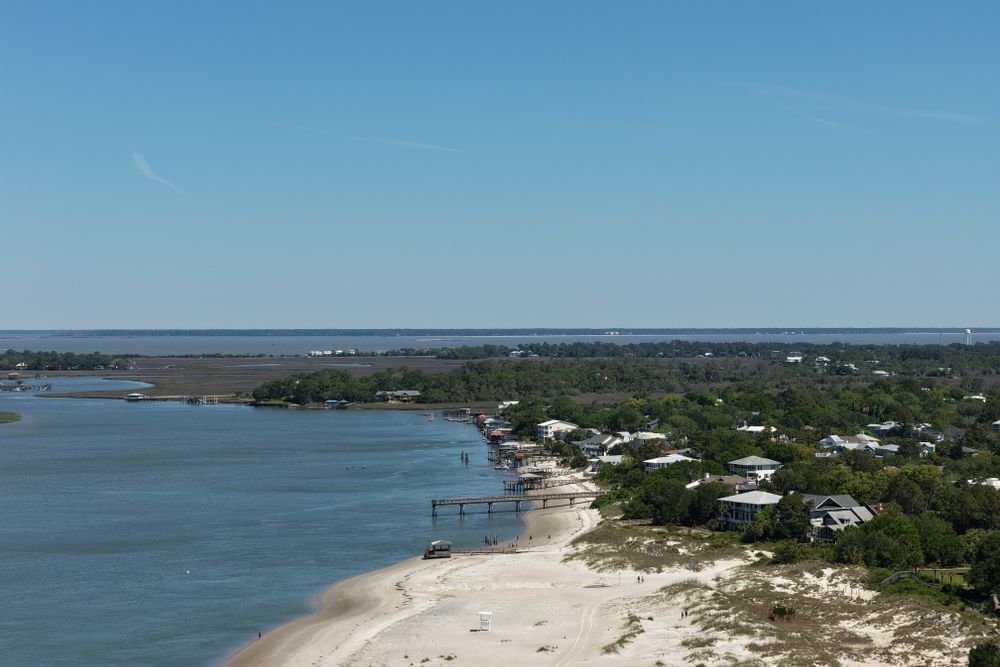
I’ve noticed that most beach towns in the South are either too crowded and commercialized, or so dead that you’re bored by 8 PM.
Located eighteen miles east of Savannah, Tybee Island is different from both. It has the lively vibe of a genuine beach town—complete with seafood joints, surf shops, and a fantastic pier—yet it is small enough (3 miles long and 1 mile wide) to avoid the chaotic frenzy often found at places like Myrtle Beach.
By East Coast standards, the beach here is quite wide and rarely overcrowded. The water stays warm from June through September. “What I love most is the laid-back, slightly quirky vibe here. It’s perfect if you’d rather rent a bike and explore than spending the entire day sitting in a beach bar.
That’s how I spent my Tuesday afternoon: I grabbed a cruiser bike from Fat Tire Bikes near the pier, toured the entire island, enjoyed fish tacos at ‘North Beach Bar & Grill,’ and then climbed the Tybee Island Lighthouse to take in a view of the coastline that stayed with me for weeks.
Drive from Savannah: ~25-30 minutes east
Must-Do: Climb the 178 steps of Tybee Island Lighthouse
Local Flavor: Fish tacos at North Beach Bar & Grill
Best for: Families, couples, and anyone looking to extend their Savannah trip by a day or two.
3. Savannah — The City That Feels Like a Living Novel
Best for: History lovers, couples, first-time visitors | Region: Coastal Georgia
There’s a reason Savannah keeps ending up on “most beautiful cities in America” lists. Walking through its 22 moss-draped squares feels less like tourism and more like stepping into a story.
I arrived on a sunday morning in October, and even then the city felt alive in a quiet, unhurried way. The cobblestone lanes along River Street, the gas-lit lampposts at dusk, the way locals sit on their porches like the rest of the world hasn’t caught up yet — it all adds up to something you don’t quite have words for until you’ve been there.
The honest truth about Savannah: It can feel touristy around River Street on weekends. The real magic is in the residential squares — Monterey Square, Crawford Square, Columbia Square — where locals actually live, and where the atmosphere feels less like a set piece and more like a real place with real history.
What I’d do with 2 days in Savannah:
• Day 1 morning: Walk every square in the historic district. Start at Forsyth Park (the fountain is iconic, but keep walking deeper into the residential squares)
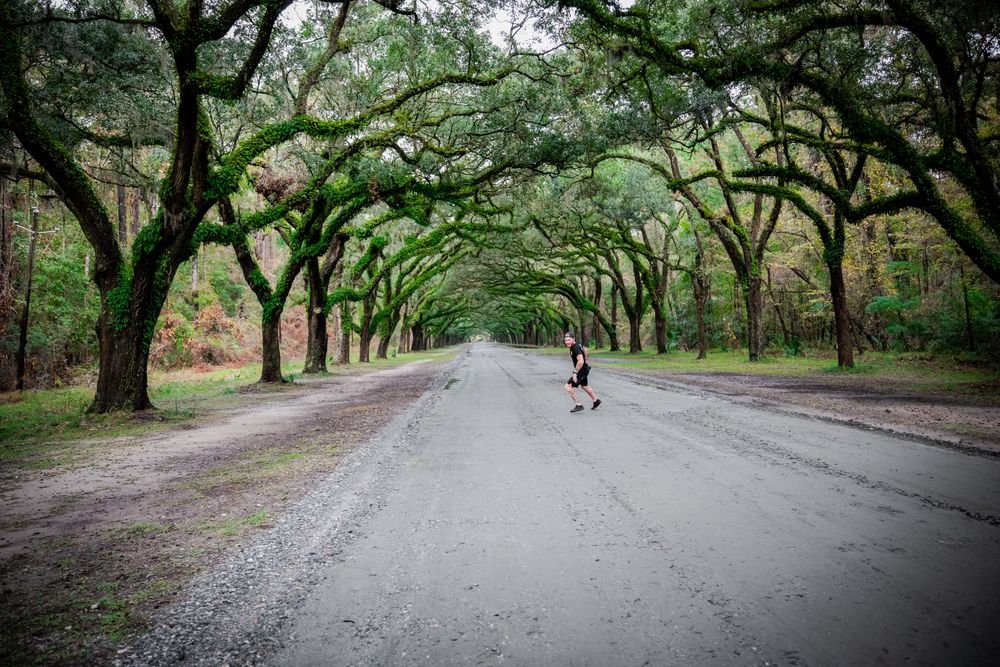
• Day 1 afternoon: Wormsloe Historic Site — a mile-long avenue of live oaks leads to the ruins of one of Georgia’s earliest settlements. It photographs like a dream
• Day 1 evening: Dinner at The Olde Pink House (pro tip: book tables weeks in advance!), then a ghost tour with Hearse Ghost Tours at 9pm
• Day 2: Day trip to Tybee Island (which we just covered above), or Bonaventure Cemetery in the morning, then afternoon kayaking in the marsh
4. Cumberland Island — America’s Wildest Beach
Best for: Nature lovers, adventure seekers, off-grid travelers | Region: Georgia Coast
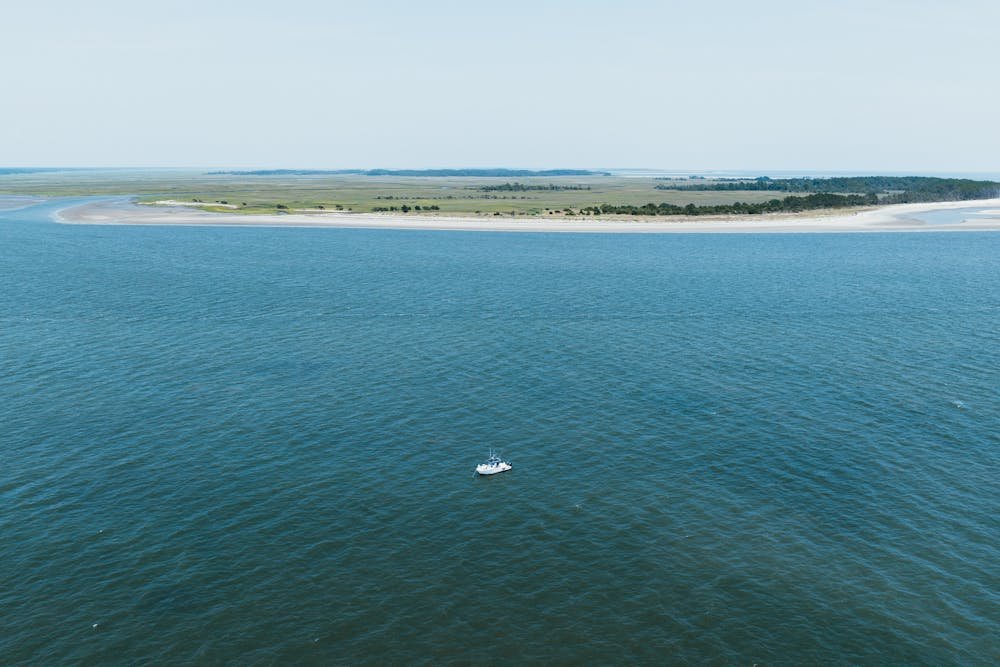
Getting to Cumberland Island is not easy. That’s exactly the point.
You take a ferry from the small town of St. Marys. There are no cars, no paved roads, no shops. What you get instead is 17 miles of pristine Atlantic beach, ancient live oak forests draped in Spanish moss, wild horses roaming freely along the shoreline, and a silence that feels almost foreign to modern ears.
This is probably the most unspoiled beach in the entire Eastern United States. Sitting on that empty beach with just the sound of the waves and a wild horse in the distance—it genuinely felt like a spiritual reset.
Important logistics:
- Ferry reservations are required and book up weeks in advance (you can secure your tickets online at the official Cumberland Island Ferry website)
- Camping is the main overnight option (book through recreation.gov)
- Bring everything you need — food, water, sunscreen (and remember, the park is 100% cashless now!)
- The Dungeness ruins (a Gilded Age mansion) are hauntingly beautiful
Best Time to Visit: April–June, September–October
How to Get There: Ferry from St. Marys (45 mins)
Ferry & Park Cost: $44 ferry + $15 park entrance pass
Must-See: Wild horses roaming the beach & Dungeness Ruins
5. Jekyll Island — Protected, Peaceful, Perfect
There are barrier islands all along the American Atlantic coast, and most of them are covered in high-rise hotels. Jekyll Island, thankfully, didn’t get that memo.
Georgia state law limits development here to 35% of the island’s total area. The result is a place that still feels largely wild — 10 miles of uncrowded beach, maritime forest and salt marsh, bike trails running the full length of the island, and a protected historic district with some of the most interesting Gilded Age history you’ll find anywhere.
The “cottages” (actually enormous mansions) of the Jekyll Island Club Historic District were built by Rockefellers, Vanderbilts, and Morgans in the late 1800s. They used the island as a private retreat — at one point, it was said that one-sixth of the world’s wealth assembled here each winter. Now those buildings are a National Historic Landmark, and you can tour them for a very reasonable price.
Don’t miss:
- Driftwood Beach — an otherworldly stretch of bleached, ancient driftwood right at the water’s edge (Tip: check the tide charts before going, as high tide leaves very little walking room!)
- Sea turtle nesting season (May–August) — the island is a major nesting ground
- Biking the whole island from beach to marsh
Best Time to Visit: May–August, October
Drive from Savannah: ~1.5 hours south
Entry Fee: $12 parking fee per vehicle (daily pass)
Must-See: Driftwood Beach, Jekyll Island Club Historic District
Best for: Families, couples, history buffs
6. Columbus
Columbus usually flies under the radar for most tourists, which is crazy because it has one of the wildest outdoor adventures in the South. In fact, it’s home to one of the most exciting outdoor attractions in the country.
The Chattahoochee Whitewater Park runs right through the heart of the city, offering the world’s longest urban whitewater course—a 2.5-mile stretch of Class II-V rapids located right in the middle of town. You don’t need to be a pro to try it either—they have guides who will keep you from flipping over on those Class V rapids.
The adjacent Chattahoochee Riverwalk spans 15 miles and connects most of the city’s main attractions.
Best time to visit: March–May, September–November
Drive from Atlanta: ~1.5 hours southwest
Must-do: Chattahoochee whitewater rafting
Museum: National Infantry Museum (free)
Must-try experiences:
- Whitewater kayaking or rafting on the Chattahoochee
- Biking or an evening stroll along the Riverwalk
- Springer Opera House — a historic 1871 theater that still hosts performances today
7.Atlanta — Far More Than Meets the Eye
Every city has two faces: the one tourists see and the one that truly exists. In Atlanta, the contrast between these two is striking.
The tourist face: The newly reimagined Center (formerly CNN Headquarters), the massive Georgia Aquarium, and the World of Coca-Cola.
The real city: One of the most significant sites in American civil rights history; a world-class culinary destination; a network of parks and trails (the BeltLine) that has transformed entire neighborhoods. (Local tip: Rent an electric scooter to explore the Eastside Trail, which connects the best street art and breweries) and a unique cultural energy stemming from its status as the creative capital of the American South.
I have visited Atlanta four times, yet I continue to discover new things. Ponce City Market—a 1920s Sears building reimagined as a food hall and marketplace. The MLK National Historic Park, where you can stand at Martin Luther King Jr.’s birthplace and visit the church where he preached—an experience far more moving than you might expect. Krog Street Tunnel, covered in ever-changing street art. Sunday morning brunch, a cherished local tradition.
Best Months to Visit: April–June, September–November
Minimum Stay: 2–3 days (one day isn’t enough)
Must-Try Food: Fried chicken at Busy Bee Cafe & Slutty Vegan
Getting Around: Use the MARTA train network or rent a scooter on the BeltLine
8. Dahlonega — Gold, Wine, and the Appalachian Trail
Dahlonega was the site of America’s first major gold rush in 1828, two decades before California’s more famous rush. That history is still alive in the town square — the gold-domed courthouse, the cobblestone streets, the Gold Museum where you can see original gold nuggets found in these hills.
But the reason most travelers come here now is wine.
The north Georgia foothills have developed into genuine wine country over the past two decades. There are now more than a dozen wineries within a short drive of Dahlonega, including local favorites like Wolf Mountain Vineyards, several of them producing wines that have won national awards. A Saturday afternoon on the Dahlonega wine trail — driving quiet country roads from vineyard to vineyard, stopping to taste a glass while sitting on a porch with mountain views — it’s honestly the perfect escape when you want to unplug.
Best Time to Visit: September–November (especially for fall colors and wine harvest)
Drive from Atlanta: ~1 hour 15 minutes north
Must-Do: Visit the Dahlonega Gold Museum & taste local wine
Hikers Tip: Head to Amicalola Falls State Park nearby for the Appalachian Trail approach trail.
9. Tallulah Gorge — Georgia’s Natural Wonder
Best for: Hikers, outdoor enthusiasts, day-trippers | Region: Northeast Georgia
Most people traveling along US-441 in Northeast Georgia are unaware that they are passing by one of the most spectacular natural sights in the entire Southeast.
Tallulah Gorge State Park preserves a two-mile-long canyon that is nearly 1,000 feet deep—carved over millions of years by the Tallulah River. Before the partial damming of the river in 1913, the waterfalls here drew visitors from across the country. Even today, despite reduced water flow, the gorge offers a magnificent view.
Visitors can easily enjoy the scenery from the Rim Trail. For those seeking more adventure, a suspension bridge leads directly into the gorge; however, only 100 permits are issued daily for the descent to the canyon floor, so you’ll need to arrive at the park office early in the morning to grab one, as they can’t be booked in advance.
Best time to visit March–May, September–November
Drive from Atlanta ~2 hours northeast
Entry fee $5/vehicle
Must-do Hike to the gorge floor (permit required)
Best for Hikers, nature lovers, photographers
Essential Information:
• Park entry fee: $5/vehicle
• Permits for the gorge floor: Issued daily at the park office (arrive early)
• A short hike to the Hurricane Falls and Tempesta Falls viewpoints is well worth it
• Cell service in the gorge is unreliable — download your offline maps before heading down.
10. Okefenokee Swamp
I want to be careful when describing the Okefenokee, as I don’t want it to sound like an acquired taste. It really isn’t.
Spanning 700 square miles in southern Georgia, this is an ancient “blackwater swamp”—one of North America’s largest and most pristine freshwater ecosystems. The water resembles dark tea, colored by tannins leached from cypress roots. Trees lean overhead, draped in Spanish moss. Alligators drift unhurriedly to the surface near your boat. Herons stand motionless at the water’s edge. The silence here—broken only by birdsong and the distant splash of something large hitting the water—is unlike anything else in the country.
I took a sunset boat tour from the Folkston entry point, and those two hours were among the most memorable and beautiful experiences of my life. Reflections on the black water. Light shifting every few minutes. Wildlife seemingly unbothered by our presence.
Stephen C. Foster State Park, located within the refuge, is a certified “Dark Sky Park”; if you camp overnight, you can view the Milky Way in a way that is rarely seen on the East Coast anymore.
How to get there: There are three main entry points—Folkston (in the east, great for boat tours), Fargo (in the west, a more remote area), and Waycross (in the north, home to the Okefenokee Swamp Park and guided tours). All three locations are worth visiting for different reasons.
Best Months to Visit: October–April (cool weather, fewer insects — if you visit outside these months, heavy-duty bug spray is non-negotiable!)
Drive from Savannah: About 2.5 to 3 hours southwest (to the Folkston entrance)
Must-Dos: Sunset boat tour, kayaking, overnight stargazing
Permit Required?: Yes, only for overnight canoe camping (book via recreation.gov)
Best for: Nature lovers, wildlife photographers, stargazing enthusiasts
Frequently Asked Questions
Q1. Does Georgia have good beaches, or should I look elsewhere for a beach vacation in the US?
A. Georgia has some incredible, pristine coastal spots like Tybee Island and Jekyll Island (which feature a quiet, bohemian charm). However, if you are looking for wide stretches of pure white sand or massive beach resort vibes, you might want to look at other coastal states. As a travel blogger who lives for coastal vibes, I’ve tracked down the absolute finest spots across the country. If you want to compare Georgia’s coast with the top coastal getaways in the country, make sure to check out my comprehensive guide to the best beach vacations in the US to find your perfect match.
Q2 what is the cheapest time to visit Georgia?
A. January through February is the off-season — prices for accommodation drop significantly and crowds are minimal. Just be prepared for truly freezing winter temperatures in the northern parts, as it gets much colder than people think! If you want a sweet spot, late fall offers the best balance of crisp weather and lower hotel rates.
Q3 Can I visit Georgia without a car?
A. In Atlanta, yes — MARTA (the metro rail system), ride-shares, and renting electric scooters along the BeltLine cover most of the tourist zones. However, once you leave the city limits, a car is non-negotiable. Georgia’s best experiences are spread across the state and not reachable by public transport.